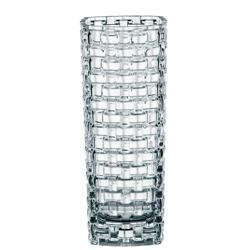
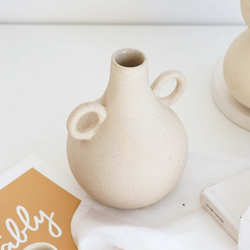
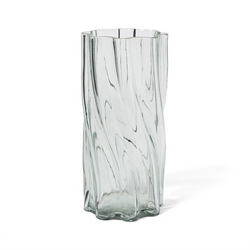
Small vases make room for flowers without asking for much space. A single stem on a bedside table, a few clipped blooms beside the kitchen sink or a loose grouping on a dining table can bring color and texture into everyday routines. Their modest scale suits apartments, narrow shelves and compact breakfast nooks, but it works just as well in larger rooms where a little detail helps a space feel finished. Unlike a tall arrangement that becomes the main feature of a table, a small vase can sit comfortably alongside plates, glasses and serving dishes. Low arrangements leave sightlines open, so guests can talk across the table without leaning around a bouquet. Several small vessels spaced along a longer table can create a relaxed centerpiece, while one carefully placed vase gives a place setting or side table a quieter accent. The shape matters as much as the height: a narrow opening supports a single flower or a few delicate stems, while a wider mouth gives a short, fuller arrangement room to spread. Rounded bodies, straight sides and gently flared rims each create a different outline, even before flowers are added. For a petite dining table, a compact base helps preserve space for the meal; on a shelf, a slightly broader silhouette can provide balance beside books or framed photographs. Small flower vases also make good use of the last few healthy stems from a larger bouquet. A short flower head that might disappear in a tall vessel can become the focal point in a smaller one. The result does not need to look formal or carefully arranged. A curved stem, a sprig of greenery or a few blooms at different heights can give the display a natural sense of movement. For households that enjoy fresh flowers but prefer a lighter touch, these smaller arrangements offer an easy way to bring them into more than one room.
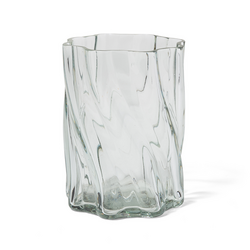
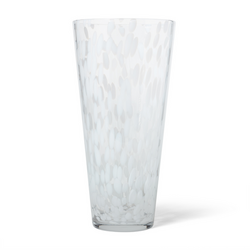
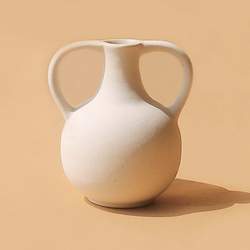
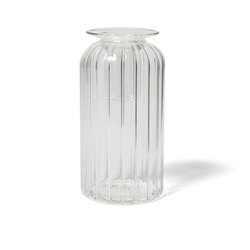
Material and finish influence both the look of a small vase and how it fits into daily use. Clear glass keeps the arrangement visually light and lets the stems become part of the display, making it a natural companion to glassware and simple table settings. Colored or textured glass can add interest without relying on a large bouquet, while opaque ceramic gives flowers a more defined backdrop and keeps stems out of view. Porcelain often has a refined appearance, while stoneware can bring a more substantial, earthy presence to a tabletop. A glossy glaze catches light differently from a matte surface, and subtle variations in texture can make a plain shape feel distinctive. Those differences are worth considering alongside the room’s existing finishes rather than treating a vase as an isolated accent. Smooth glass might echo nearby drinkware; a softly textured ceramic surface might complement linen napkins or a wooden table. Practical details deserve equal attention. A vessel intended for fresh flowers needs to hold water, but not every decorative vase is watertight. Material alone does not establish that suitability, so the maker’s description and care directions matter, especially for porous bodies or unusual finishes. A stable base is useful wherever a vase might be brushed by a sleeve, and a heavier bottom can help balance taller stems. Even so, an oversized branch may be too top-heavy for a petite vessel. Openings also affect upkeep: a wider neck is generally easier to reach for cleaning, while a narrow neck may require a slim, soft brush. Fresh water and a clean interior help keep flower arrangements looking their best, and prompt rinsing can make residue easier to remove. Cleaning methods should suit the particular material and finish; dishwasher use should never be assumed. Gentle handling helps protect thin rims, delicate details and glazed surfaces from chips. On wood furniture or other moisture-sensitive surfaces, a suitable protective layer beneath the vase can help guard against drips during watering or changes.
Choosing small vases is also a matter of deciding how they will live with the rest of a home. A simple silhouette in a neutral color can move easily from a dining table to a dresser, while a more expressive shape can serve as a decorative object even when empty. For a coordinated tabletop, repeating a material or color from the dinnerware gives the arrangement a clear connection to the meal without requiring an exact match. A looser grouping can feel equally considered when the vessels share one feature, such as similar proportions or a related finish. Differences in height provide variety, but the overall arrangement still needs enough breathing room to keep the surface useful. On a working kitchen counter, one compact vase placed away from food preparation may be more practical than a cluster. On a mantel or console, a small vessel can sit beside a larger object to create contrast without making the display feel crowded. Households with curious pets or young children may prefer a sturdy shape in a protected location, and any flowers brought home should be appropriate for the people and animals sharing the space. For broader decorating needs,
interior vases offer another way to consider proportion and style across different rooms. A small vase can also be a thoughtful gift for a host, a new neighbor or someone settling into a first home. Its usefulness does not depend on having a large dining room or an elaborate flower-arranging routine. A recipient who enjoys a farmers market bouquet might appreciate a shape that accommodates a handful of stems, while someone with limited shelf space may get more use from a compact, understated design. When the recipient’s taste is unfamiliar, simple lines and an easy-to-place color leave room for personal styling. Given with a few thoughtfully chosen flowers or on its own, a small vase offers an everyday place for something beautiful without requiring a major change to the room.