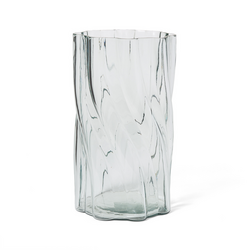
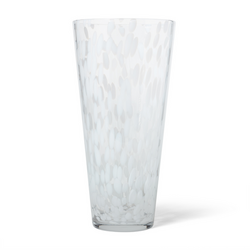
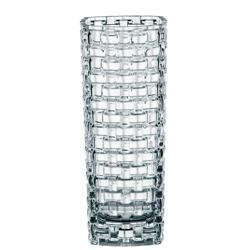
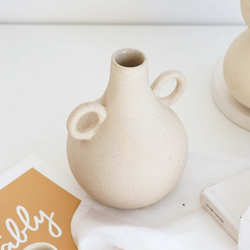
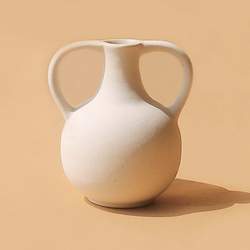
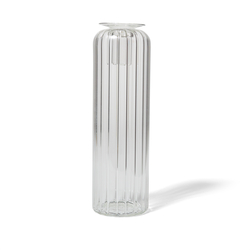
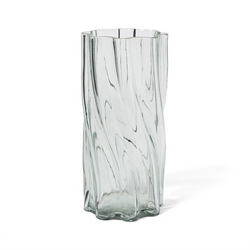
Spring flower vases are decorative vessels for displaying seasonal blooms, with glass, ceramic and porcelain offering different ways to frame tulips, daffodils, hyacinths and flowering branches. Their shape matters as much as their color: a narrow opening gathers a few stems into a loose cluster, while a wider mouth gives a mixed bouquet room to spread. Bud vases suit small blossoms and the last few stems from a larger arrangement, making them useful for a bedside table, a bathroom shelf or a place setting. Taller vases lend support to long stems and branches, although a broad, stable base is important when an arrangement carries weight above the rim. Tulips have a naturally relaxed habit and continue to grow and bend after cutting, so a vase that leaves room for their movement can make the arrangement feel especially lively. Shorter, rounded shapes work well for compact bunches on a breakfast table, where flowers should add interest without blocking the person sitting across from them. For a dining centerpiece, the height of the filled vase matters more than the empty vessel’s dimensions. A low arrangement lets conversation move easily across the table, while several small vases can leave space between flowers for serving dishes. The opening also affects how many stems a display needs. A generous bouquet may look balanced in a broad vessel but feel crowded in a narrow neck, while a few delicate stems can disappear inside an oversized opening. Matching the vase to the flowers makes even a simple bunch feel considered. A handful of daisies, a curved tulip stem or a single flowering branch can be enough when the proportions work. Spring flower vases can also stand on their own between bouquets, bringing a soft color, an interesting silhouette or a subtle floral detail to a sideboard without requiring a permanent arrangement.
Material helps determine both the appearance of a spring vase and how it fits into everyday use. Clear glass keeps the focus on the whole arrangement, including the lines of the stems beneath the flowers. It also makes the water level easy to check, a useful detail for thirsty cut blooms. Colored glass changes that effect, adding a tint that can echo the flowers or contrast with them without introducing a busy pattern. Ceramic and porcelain vases conceal stems and create a more solid backdrop, which can be especially appealing with loosely gathered flowers. A smooth white surface gives pale blossoms a quiet setting, while a textured finish adds interest beside simple dinnerware or natural wood. Glaze, construction and the maker’s care instructions are important considerations for any vessel intended to hold water. Not every decorative ceramic vase is watertight, and an unglazed interior may absorb moisture; a suitable waterproof liner may be necessary when the design calls for one. A dry exterior and a protective surface beneath the vase help safeguard furniture, particularly on wood finishes that can mark after prolonged contact with moisture. Weight and durability deserve attention, too. A substantial base can improve stability, but glass and ceramic can still chip or break if knocked against a faucet or countertop. Slim necks may take more care to clean than wide openings, so ease of access matters for anyone who changes flowers frequently. Fresh water and a clean interior help keep arrangements looking their best, and residue is easier to remove before it dries. For many decorative vases, gentle hand-washing with mild soap and a soft brush is a sensible approach, provided it follows the manufacturer’s directions. Dishwasher use should be reserved for pieces specifically identified as dishwasher safe. Painted details, metallic accents and delicate surface finishes may need extra care, while abrasive cleaners can scratch glass or dull a decorative finish.
The most useful spring flower vase is one that feels at home with the space around it and the flowers it will hold. In a kitchen, a modest footprint leaves room for meal preparation and makes a small bunch easy to move when the counter is needed. On an entry table, a taller silhouette can give branches room to arch without competing with serving pieces or everyday essentials. Narrow shelves call for particular attention to base depth and balance, especially where a passing sleeve or an opening cabinet door could catch the arrangement. A vase used near food is often best paired with lightly scented flowers, keeping strong fragrances from competing with a meal. Color offers another way to connect flowers with a room. Soft green, blush, pale blue and warm white can echo familiar spring blooms, while a clear or neutral vase works across many flower colors and table settings. Floral patterns and sculptural details can make the vessel a focal point; simpler shapes give the bouquet more visual attention. Neither approach needs an elaborate display. A patterned vase with a few plain stems can feel balanced, just as a simple vessel can support a fuller mix of blossoms and foliage. For anyone building a small collection, different heights and opening widths are often more useful than several vases with the same proportions. That variety accommodates everything from a few garden cuttings to a generous gift bouquet. Spring flower vases also make thoughtful housewarming, birthday or thank-you gifts, particularly for someone who enjoys flowers, hosting or setting a welcoming table. A versatile shape and manageable size help the recipient use the vase beyond a single occasion, and easy care makes it more likely to become part of a regular routine. For more vessel shapes suited to both simple stems and fuller bouquets, explore
Flower Arranging Vases. The lasting appeal comes from that flexibility: a well-chosen vase can hold a small spring arrangement beautifully, then remain useful for many bouquets to come.