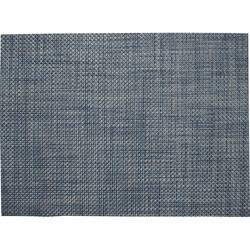
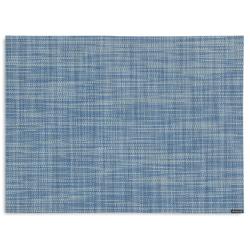
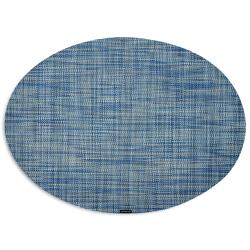
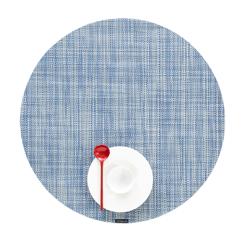
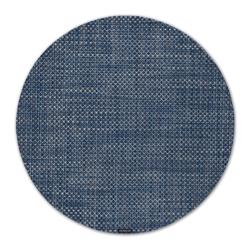
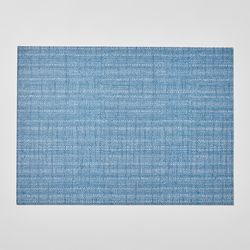
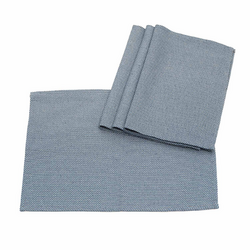
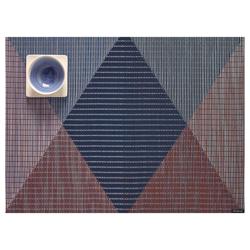
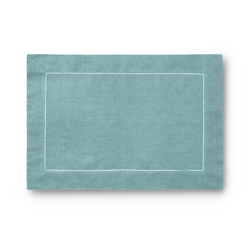
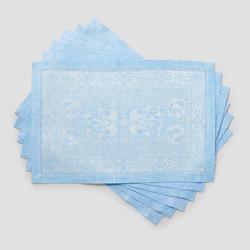
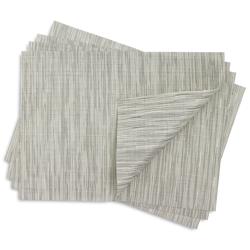
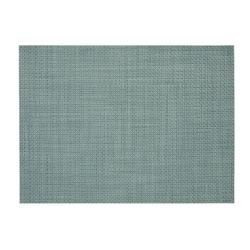
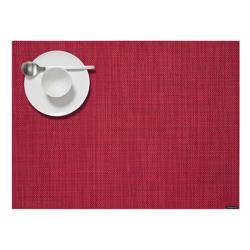
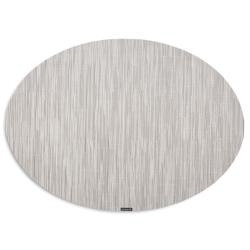
Soft blue placemats for everyday use bring a gentle touch of color to the table while helping define each place setting and catch ordinary crumbs and drips. Cotton and linen offer a soft, fabric feel, while vinyl and other wipe-clean materials can make daily cleanup simpler. The best choice depends on how you eat, how much room you have and whether you prefer wiping a surface or laundering table linens. A pale blue background gives white dinnerware a little contrast without competing with patterned plates, colorful food or a favorite serving bowl. It also works comfortably with natural wood, clear glass and stainless steel flatware, making it easy to keep the pieces you already use. Blue with a gray undertone feels understated alongside charcoal napkins or stoneware; a clearer, powdery blue looks fresh with ivory dishes and simple glass tumblers. Texture adds another layer of interest without requiring a busy pattern. A heathered weave can soften the appearance of a solid color, while a smooth finish creates a more uniform backdrop. For an everyday table, that flexibility matters more than having every accessory match. Breakfast might be toast and coffee at the kitchen counter, lunch a sandwich between meetings and dinner a shared meal with several serving dishes in the middle. Placemats give each of those meals a defined spot without covering the entire tabletop. They are also easy to remove when the table needs to become a homework station or a place to spread out a project. A soft blue palette can carry through all those uses without making the room feel dressed for a special occasion. For anyone who likes a coordinated table with minimal effort, repeating the same quiet color at each seat is a straightforward place to start.
Material and construction make a noticeable difference in how placemats handle frequent use. Cotton is a comfortable choice for a relaxed table, with a familiar softness that pairs naturally with cloth napkins. Many cotton placemats are machine washable, but the care label determines the right wash cycle and drying method, and some fabrics may shrink or need reshaping. Linen has a more visibly textured surface and often develops a relaxed, lightly wrinkled look after washing. That character suits casual dining, though anyone who prefers a crisp finish should consider the ironing involved. Fabric blends vary in feel and performance, so fiber content alone does not tell the whole story. Check whether a placemat has a backing, lining or care restrictions before deciding how it will fit into your routine. Vinyl and other materials labeled wipe clean can be practical for frequent meals, especially when spills are part of the picture. A damp cloth may be all that is needed for routine cleanup, with mild soap used when the manufacturer's instructions allow it. Wipeable does not mean absorbent or waterproof: an open weave can let liquids reach the table, and even a solid surface should not be assumed to stop every spill at its edges. Lift the mat after meals and clean and dry the tabletop beneath it. On pale blue fabric, coffee, tomato sauce and oily dressings deserve prompt attention; blot rather than rub and follow the recommended stain treatment. For durability, look for secure hems, evenly finished edges and a surface that lies flat. Consider the underside as well, particularly on a delicate tabletop where a rough backing or trapped crumbs could cause scratches. Placemats are useful for everyday dining, but they are not substitutes for trivets beneath hot cookware. Any heat-resistance claims should be checked against the manufacturer's guidance rather than inferred from thickness or appearance.
Fit is just as important as fabric when choosing everyday placemats. Start with the dishes you reach for most often, not only the measurements of the table. A mat should comfortably accommodate the dinner plate and leave useful space for flatware without crowding the person beside you. If you regularly use oversized plates or wide, shallow bowls, compare their footprint with the placemat's dimensions before choosing a size. Think about where drinking glasses will sit, too; a separate coaster can be helpful when the glass falls outside the mat. Rectangular placemats offer a familiar layout on rectangular tables and counters, while round or oval shapes can work well where corners would otherwise overlap. On a small round table, test the arrangement with paper cut to the listed dimensions to see how much room remains for a serving bowl or water pitcher. The goal is a comfortable meal, not a tabletop filled edge to edge. Storage deserves a little thought as well. Fabric mats can often be stacked in a drawer, while more structured materials may need to stay flat to avoid curled edges or lasting creases. Follow the care instructions before folding or rolling them. For households that eat most meals at home, an extra set can keep the table ready while fabric mats are being washed or spills are being cleaned. Soft blue also makes a thoughtful choice for a housewarming gift or someone setting up a first kitchen, particularly when their dinnerware is white or neutral and their preferred care routine is known. Pairing the color with simple napkins leaves plenty of room for personal taste. If your table leans toward clean lines and understated details,
Modern Blue Table Placemats offer a related direction to explore. Whether the setting is a breakfast nook, an apartment dining table or a busy family kitchen, a well-chosen placemat should feel easy to live with: sized for the space, comfortable beneath everyday dishes and manageable to clean before the next meal.