-
(13)
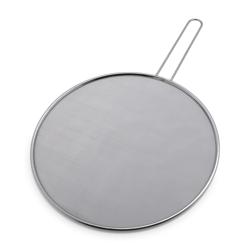
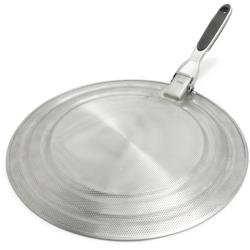
A silver stainless steel splatter screen that protects stovetops from grease and oil splatter.
Pros: quality, easy to clean, coverage
-
(39)
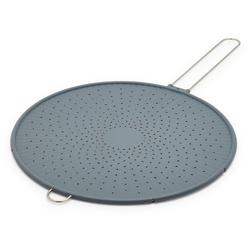
A gray silicone splatter screen with a long stainless steel handle to protect your stovetop.
Pros: easy to clean, dishwasher safe, durable
-
(28)
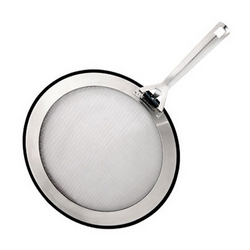
A folding splatter screen made of perforated stainless steel to keep your stove and countertops clean.
Pros: easy to clean, sturdy, foldable handle
-
(19)
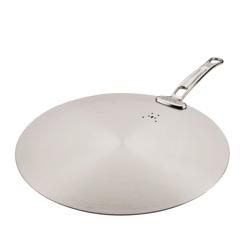
A stainless steel splatter guard with a folding handle to keep counters and stovetops clean.
Pros: effective, well made, foldable handle
-
(2)
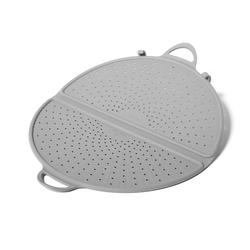
A gray silicone splatter guard with venting holes that folds for easy ingredient access and storage.
Pros: folds
Splatter Screens
A splatter screen, also known as a grease guard or splatter guard, is a kitchen tool used to prevent hot oil or liquid from splattering while cooking. It is a flat, circular screen made of fine mesh that is placed over a pot or a pan, with a handle on top for easy handling. When cooking with hot oil or liquid, such as frying, sautéing, or simmering, the heat can cause the liquid to splash out of the pot, creating a mess and potentially causing burns. A splatter screen is an essential tool for any home cook, as it keeps the kitchen clean and helps prevent any potential kitchen accidents.
Splatter Screens
FAQ List
A splatter screen is a kitchen tool designed to prevent grease and other cooking liquids from splattering onto your stovetop or countertops while you cook.
When shopping for a splatter screen, you'll want to consider the size of the screen, the materials it's made from, and the design of the screen.
Using a splatter screen can help keep your kitchen clean, ensure that your food is cooked evenly, and prevent grease and other cooking liquids from splattering onto your stovetop or countertops.
Anyone who enjoys cooking with high heat or who likes to cook foods that tend to splatter, such as bacon or fried chicken, could benefit from using a splatter screen. They are also great for people who are concerned about the cleanliness of their kitchen.
Yes, most splatter screens are easy to clean. Look for screens that are made from high-quality materials that are durable and easy to wipe clean.


-
"Works great! Love it. Is easy to use"
-
"Really great and so easy to use and cleans easiky too"
-
"Love the fold down handle"
-
"They work great"
-
"Great Product"