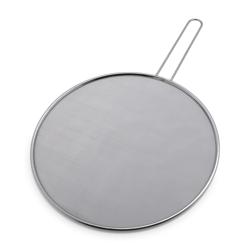
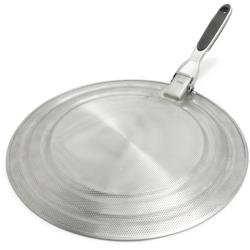
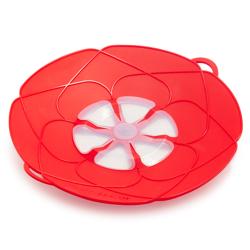
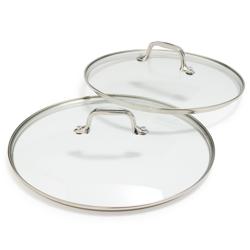
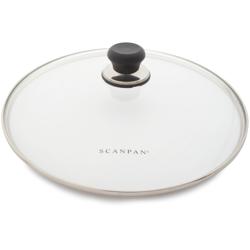
Kitchen splatter guards are vented covers that help contain droplets of hot oil, butter and cooking juices while allowing steam to escape. For spring cooking, that means less spatter around the stove when asparagus hits a hot skillet, salmon sizzles skin-side down or chicken browns for a lemony pan sauce. Even meals built around tender vegetables and fresh herbs can leave a surprising amount of cleanup behind, especially when moisture meets heated fat. A splatter guard creates a practical barrier over the pan without closing it off like a solid lid. That distinction matters for foods that benefit from browning rather than steaming, from crisp potato cakes for brunch to golden cutlets served with a green salad. It also makes these tools useful for everyday cooking beyond any single menu. The right guard can help keep nearby counters and the cooktop cleaner, although it cannot catch every droplet or replace careful handling around hot cookware. Its appeal is straightforward: a little less wiping after dinner and a more manageable cooking area while the meal comes together. Spring gatherings often involve several dishes sharing the stove, with vegetables sautéing beside a gently bubbling sauce. A guard suited to each pan helps contain some of the mess without requiring a tightly fitted lid. For cooks who like to keep dinner simple, it is an easy addition to the familiar rhythm of heating a skillet, adding ingredients and checking their progress. For enthusiastic hosts, it can make the stretch between cooking and serving feel less cluttered. The most useful choice is not necessarily the largest or the most elaborate. It is the one that sits securely on the cookware used most often, leaves the handle comfortably accessible and is easy enough to clean that reaching for it becomes second nature. That everyday usefulness is what gives a splatter guard a lasting place among spring kitchen essentials.
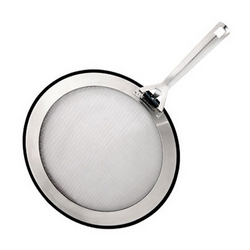
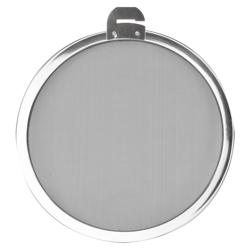
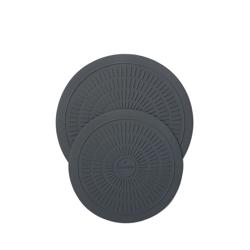
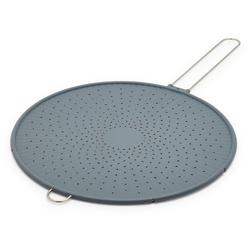
Materials influence how a splatter guard feels, performs and holds up to repeated use. Fine stainless steel mesh offers an open screen through which steam can pass, with a slim profile that can be convenient for hanging or sliding into a narrow storage space. Mesh density, the strength of the outer rim and the way the handle attaches all deserve attention. A sturdy frame helps the screen retain its shape, while a secure handle connection matters when the guard is lifted repeatedly to turn food or stir a sauce. Perforated silicone designs offer a different construction, sometimes paired with a supporting frame, and may feel more flexible during handling and cleanup. Their heat limits and permitted uses depend on the individual design, so material alone should never be treated as permission to place a guard in an oven or expose it to direct flame. Neither a coated handle nor a silicone surface should be assumed to stay cool throughout cooking. Fit is just as important as material. A guard needs to cover the pan’s opening and rest securely on its rim; an undersized screen leaves gaps, while an oversized one may crowd neighboring cookware or interfere with another burner. The pan’s stated size and its actual rim dimensions are worth comparing with the guard’s measurements. Handle placement also affects comfort, particularly on a busy stovetop where skillet handles, utensils and pot lids already compete for room. For a small sauté pan used for peas and shallots, a manageable size may be more helpful than extra coverage intended for a much wider skillet. For shallow frying or browning several portions at once, broader coverage may make more sense. The intended cooking task should lead the choice. These are tools for reducing splatter, not sealed lids, pressure-cooking accessories or a substitute for adjusting excessive heat. A well-matched guard supports the way a pan is meant to cook while making the surrounding workspace easier to maintain.
Care and storage make a noticeable difference in how useful a splatter guard remains over time. Fine mesh can collect oil around its edges and between its wires, so prompt cleaning after the guard has cooled helps keep residue from building up. Gentle washing with an appropriate brush can reach areas a flat sponge misses, while thorough rinsing and drying help leave the screen ready for another meal. Dishwasher suitability varies by construction, including the handle and any bonded components, so the care instructions matter even when the main material seems familiar. Silicone surfaces also need attention around perforations, seams and supporting rims, where cooking oils can linger. Abrasive cleaning methods may damage some finishes or components, and forcing a screen into an overcrowded drawer can bend the mesh or distort its frame. Durability is therefore partly about construction and partly about having a sensible place to put the tool. A hanging loop, flat shape or folding handle may be useful when cabinet space is limited, provided the design still feels stable in use. For kitchens where every inch of storage counts,
Splatter Guards For Small Kitchens offers a more focused place to consider space-conscious options. A guard that is easy to retrieve and put away is more likely to earn regular use than one buried beneath baking sheets. That practicality also makes the category worth considering for a housewarming gift, a newly shared kitchen or a spring host who enjoys cooking for friends. It is a thoughtful match for someone who regularly sears fish, sautés vegetables or makes skillet breakfasts, especially when the cookware size is already known. Paired with the cook’s habits rather than chosen for appearance alone, a splatter guard can be a genuinely helpful addition. From a quick asparagus supper to a leisurely spring brunch, its role stays pleasantly simple: help contain the splatter so there is less to tackle after the food reaches the table.