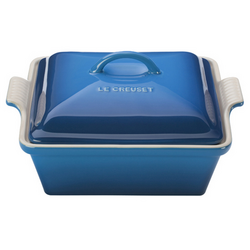
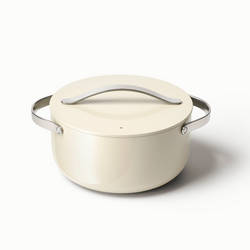
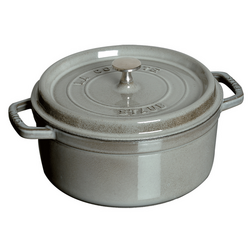
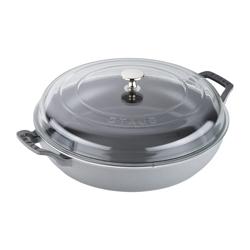
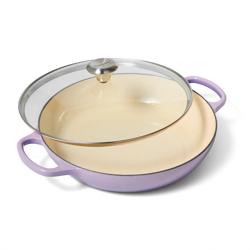
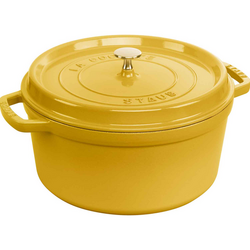
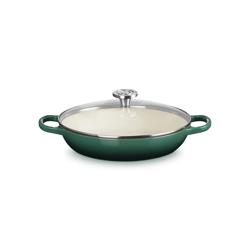
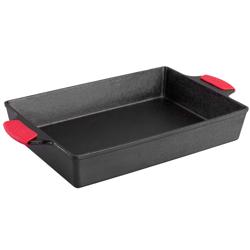
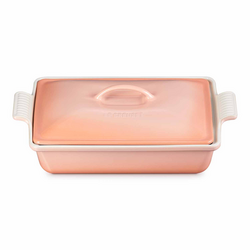
Spring casseroles pair familiar baked dishes with ingredients such as asparagus, peas, leeks, spinach and artichokes. Tender vegetables, fresh herbs and a little lemon can bring brightness to a creamy chicken bake, a layered pasta dish or a rice casserole. Casserole dishes give these meals room to cook together, with enough surface area for a golden topping and enough depth to hold sauce without crowding the rim. For a spring brunch, that might mean an egg bake with asparagus and goat cheese, its edges lightly browned and its center just set. For dinner, it could be chicken and noodles with peas and dill, or a spinach and rice casserole finished with tangy feta. The appeal is practical as much as it is seasonal: a single baking dish can carry a main course from the oven to the table, keeping serving straightforward and the meal centered on something homemade. Spring casserole bakeware suits cooks preparing everyday family dinners, vegetarian mains, shared brunches or a side dish for a gathering. A broad, shallow dish gives a breadcrumb or cheese topping more space to brown, while a deeper shape accommodates layered vegetables, pasta and sauce. Those differences matter even with similar ingredients. A creamy artichoke filling spread thinly develops a different balance of crisp edges and soft center than the same filling baked in a deeper vessel. Color and finish also have a place at the table. A simple neutral dish lets green vegetables and golden pastry stand out, while a colorful exterior can become part of a relaxed table setting. The most useful choice brings those details together: a shape that suits the meal, a size that fits the household and a finish that feels equally comfortable at a casual supper or a special brunch.
Materials help determine how a casserole dish feels in use, how it holds heat and how it should be cared for. Ceramic bakeware, including stoneware and porcelain, is often chosen for its oven-to-table appeal and ability to retain heat after baking. A substantial dish can help keep a vegetable gratin or baked pasta warm while everyone settles in, though its weight becomes more noticeable once it is filled. Glazed interiors generally make it easier to release food and loosen baked-on sauce, but utensils and cleaning methods still need to suit the finish. Glass offers a clear view of browning along the sides and bottom, which is useful for checking the edges of an egg casserole or a layered bake. Metal bakeware generally responds more quickly to changes in oven temperature, although its performance depends on the material, thickness and finish. Enameled cast iron brings considerable weight and heat retention; whether it can also be used on a stovetop depends on its construction and the manufacturer’s instructions. Beyond material, dimensions deserve as much attention as capacity. Two dishes that hold the same volume may have very different proportions, affecting the depth of the filling, the amount of exposed topping and the baking time. A recipe intended for a 9-by-13-inch dish is not necessarily a good fit for a smaller, deeper casserole, even if the mixture fits inside. Space above the filling matters when sauces bubble or an egg mixture rises. Handles are another everyday consideration, especially when moving a hot, full dish with oven mitts. Broad grips can feel more secure, but they also add to the overall footprint in the oven, cabinet and dishwasher. A lid can be helpful for recipes that begin covered or for holding food before serving, provided its temperature rating matches the intended use. Broiler safety, freezer compatibility and microwave suitability are separate features rather than assumptions that apply to every casserole dish.
A well-chosen casserole dish earns its place through repeated use, from a small spinach bake for two to a generous chicken and spring vegetable casserole for a shared meal. Smaller households may appreciate a compact shape that leaves manageable leftovers, while cooks who often host may prefer a larger dish with comfortable handles and room for serving utensils. Storage matters, too: a beautiful piece is easier to use often when it fits on a familiar shelf without awkward stacking. For someone building a kitchen, casserole bakeware can make a thoughtful housewarming or wedding gift, particularly when its size reflects how that person cooks and eats. An experienced host may value presentation and heat retention, while a newer cook may care most about manageable weight, clear care instructions and straightforward cleanup. Durability depends on both construction and everyday handling. Ceramic and glass bakeware can be vulnerable to sudden temperature changes, so refrigerator-to-oven use should never be assumed safe. A hot dish generally needs a dry, heat-resistant resting place rather than a cold or wet surface. Frozen-food reheating, oven preheating requirements and maximum temperatures should follow the manufacturer’s directions. For cleanup, allowing the dish to cool before washing helps protect the material, and soaking can soften a stubborn ring of baked cheese or béchamel without aggressive scrubbing. Dishwasher-safe labeling is useful, but any restrictions for the glaze, coating or lid still apply. These considerations extend well beyond a single menu. A dish used for asparagus strata or lemony chicken and rice can also suit baked pasta, roasted vegetables and other meals throughout the year. For bakeware suited to heartier recipes,
Winter Casserole Dishes offers a related collection to explore. Spring casseroles have their own character, with green vegetables, tender fillings and fresh herbs bringing variety to familiar oven-baked meals. The right bakeware supports that balance while remaining practical enough to reach for whenever a casserole belongs on the table.