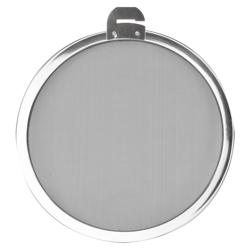
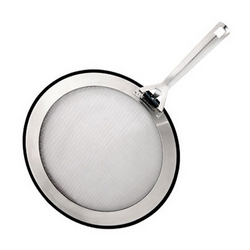
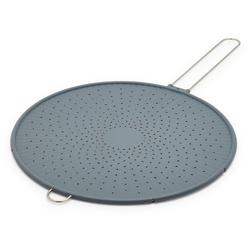
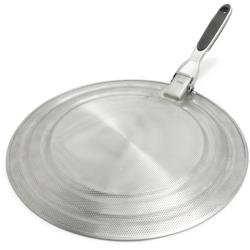
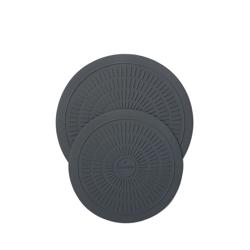
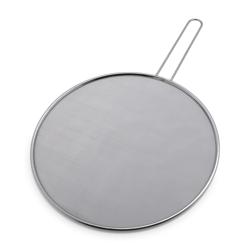
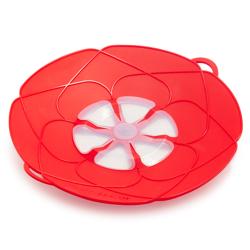
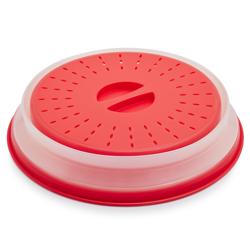
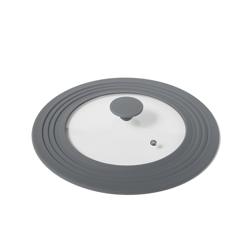
Splatter guards for small kitchens help contain escaping oil while keeping the cooking area easier to use and clean. The most useful designs balance pan coverage with a compact storage footprint: fine mesh screens let steam escape, perforated silicone guards provide a flexible barrier and folding shields help protect nearby surfaces. A folding handle, hanging loop or flat profile can make a difference when drawer and cabinet space are limited. In a compact kitchen, a skillet of sizzling mushrooms may sit just inches from a utensil crock, a backsplash or the counter used for chopping vegetables. A well-fitting guard helps reduce the droplets that reach those surrounding surfaces, leaving less grease to wipe away after dinner. Unlike a solid lid, a vented screen allows moisture to escape, making it useful for foods that need to brown rather than steam. It will not eliminate every splash, but it can make everyday tasks such as frying eggs, searing chicken or cooking burgers less messy. Different shapes suit different cooking habits. A flat screen rests across the pan opening and lifts away when food needs turning. A raised, open-center silicone design can leave room for utensils while helping contain splashes around the sides, depending on its shape and fit. A freestanding folding shield sits behind or beside the cookware to intercept droplets headed toward nearby surfaces, though it does not cover the pan itself. For a narrow cooktop, the space around the pan matters almost as much as the pan diameter. An oversized screen or a shield with a wide base can interfere with neighboring cookware, while a long, rigid handle may take up an entire drawer. Compactness is not simply about choosing the smallest guard; it is about finding a design that covers the cooking area properly, leaves necessary clearance and has a practical place to go when the burner is off.
Fit determines how comfortably a splatter guard works with the cookware already in your kitchen. The diameter listed for a frying pan does not always describe the exact surface where a screen will rest, especially with flared sides, pouring spouts or a broad rim. Checking the guard’s stated dimensions and compatible pan sizes helps avoid a screen that slips into the pan or extends awkwardly over the edges. A guard should sit securely without requiring a hand to hold it in place. When several burners are in use, its handle and outer edge should also leave room for neighboring pots and their handles. Materials bring different advantages to this close-fitting setup. Stainless steel mesh is thin and generally easy to slide into a vertical organizer, and a sturdy frame helps it retain its shape through repeated use. Fine mesh can intercept small droplets while allowing steam through, although grease buildup can clog the openings and affect performance. Perforated silicone offers flexibility, but its heat rating, rigidity and intended placement vary by design. Some silicone guards have a reinforced edge for support; others are shaped to fit within a compatible pan rather than across its top. Neither the material nor its appearance alone establishes whether a guard can touch cookware, tolerate oven heat or serve another purpose. Manufacturer instructions should confirm those uses. Handle construction deserves attention, too: a folding joint saves storage space only if it locks securely for use, and a comfortable grip makes lifting a screen less awkward. Handles can become hot, even when they sit away from the center of the pan. For recipes that require frequent stirring or turning, easy access matters more than complete coverage. A screen that lifts cleanly leaves room to turn a cutlet with tongs, while an open-center design may allow stirring without removal. Any guard should remain clear of exposed flames and should not obstruct the cooktop’s ventilation or controls.
Easy care helps a space-saving splatter guard remain useful rather than becoming another greasy tool waiting beside the sink. Cooking oil can collect along a screen’s rim, inside fine mesh and around folding hinges, so accessible edges and straightforward construction are worth considering. Many guards can be cleaned with warm water, dish soap and a soft brush, while dishwasher suitability depends on the material and manufacturer’s instructions. Dishwasher-safe construction can be convenient, but it does not always eliminate the need to loosen stubborn residue before washing. Let the guard cool before cleaning, rinse away soap thoroughly and allow it to dry completely before storing or returning it to use over hot oil. Gentle cleaning also helps protect fine mesh from snags and silicone from cuts or surface damage. Over time, a warped frame, loose handle or damaged screen can make a guard harder to position securely, so durability includes the strength of the rim and moving parts as well as the screening surface. Storage is especially important in an apartment kitchen, a shared cooking space or a home with shallow drawers. A flat screen may fit alongside baking sheets, a folding handle may make a utensil drawer workable and a hanging loop can keep a frequently used guard within reach. Flexible designs should be folded or rolled only when the manufacturer permits it, rather than forced into a smaller space. These practical details make splatter guards useful for new apartment dwellers, frequent stovetop cooks and anyone who would rather spend less time wiping grease from nearby counters. They can also make a thoughtful kitchen gift when the recipient’s pan sizes and storage setup are known. For complementary tools that support tidier stovetop cooking, explore
Kitchen Aids For Splatter Prone Cooks. A guard that suits the pan, cleans without fuss and stores close at hand is more likely to become part of the everyday routine, whether dinner is a single fried egg or several batches of browned vegetables.