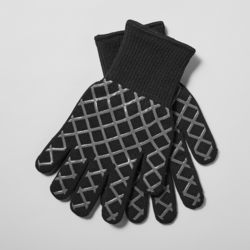
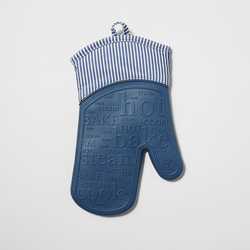
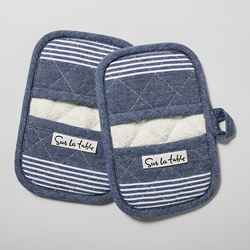
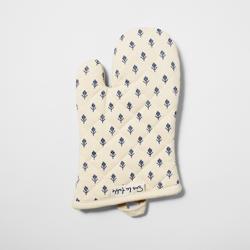
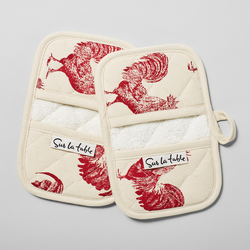
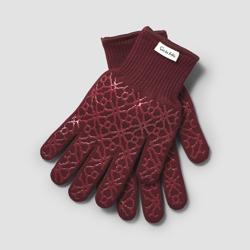
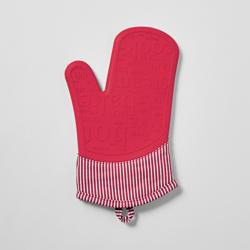
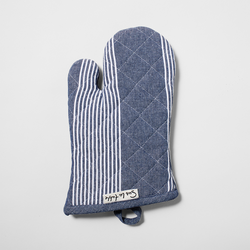
Spring oven mitts combine heat protection for handling hot cookware with colors and patterns inspired by the season, including florals, leafy botanicals, soft pastels and cheerful checks. They bring a decorative touch to a kitchen essential that earns its place beside the oven, whether the menu includes a lemon loaf, a vegetable tart or a pan of roasted asparagus. Unlike purely decorative kitchen linens, an oven mitt needs to feel comfortable and secure when there is a hot baking dish in hand. Pattern and color may catch the eye first, but coverage, grip and construction matter just as much. A floral print can sit comfortably alongside everyday white dish towels, while pale green, yellow or blue can pick up a color already present in dinnerware or an apron. Small-scale patterns tend to blend easily with other textiles; larger blooms make more of a statement on a kitchen hook. Spring designs do not need to be reserved for a special meal, either. A botanical motif can feel at home through everyday baking, weekend breakfasts and family dinners, giving a useful tool a little more personality. For a bolder accent,
Red Oven Mitts work well with gingham, white linens and floral kitchen textiles. Coordinating every piece is not necessary: repeating one color across an oven mitt, a towel and a tablecloth can make the room feel thoughtfully pulled together without looking overly matched. These seasonal details are especially appealing in kitchens where practical tools stay within sight. A well-chosen mitt can contribute to the room while remaining ready for the less decorative work of lifting a bubbling casserole or sliding a sheet of cookies onto a cooling rack. The most useful choice feels just as appropriate for an ordinary supper as it does for a carefully planned spring brunch.
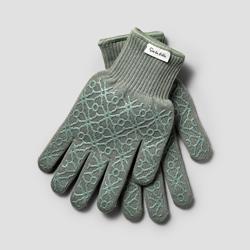
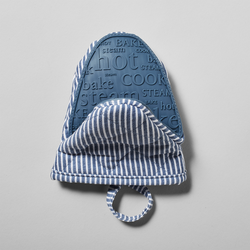
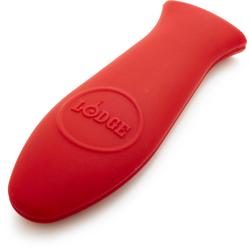
Materials influence how an oven mitt feels, bends and grips, so the construction deserves attention alongside the print. Cotton is common in fabric oven mitts, often paired with insulating layers and a lining that cushions the hand. Quilting helps hold those layers together, although thickness alone does not establish how much heat a mitt can handle. Silicone, whether used as the outer gripping surface or as accents on fabric, can provide traction against smooth handles and the edges of baking pans. Fabric offers a familiar, flexible feel, while silicone surfaces may be easier to wipe clean after a small splash. Neither material tells the whole story: heat resistance depends on the complete construction, and the manufacturer’s stated limits and intended uses should guide handling. A mitt meant for ordinary oven tasks should not automatically be treated as suitable for grilling, direct flame or prolonged contact with very hot cookware. Fit is equally important. There should be enough room to slide a hand inside comfortably and bend the fingers around a handle without the mitt twisting or bunching. Excess fabric at the fingertips can make it harder to judge where a pan’s edge begins, while a tight opening can make the mitt awkward to put on quickly. Longer cuffs offer more coverage near the wrist and forearm, which can be helpful when reaching toward the back of an oven. Shorter shapes may feel less bulky for accessible handles but leave more skin exposed. The right balance depends on the cook, the cookware and the task. A broad roasting pan or a heavy baking dish generally calls for a secure hold with both hands and a mitt on each hand. Seams, flexible thumb placement and a comfortable lining all become noticeable in that moment. A hanging loop is another practical detail, making it easier to keep dry mitts within reach on a hook safely away from burners and other heat sources.
Care and durability help determine whether spring oven mitts remain useful beyond their first few baking projects. Cooking leaves traces, from a dusting of flour to a spot of tomato sauce, so a care routine that fits the household matters. Some fabric mitts can go in the washing machine, while others require spot cleaning or different treatment because of their insulation, trim or gripping surfaces. Silicone sections may wipe clean, but attached fabric can have separate care requirements. Following the care label helps protect the shape, stitching and performance of the whole mitt rather than just its outer layer. Mitts should be completely dry before handling hot cookware, since moisture can transfer heat quickly and increase the risk of burns. A damp mitt is not a substitute for a dry one, even for a brief lift. Regular use also makes it worth checking the palm, thumb and seams for thinning, tears or damaged gripping areas. Flattened insulation, exposed inner layers and scorch damage are reasons to replace a mitt rather than continue using it for its appearance. Keeping a clean, dry pair ready is particularly useful for cooks who move between baking, roasting and washing up during the same meal. For gifting, spring oven mitts offer a practical option for a home baker, a frequent host or someone settling into a new kitchen. A floral or botanical design can feel personal without requiring detailed knowledge of someone’s cookware collection, though hand size and preferences still matter. Paired with a coordinating kitchen towel or an apron, oven mitts make a thoughtful housewarming or host gift with a clear everyday purpose. Experienced cooks may appreciate dependable coverage and an easy-care finish just as much as someone building a first kitchen. The lasting appeal comes from that combination of usefulness and character: a comfortable tool for taking dinner out of the oven, with a pattern that makes it pleasant to leave on display.