-
(31)
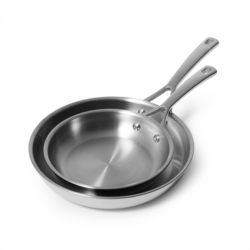
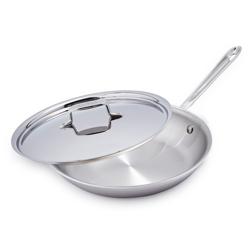
A 12.5" stainless steel frying pan with glass lid for even cooking and easy cleanup.
Pros: easy to clean, even heating, large size
-
(111)
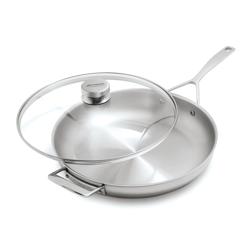
A 11" stainless steel frying pan with 7-ply material for optimal heat distribution and even cooking.
Pros: easy to clean, even heating, no rivets
-
(109)
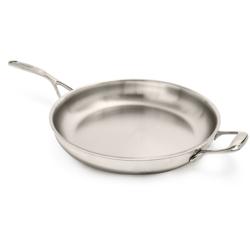
A sturdy 5-ply stainless steel skillet with excellent heat distribution, retention, and induction compatibility.
Pros: easy to clean, 5-ply construction, nonstick performance
-
(29)
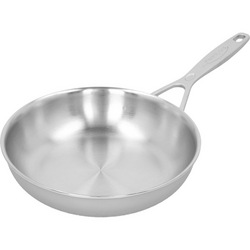
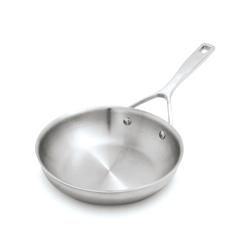
A versatile 8" stainless steel frying pan from Demeyere that conducts and maintains heat beautifully.
Pros: quality, easy to clean, even heating
-
(82)
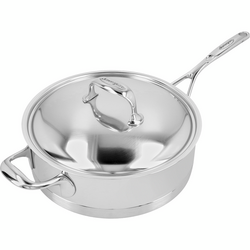
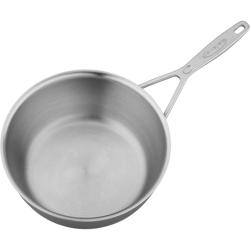
A 3.5-quart stainless steel essential pan with 5-ply construction, induction compatible, and ergonomic stay-cool handles.
Pros: versatility, quality, heat retention
-
(73)
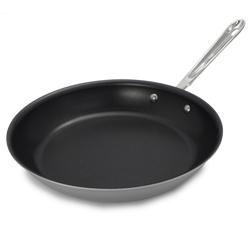
A 12" nonstick skillet with five-layer construction for precise control and exceptional heating performance.
Pros: durable, easy to clean, non-stick
-
(2)
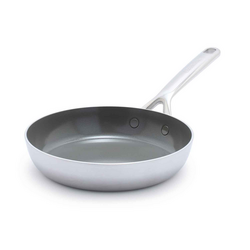
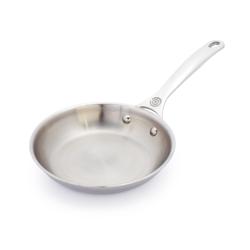
A 8" stainless steel skillet with rounded sides, stay-cool handles, and precision-pour rims for easy cooking.
Pros: good heat transmission, nice shape, works great
-
(1)
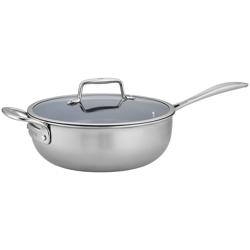
A 10" nonstick skillet with tri-ply construction, stay-cool handles, and precision-pour rims for easy cooking.
Pros: versatility, durability, nonstick coating
Stainless Steel Frying Pan
A good frying pan is a kitchen workhorse, whether you're searing steaks, sautéing onions, or scrambling eggs. It's also one of the most versatile pieces of cookware you can own. Stainless steel frying pans are an excellent choice for a variety of cooking tasks due to their durability and heat retention. Here are some great options.
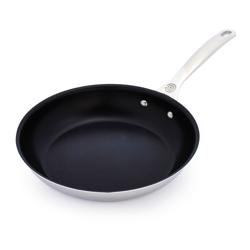
Stainless Steel Frying Pan
FAQ List
Stainless steel frying pans are durable, non-reactive and resistant to rust and staining. They provide even heat distribution, making them ideal for searing, browning and deglazing.
Most stainless steel frying pans are compatible with gas, electric and induction cooktops. Always check the manufacturer's details for specific compatibility.
Allow the pan to cool before washing. Use warm, soapy water and a soft sponge. For stubborn spots, a stainless steel cleaner or a paste of baking soda and water can help restore shine.
Seasoning is not required for stainless steel pans, but preheating the pan and adding oil before cooking can help minimize sticking.
Stainless steel frying pans are versatile and excel at searing meats, sautéing vegetables and making pan sauces. They're also great for browning and caramelizing food.
-
"Love both of these pans. Cook well, with easy clean up. Great pans"
-
"Hands down the best cookware you will find. The 7 plys create such a quick and even heat"
-
"I love the gold handle accent. Ecstatic with my new pans. Recommended as a top choice by Ai"
-
"Size and nonstick coating are the best. I use it for everything"
-
"Wirecutter (NYT) is my go to review site, and they have chosen it as Best Skillet for several years now"