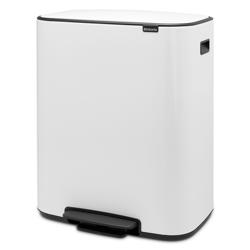
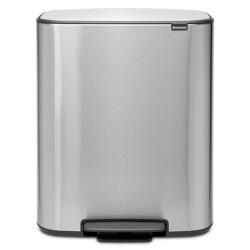
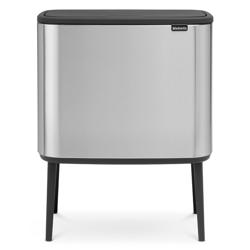
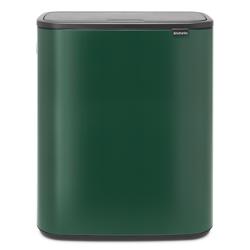
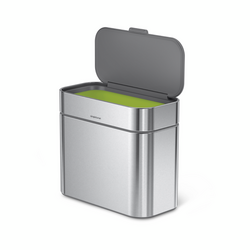
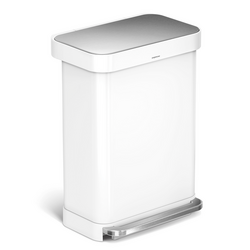
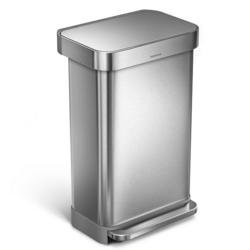
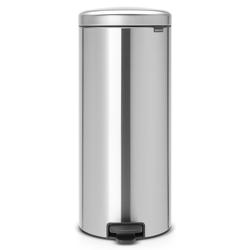
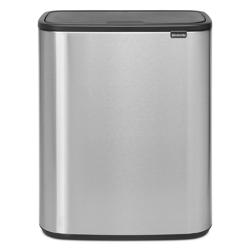
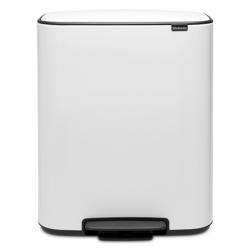
Step cans for busy households combine hands-free lid operation, a durable pedal and enough capacity for daily kitchen waste. A well-fitting lid helps contain odors, while easy-clean surfaces make spills and splashes less of a chore. These everyday details matter when breakfast dishes are stacked beside the sink, vegetable trimmings cover the cutting board and several people are moving through the kitchen at once. A foot pedal lets someone discard a used paper towel without lifting the lid by hand, leaving hands free to hold a bowl or steady a plate. A mechanical pedal also works without batteries or a nearby outlet, allowing more flexibility in where the can sits. For frequent use, a responsive mechanism and a stable base help the can open comfortably without sliding across the floor with each press. A broad pedal can be easier to find without looking down, while a soft-close lid helps keep repeated openings from becoming a noisy part of dinner prep. A stay-open setting is useful during longer tasks, such as peeling potatoes or clearing plates, provided the can is closed again afterward. In homes with curious pets, a lid alone should not be treated as a secure barrier; a locking feature designed to limit access or placement behind a closed door may help keep discarded food out of reach. Households with young children may also appreciate a controlled lid action and a location away from play areas. Pedal resistance and balance matter for anyone who finds a foot-operated mechanism difficult to use, making comfort as important as appearance. Whether the kitchen serves roommates on different schedules, a couple who cooks most nights or a family packing several lunches, a dependable step can keeps everyday waste within easy reach without getting in the way.
The right capacity depends on cooking habits as much as household size. A smaller household that prepares every meal at home may produce more kitchen waste than a larger one that eats out regularly. Takeout containers, bulky packaging and frequent gatherings also affect how quickly a bag fills. For households that need more room between bag changes,
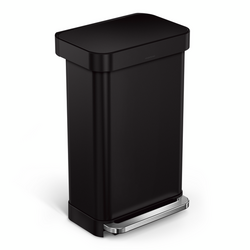
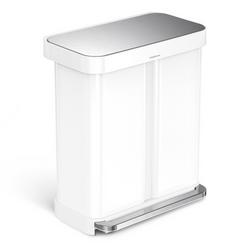
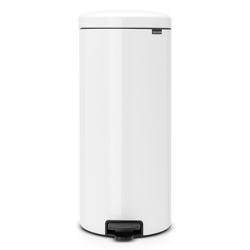
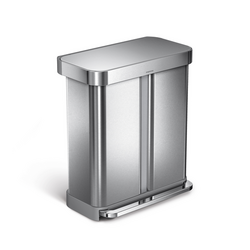
Large Capacity Step Bins offer space for the steady flow of waste from meal prep and cleanup. Extra capacity is most useful when the filled bag remains manageable to lift and carry; a larger can does not need to be packed to the top before emptying. Food scraps may still need to go outside sooner to keep odors under control. Physical fit matters just as much as volume, especially in a kitchen where cabinet doors, stools and appliances already compete for space. A rectangular shape can sit neatly along a wall or beside cabinetry, while a round can may suit an open corner where there is room around the base. The footprint alone does not tell the whole story: the pedal needs accessible floor space and the lid needs clearance to open fully without striking a counter overhang, shelf or wall. Placement near the prep area makes it easier to discard scraps, but the can should not block a walkway or prevent the dishwasher from opening. Bag fit is another practical detail. A liner that is too tight can be difficult to remove, while an oversized bag may bunch around the rim and interfere with the lid. A liner-retaining rim or similar feature can help keep the bag from slipping as waste is added. For households separating trash from recycling, distinct containers or divided compartments can make sorting more intuitive, provided each section has enough room for the materials it receives.
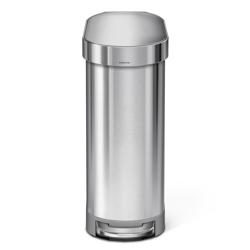
Materials and construction influence how a step can looks, feels and holds up to repeated use. Stainless steel brings a clean, finished appearance to a visible spot beside the cabinets, though its resistance to fingerprints and smudges depends on the surface treatment. Plastic is generally lighter to move for floor cleaning and will not develop rust, but its finish can still scratch or retain odors if spills are left inside. Neither material eliminates routine care. Smooth surfaces, accessible corners and a removable inner bucket can make cleanup more straightforward after a torn liner or a leaking package. A rigid bucket also helps separate the outer shell from small spills, although it should not be treated as a substitute for an intact bag. Construction deserves attention beyond the exterior: a secure lid attachment, a sturdy pedal and a base that sits evenly all contribute to a can that feels dependable through repeated openings. Care should follow the manufacturer’s directions, particularly for coated finishes and moving parts. A soft cloth and a suitable mild cleaner are often enough for everyday marks, while abrasive pads can damage the surface. Removable buckets should be cleaned as directed and dried thoroughly before a fresh liner goes in. The pedal and the area around the hinge benefit from attention, too, since crumbs and sticky splashes can collect there during cooking. Odor control works best as a combination of regular emptying, prompt spill cleanup and a lid that closes properly. Where a filter is part of the design, it needs maintenance or replacement according to its instructions rather than being relied on indefinitely. Hands-free opening reduces the need to touch the lid, but handling trash and changing bags still call for handwashing afterward. With a comfortable pedal, sensible placement and manageable upkeep, a step can becomes an unobtrusive part of a kitchen that gets used every day.