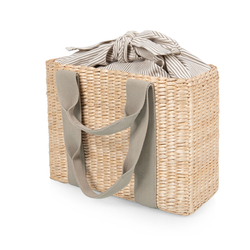
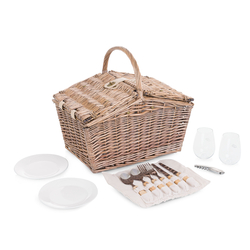
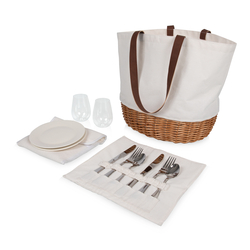
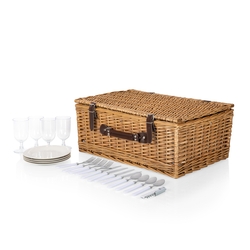
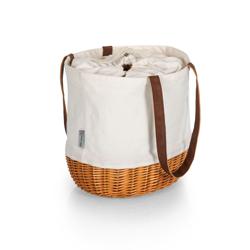
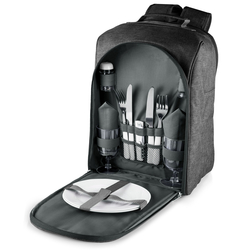
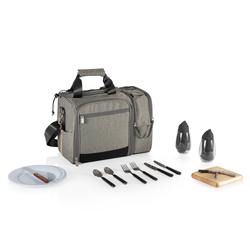
Stylish picnic baskets combine an attractive design with practical space for carrying food, drinks and table essentials. Traditional woven baskets offer a classic picnic look, while fabric totes and insulated styles bring a more streamlined feel to meals away from home. The right choice suits both the setting and the way the meal will travel, whether that means a short walk to a neighborhood park or a drive to a favorite picnic spot.
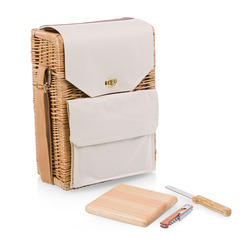
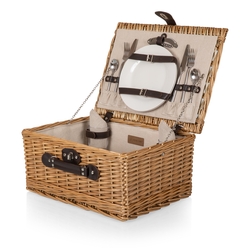
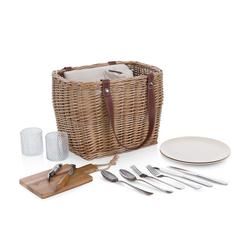
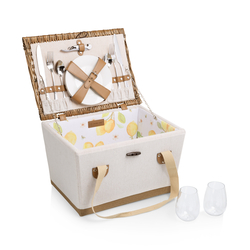
Wicker picnic baskets have a distinctive texture that pairs naturally with cloth napkins, reusable plates and a loaf of bread wrapped for sharing. Wicker describes the weaving technique rather than a single material; willow and rattan are common materials used to create these structured shapes. Differences in the weave, finish and construction influence how a basket looks and feels, from a softly rounded hamper to a rectangular design that sits neatly beside a blanket. A closely woven body can help contain smaller belongings, while a firm base gives packed containers a more stable place to rest. Fabric linings add another layer of character, with simple solids, checks or stripes lending different moods without changing the basket’s purpose. Removable linings can also make crumbs and small spills easier to manage. For a less traditional look, a fabric picnic tote can offer flexible packing space and a shape that is easier to carry close to the body. Insulated construction adds a practical feature for transporting food, though insulation alone does not replace ice packs or safe food handling. Across these styles, thoughtful details matter more than decoration alone: a comfortable handle, secure fastening and accessible opening all contribute to a basket that feels as useful as it looks. A simple design with well-chosen materials can feel just as special as an elaborate hamper, especially when its proportions work well with the containers and serving pieces packed inside.
Size and carrying comfort help determine how easily a picnic basket becomes part of a regular routine. A picnic basket for two can suit a shared lunch, an anniversary outing or a quiet afternoon with sandwiches, fruit and something sweet. A larger basket makes more sense for family meals or a gathering where several people are contributing food. Stated serving capacity is a useful starting point, but the interior layout matters just as much. Place settings, when included, take up room, and a fitted interior may leave less flexibility for a wide salad container or a tall bottle. An open compartment offers more freedom to arrange a meal around the containers already used at home. A broad, level base is particularly helpful for dishes that need to remain upright, while enough clearance beneath the lid keeps soft bread and delicate fruit from being squeezed. Exterior dimensions also deserve attention when the basket needs to fit beneath a car seat, beside other bags or on a storage shelf between outings. Carrying style changes the experience, too. A top handle works well for short trips from the car to a table, while a shoulder strap can leave hands free for a blanket or a child’s hand. The weight of the empty basket is only part of the picture; drinks, reusable dishes and a full meal add up quickly. Comfortable grips, balanced handles and secure attachments become especially important once everything is packed. Compartments and retaining straps can help keep utensils and tableware organized, although breakable pieces still need cushioning and careful handling. For picnic plans centered on chilled foods, an insulated compartment can be useful when paired with suitable cold packs. Perishable foods need to stay properly chilled during transport and until serving, so a decorative basket should not be treated as a substitute for a cooler. The best fit is a basket that accommodates the meal without forcing containers into awkward positions or becoming cumbersome to carry.
Good construction and straightforward care help a picnic basket stay ready for repeat use. On woven styles, even weaving, smooth edges and firmly attached handles are useful signs to consider, along with hinges and closures that operate without pulling the basket out of shape. Natural fibers have texture and variation, which are part of their appeal, but loose ends or damaged strands can catch on napkins and clothing. Keeping food in closed containers protects both the meal and the basket’s interior, particularly when packing dressings, ripe fruit or anything that might leak. After an outing, emptying the basket promptly keeps crumbs and spills from settling into the weave or lining. A soft brush can lift dry debris from woven surfaces, and a lightly damp cloth may be appropriate for spot cleaning when permitted by the care instructions. Soaking natural wicker or putting the basket away while damp can damage its shape and finish. Fabric linings and insulated interiors need care suited to their materials; a removable liner is not necessarily machine washable, and a wipe-clean compartment should still be allowed to dry fully before storage. Leaving lids and pockets open while drying helps prevent trapped moisture. These practical details also make stylish picnic baskets thoughtful gifts for people who enjoy bringing a meal along rather than planning an outing around a restaurant. A couple celebrating an engagement might appreciate a compact basket for shared lunches, while frequent hosts may prefer room for serving containers and extra napkins. For a housewarming gift, a versatile shape and understated lining can suit a range of tastes without requiring a fully coordinated table setting. The basket can be used for a park lunch, an outdoor concert or a relaxed meal close to home, with the contents changing to suit the occasion. Choosing a style that is easy to pack, comfortable to carry and manageable to clean gives its good looks a practical foundation—and makes it more likely to become part of many meals to come.