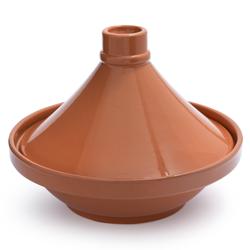
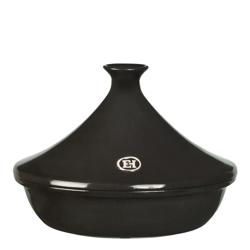
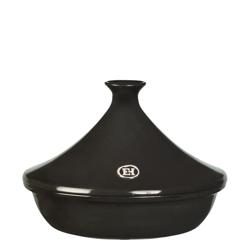
Tagine cooking pots are traditional North African vessels, especially associated with Moroccan cooking, with a shallow base and a tall, conical lid designed for gentle braising. The word “tagine” also refers to the dish cooked inside. As ingredients simmer, moisture rises as steam, condenses on the lid and returns to the food, helping maintain a moist cooking environment with relatively little added liquid. This makes a tagine well suited to tender lamb, chicken with preserved lemon and olives, chickpeas with vegetables or beef paired with dried fruit. The broad base holds ingredients in a relatively shallow layer, while the distinctive lid creates room for steam to circulate. Unlike a pressure cooker, a tagine is not sealed under pressure; its appeal is patient cooking that gives flavors time to come together. For someone who enjoys building a meal around a single pot, it offers a satisfying way to turn everyday ingredients into a dish worth bringing straight to the table. Onion softens beneath the main ingredients, spices mingle with cooking juices and vegetables absorb the sauce as they become tender. Ginger, cumin, turmeric and saffron are familiar companions, though the pot is useful beyond any one combination of seasonings. A vegetable tagine can be just as inviting as a meat-based dish, with carrots, squash or cauliflower providing different textures and chickpeas adding substance. Couscous or bread served alongside catches the flavorful juices without competing with the main dish. Tagines are particularly appealing to cooks who enjoy braises, shared meals and recipes that develop gradually rather than relying on quick, high-heat cooking. Their distinctive shape serves a practical purpose, but it also makes the moment of lifting the lid at the table feel special. Choosing among tagine cooking pots starts with matching that style of cooking to the material, size and heat-source requirements of the vessel.
Traditional earthenware tagines, whether glazed or unglazed, reward gentle handling and careful heat control. Clay warms gradually, making it a natural fit for low, steady cooking, but its suitability for a burner or oven depends on how the vessel was made. An attractive ceramic tagine is not necessarily intended for cooking; some are designed only for serving. Look for clear confirmation that the entire vessel is food safe and approved for the intended heat source. Unglazed clay may require soaking, oiling or curing before its first use, while glazed ceramic and enameled cast iron have different preparation requirements. The manufacturer’s directions matter more than a general rule about seasoning, since both clay bodies and finishes vary. Tagines with cast iron bases offer a different cooking experience: the base retains heat well and may allow ingredients to brown before the lid goes on, provided the manufacturer permits that use. A ceramic lid paired with a metal base still requires attention to the limits of each component. Induction compatibility depends on a suitable magnetic base, not the tagine’s appearance, and oven suitability includes the lid, handle and any decorative elements. For clay cookware, a heat diffuser may be recommended or required on certain stovetops, but it does not make an otherwise incompatible pot safe to use. Size deserves equal attention. Base diameter affects how comfortably ingredients fit, while capacity helps indicate the amount of food the pot can hold; neither measurement tells the whole story alone. A smaller tagine can suit a meal for one or two, while a broader base gives chicken pieces, vegetables or larger portions more room. Consider how the pot will sit on the burner, whether the assembled vessel fits in the oven and where the tall lid will go when removed. Weight matters, too, especially when carrying a full pot to the table. A manageable size with secure handholds is often more useful than extra capacity that makes everyday handling awkward.
Care and durability are closely connected with how a tagine is used. Clay and ceramic can last with thoughtful handling, but sudden temperature changes can cause cracking. A hot vessel needs a dry, heat-safe resting place rather than a cold countertop or wet surface, and adding cold liquid to a hot clay pot can create damaging thermal stress. Low or gradually increased heat, when allowed by the manufacturer, is generally more appropriate for earthenware than an abrupt blast from a powerful burner. Cleaning requirements vary by material and finish, so dishwasher suitability should never be assumed. Unglazed clay can absorb detergent and odors, making its specific cleaning instructions especially important. Glazed surfaces and enamel are often easier to wipe clean, though nonabrasive tools help protect their finish. A pot should be thoroughly dry before storage, and the lid needs a secure place where its rim and tip will not be knocked against other cookware. These practical details are worth considering for a gift as well as a personal purchase. A tagine can be a thoughtful choice for someone who enjoys Moroccan food, slow braises or gathering friends around a shared dish, provided it suits the recipient’s stove and care preferences. Someone who likes lightweight cookware and dishwasher cleanup may want different features from a cook who enjoys tending traditional clay vessels. For poultry-focused kitchens, comparing tagines with other
chicken cooking pots can help clarify whether gentle, covered braising is the main goal or whether another cooking style takes priority. A tagine is especially rewarding when the sauce is part of the meal: chicken nestled among olives, tender vegetables surrounded by spiced juices or lamb with softened apricots. The best fit is a pot that feels comfortable to handle, works safely with the kitchen’s heat sources and makes this unhurried style of cooking easy to return to.