Tea-flavored madeleines bring together the fragrance of a favorite brew and the delicate texture of a small French cake. Recognizable by their scalloped shells and gently rounded backs, madeleines are especially appealing when the edges have a little crispness and the centers stay soft. Tea adds another layer of flavor without needing a heavy filling or elaborate decoration: bergamot-scented black tea lends a citrus note, finely powdered green tea contributes an earthy character and floral blends can add a subtle aroma. Baking essentials for these cakes support that balance, from bakeware that defines the shell pattern to tools that help measure, mix and portion a light batter. They suit bakers exploring tea beyond the cup as well as experienced home cooks looking for a different take on a familiar treat. The most useful choices depend on the recipes someone enjoys, the size of each batch and how much precision feels comfortable in the kitchen. A baker who likes a pronounced tea flavor may appreciate equipment for weighing small amounts and straining infused ingredients, while someone drawn to neat presentation may focus on clearly shaped molds and tools for controlled filling. Tea itself can take different forms in a recipe, and that affects which tools earn their place on the counter. Loose leaves generally call for infusion and straining when a smooth crumb is the goal; fine tea powders can be blended into dry ingredients but may need sifting to break up clumps. Not every recipe includes milk or another suitable infusion liquid, so equipment choices should follow the batter rather than assume that brewed tea can simply be added. These are small cakes with relatively subtle flavors, making accurate measurements and thorough mixing more useful than a crowded collection of specialized accessories. A few well-chosen essentials can serve both a quiet afternoon baking project and a carefully arranged tray for guests.
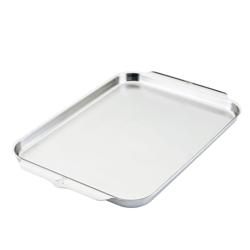
Madeleine bakeware deserves particular attention because the pan shapes both the appearance and the baking experience. Metal pans conduct heat readily and can encourage defined edges and browning, although results vary with the pan’s construction, finish and the recipe. Aluminum is valued for its heat conductivity and manageable weight, while steel bakeware can offer a sturdy feel; neither material alone tells the whole story about performance. A pan that feels stable when lifted and has accessible edges is easier to handle when its wells are filled. Nonstick finishes can help release the delicate shell ridges, but they do not necessarily eliminate the need for preparation specified by the recipe or manufacturer. Flexible silicone molds offer a different handling experience and can make it easier to ease cakes out of their cavities, though they may produce a softer exterior and often benefit from the support of a baking sheet. That supporting sheet also takes up space, so overall dimensions matter as much as the number of molds. A pan should fit comfortably on the oven rack without being forced against the walls, and there should be room to grip it safely with oven mitts. Cavity size affects portioning, yield and baking time: miniature shells suit small assortments, while larger ones make a more substantial accompaniment to tea. Two pans with the same cavity count may not hold the same amount of batter. For bakers who chill filled pans as part of a recipe, refrigerator space is another practical consideration. Care requirements are equally important when choosing bakeware intended for repeated use. Gentle cleaning helps preserve detailed grooves, and nonabrasive utensils protect coated surfaces from unnecessary scratches. Manufacturer instructions should determine whether a pan is dishwasher safe and which tools are suitable for its finish. Thorough drying before storage is especially important for metal bakeware, including seams and rolled edges where moisture can linger. Stacking pans with a protective layer between them can help keep cooking surfaces in better condition. These everyday details matter more to long-term usefulness than an elaborate shape or finish that does not suit the baker’s routine.
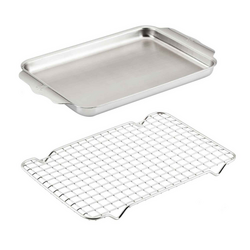
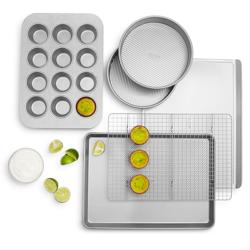
The supporting tools should make a small batch feel manageable, not turn it into a complicated production. Mixing bowls with enough room for folding help keep batter contained, while a comfortable whisk is useful for combining eggs and sugar or distributing dry ingredients. A flexible spatula reaches the bottom and sides of a bowl, where flour or melted butter can otherwise remain unmixed. For tea-flavored batters, a fine-mesh sieve can serve several purposes, including sifting powdered tea and catching loose leaves after an infusion; the mesh needs to be fine enough for the ingredients involved. A kitchen scale is helpful for recipes written by weight, particularly when small changes in flour or tea can affect texture and flavor. Measuring spoons remain useful for modest quantities, and clear, easy-to-read markings make them more pleasant to use repeatedly. Portioning tools can help keep neighboring cakes similar in size, whether the baker prefers a small scoop or the control of a piping bag. A cooling rack provides support and airflow after baking, helping the undersides avoid prolonged contact with a warm pan or solid surface. For someone building a broader baking setup, coordinating these tools with other
Bakery Essentials helps avoid duplicates and favors pieces that also work for cookies, cakes and other everyday projects. That versatility makes this theme a thoughtful gift for a tea enthusiast who already enjoys baking, a host who likes serving something homemade or a home baker curious about French-style cakes. The recipient’s storage space, preferred cleaning routine and existing equipment are worth considering before choosing a gift. Finished madeleines are lovely beside a pot of tea, tucked into a small dessert assortment or shared over an unhurried conversation. Their appeal rests in the details: a recognizable shell, a tender bite and a tea flavor that complements rather than overwhelms the cake. Equipment chosen for comfortable handling, dependable performance and straightforward care supports those details batch after batch.