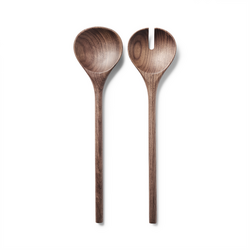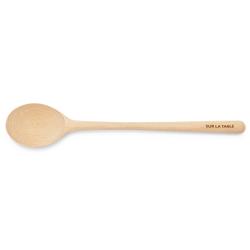
Teak wood utensils bring warmth, durability and an easygoing natural look to everyday cooking. Made from dense, close-grained wood with naturally occurring oils, teak is naturally water-resistant and less prone to drying out, splitting or warping than many softer woods. That makes it a practical choice for cooks who reach for the same spoon, spatula or turner night after night, whether they are stirring a pot of soup, folding vegetables into a skillet or scraping the last of a tomato sauce from the bottom of a saucepan. The smooth surface is gentle on cookware, including nonstick pots and pans, enameled cast iron and other finishes that can be marked by metal tools. Teak also has a comfortable weight in the hand without feeling cumbersome, and its rich golden-brown color develops a deeper, more distinctive tone with use. For an everyday kitchen, a set can provide the essential shapes needed for mixing, sautéing, serving and tasting, while individual utensils are useful for filling a particular gap in a well-loved collection. Look for pieces with a smooth, splinter-free finish, sturdy handles and thoughtfully shaped heads that can reach into the corners of pans or rest securely along a pot’s rim. A broad turner is helpful for delicate foods and roasted vegetables, while a rounded spoon works well for risotto, stews and batters. Slotted designs allow excess oil or sauce to drain as you lift food from the pan, and longer handles can add comfort when cooking in deeper vessels.
Teak wood utensils suit a wide range of cooks, from someone setting up a first kitchen to an experienced home chef who appreciates tools that feel better with time. They are especially useful for anyone who prefers a quieter, more tactile cooking experience: wood makes less noise against a pan than metal, does not become hot as quickly as many other materials and adds a natural touch to a countertop utensil crock. Their handsome grain also makes them a thoughtful gift for a new homeowner, newlywed couple, cooking enthusiast or host who enjoys gathering friends around the table. A coordinated set can mark a new beginning in a first apartment, complement a rustic kitchen or soften the look of a sleek modern space. Individual teak utensils make simple, useful additions to a housewarming basket when paired with pantry staples, a favorite recipe or a linen kitchen towel. During the cooler months, when stovetop meals, slow-simmered sauces and weekend baking often take center stage, these utensils are ready for the steady rhythm of stirring, folding and serving. They are just as at home beside a grill or outdoor prep area when the weather warms, provided they are cared for properly between uses. For cooks who enjoy natural materials throughout the kitchen, teak can be paired with other wood tools and serving pieces for a cohesive look. Explore the broader selection of
Premium Wooden Kitchen Utensils to find complementary shapes and finishes for cooking, baking and serving.
Caring for teak wood utensils is straightforward and helps preserve their smooth feel and rich appearance. After cooking, wash each piece by hand with warm water and mild dish soap, then dry it promptly with a clean towel before placing it in a well-ventilated utensil holder or drawer. Avoid leaving teak submerged in the sink, since prolonged soaking can cause even durable wood to swell, crack or lose its finish. Teak utensils should not be placed in the dishwasher, where high heat, strong detergents and repeated exposure to water can shorten their useful life. Every so often, especially when the wood begins to look dry or feels rough, apply a thin coat of food-grade mineral oil or a food-safe beeswax conditioner. Let the treatment absorb according to the product directions, then wipe away any excess so the utensil is smooth rather than greasy. Avoid vegetable or olive oil for conditioning, as these can become sticky or turn rancid over time. With simple hand-washing and occasional conditioning, teak utensils can remain dependable through daily breakfasts, family dinners and special-occasion cooking. Their natural variations in grain and color mean no two pieces look exactly alike, giving a utensil collection the relaxed, lived-in character of a kitchen that is used often and enjoyed generously.