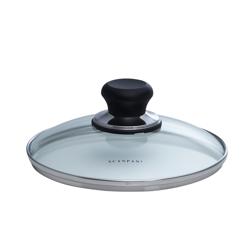
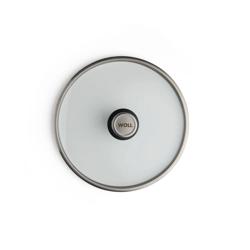
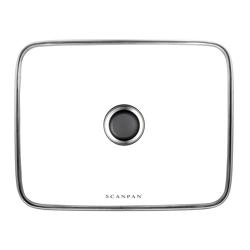
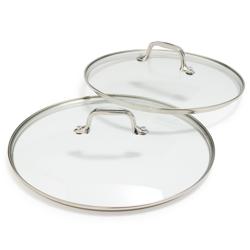
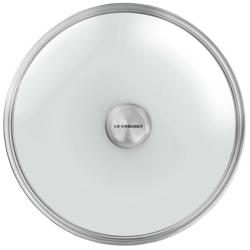
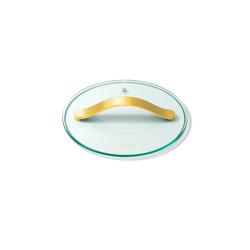
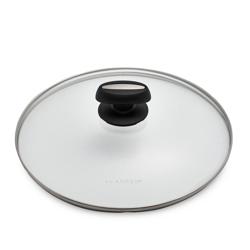
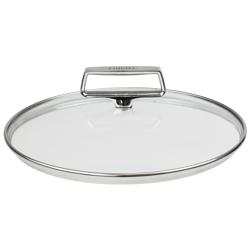
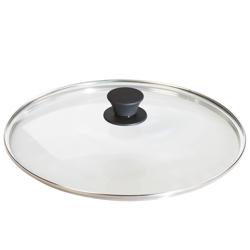
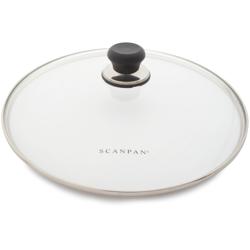
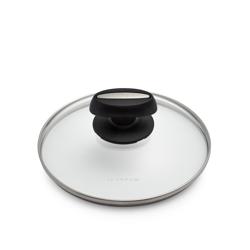
Tempered covers are cookware lids made with heat-treated glass, designed to help retain heat and moisture while keeping food visible as it cooks. Tempering strengthens glass compared with ordinary untreated glass, but it does not make a cover unbreakable or immune to sudden temperature changes. In the kitchen, that clear surface has a practical advantage: you can check a gentle simmer, watch rice absorb its cooking liquid or see greens begin to wilt without lifting the lid each time. Keeping cookware covered helps limit evaporation, which matters when a dish needs enough liquid to finish cooking without drying out. A covered pan can also help contain some splashes, although a lid is not a substitute for adjusting the heat or leaving enough room for bubbling food. Glass covers suit everyday tasks such as steaming vegetables, warming leftovers on the stovetop and gently cooking dishes that benefit from a moist environment. For sauces that need to reduce or foods that need a crisp surface, uncovered cooking still has its place. The surrounding construction matters, too. A metal rim can help protect the glass edge during ordinary handling and provide a defined resting surface against the cookware. Knobs and loop handles offer different ways to lift a cover, with comfort depending on their shape, clearance and how securely they can be held with a dry oven mitt. Some designs include a small vent that allows steam to escape; others release steam around the rim. Neither arrangement turns a regular cookware lid into a pressure-cooking lid. Clear glass may fog or collect condensation during cooking, so visibility naturally changes as steam builds. Even with that occasional clouding, a glass cover makes it easier to follow what is happening in the pan before deciding whether to stir, lower the heat or give dinner a little more time. For cooks juggling several dishes, that quick visual check can be especially useful.
Fit is just as important as material when comparing
Lid Covers. A cover should rest securely on the cookware without rocking, slipping inside or hanging precariously over the edge. Diameter is a useful starting point, but the shape of the pan’s rim and the design of the lid’s underside also affect compatibility. Two pans with the same stated diameter do not necessarily take the same replacement lid, especially when one has a flared edge and another has a pronounced pouring lip. Manufacturer sizing and compatibility information offer a more reliable match than appearance alone. When checking an existing pan, the relevant rim measurement and seating surface matter more than the width across its handles. Round covers are common for saucepans, sauté pans and stockpots, while other cookware shapes need a corresponding cover. A domed profile can leave more room above the food, and a flatter profile may be easier to accommodate in a shallow drawer. Handle height deserves attention for the same reason: a comfortable grip on the stove can still need extra clearance in a cabinet or oven. A well-matched replacement cover can return a frequently used pan to covered-cooking duty without requiring a new piece of cookware. For a smaller kitchen, a cover specifically designed to fit several cookware sizes may reduce the number of separate lids to store, provided its stated dimensions and seating design match the pans involved. Weight is another everyday consideration. A substantial cover may feel steady, but it should still be manageable when lifted with one hand while the other holds a spoon or steadies a pan. These practical details make tempered glass covers useful for new cooks building a kitchen, experienced cooks replacing a damaged lid and anyone sharing cookware in a busy household. As a gift, a replacement cover is most thoughtful when the recipient’s cookware dimensions and compatibility requirements are known; a close visual match is not enough to ensure a useful fit.
Durability depends on both construction and everyday care. Tempered glass tolerates normal handling better than ordinary untreated glass, yet an impact against a sink, countertop or neighboring pan can still damage it, particularly around the edges. A chipped, cracked or deeply scratched cover should be taken out of use rather than kept for occasional cooking. Sudden temperature changes are another concern: a hot lid should not go into cold water or onto a cold, wet surface. A dry, heat-resistant resting place gives it somewhere secure to cool before cleaning. Oven suitability must be checked for the complete cover, not assumed from the glass alone. The handle, rim and any other components may have different heat limits, and the manufacturer’s stated maximum temperature applies. Stovetop compatibility does not automatically mean oven compatibility, and a glass lid should not be placed under a broiler unless its manufacturer specifically permits that use. During cooking, handles can become hot, so a dry oven mitt belongs within reach. Lifting the far edge first helps direct escaping steam away from hands and face. For cleanup, warm, soapy water and a soft sponge are a gentle starting point once the cover has cooled. Food residue can collect beneath the rim or around the handle attachment, making those areas worth a little extra attention. Abrasive pads and harsh cleaners can scratch or damage surfaces, while dishwasher use should follow the care instructions for the entire lid. Drying thoroughly helps keep the glass clear and prevents water from lingering around fittings. In storage, a rack, divider or soft separator can keep covers from knocking against heavy cookware. With a secure fit, suitable heat limits and careful handling, a tempered glass cover becomes a practical part of everyday cooking, helping keep moisture in the pan and the progress of a meal in view.