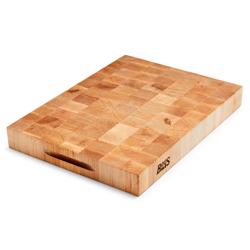
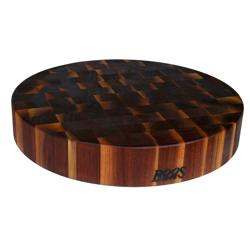
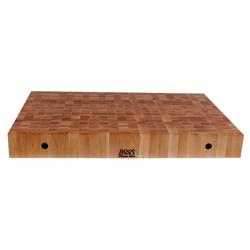
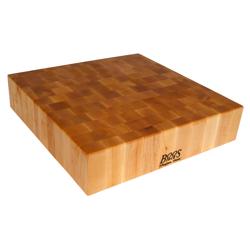
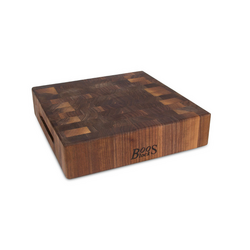
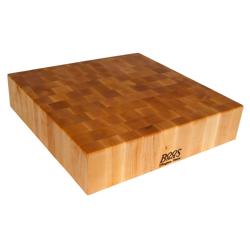
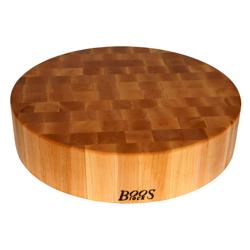
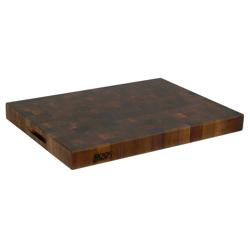
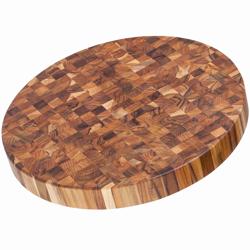
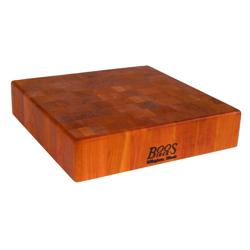
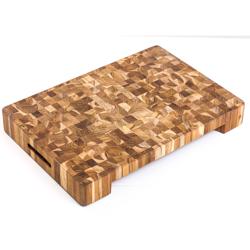
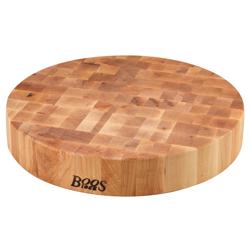
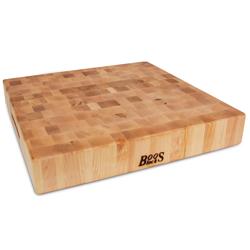
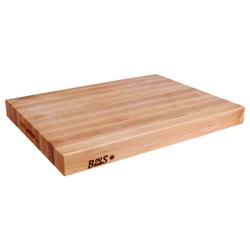
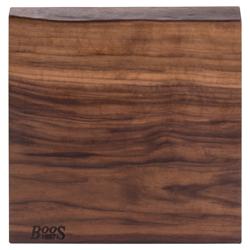
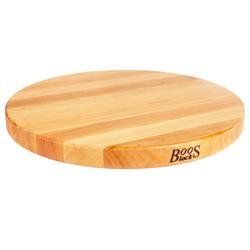
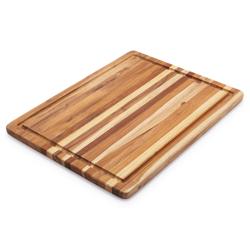
Thick wooden blocks give kitchen prep a substantial work surface for chopping vegetables, mincing herbs, slicing bread and carving cooked meats. Designed for food preparation rather than woodworking or crafts, wooden chopping blocks and butcher blocks combine a generous cutting surface with the warmth of natural wood. Their depth adds weight, which can help limit movement during use, although a level counter and a secure, nonslip base still matter. Hardwoods such as maple, walnut and cherry are common choices because they balance durability with a surface that is generally gentler on knife edges than glass or stone. Maple typically has a light, understated appearance, while walnut brings deeper brown tones and cherry develops a richer color with age and exposure to light. Natural grain variations make each wooden surface look a little different, even when the wood species and construction are the same. Construction also affects how a block performs. End-grain blocks expose the ends of the wood fibers on the cutting face, often creating a checkerboard pattern. Those fibers can separate slightly beneath a blade, helping the surface withstand repeated chopping while limiting visible knife marks. Edge-grain blocks use the long edges of wood strips for a more linear appearance and a dependable everyday cutting surface. Neither construction is maintenance-free, and thickness alone does not determine quality. Properly dried wood, sound joints and a food-contact-safe finish are just as important to long-term performance. For someone who cooks often, the appeal is practical: a roomy block can hold a pile of diced onions beside whole carrots without forcing constant transfers to a bowl. For someone who enjoys preparing food at a more relaxed pace, it offers a comfortable place to work through a recipe, from trimming vegetables to chopping the parsley that finishes the dish. The best match depends on the food being prepared, the space around the block and how comfortably it fits into the cook’s routine.
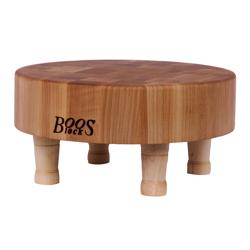
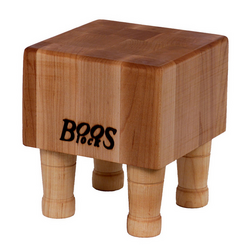
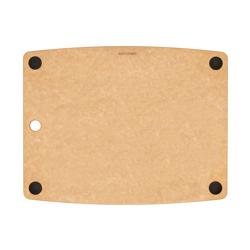
The right footprint makes a thick wooden block useful rather than cumbersome. A broad surface leaves room for a chef’s knife to move freely, but there should still be clear counter space for ingredients, mixing bowls and a place to set finished prep. On a compact counter, a smaller block may be more comfortable than a large one that crowds the sink or extends over an edge. Thickness raises the cutting surface, too, so the combined height of the counter and block matters during longer tasks. A comfortable setup lets the cook work with relaxed shoulders rather than lifting the elbows to reach the food. Weight deserves equal attention. A substantial block can be reassuring during a long chopping session, but it may be awkward to carry across the kitchen or lift for cleaning. Recessed handholds can make lifting easier when included, while feet can help keep the underside raised; neither feature replaces checking that the block sits securely. Surface details should suit the intended use. A juice groove can help contain liquid from a carved roast or ripe tomatoes, while a flat surface preserves more uninterrupted space for chopping and gathering ingredients. Reversible designs can offer different working surfaces, though blocks with feet or other fixed features may be intended for use on only one side. For cooks who need a separate preparation station,
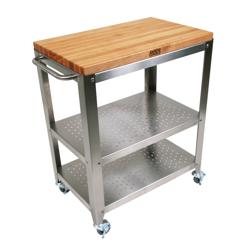
thick wooden tables can bring a similarly substantial look to a larger workspace, with suitability for direct cutting determined by the tabletop’s construction and finish. A countertop block serves a different purpose: it keeps a dedicated cutting surface close to the stove, sink and ingredients without requiring another piece of furniture. Beyond meal prep, a clean, dry wooden block can make an inviting presentation surface for a loaf of bread or a selection of cheeses, provided it is suitable for food contact and has been properly cleaned before serving.
Wood rewards consistent, straightforward care. A thick block may feel sturdy enough to withstand anything, but prolonged moisture can still cause swelling, warping or separation at the joints. Most wooden cutting blocks should be washed by hand with mild dish soap and water, then dried promptly, following the manufacturer’s instructions. They should not be soaked, left in a wet sink or cleaned in a dishwasher. Allowing air to circulate around the block helps it dry evenly; leaving the underside against a damp counter can keep moisture trapped where it is easy to overlook. Routine conditioning with a manufacturer-recommended, food-grade mineral oil or board conditioner helps reduce drying and keeps the wood looking cared for. Ordinary cooking oils are not a substitute because they can turn rancid. How often conditioning is needed depends on use, cleaning and the wood itself, so the surface’s condition is more useful than a rigid schedule. A dull, dry appearance may signal that attention is needed. Knife marks and gradual color changes are normal signs of use, but deep cracks, loose joints or damage that traps food call for closer attention and may mean the block needs replacement. Some solid wood blocks can be professionally resurfaced, depending on their construction and condition. Good food-handling habits matter just as much as wood care: keeping raw meat preparation separate from ready-to-eat foods helps reduce cross-contamination, and cleaning should happen between tasks. For frequent home cooks, enthusiastic bakers or anyone settling into a new kitchen, a well-chosen block can become an everyday companion rather than an occasional accessory. It can also make a thoughtful wedding or housewarming gift when its size, weight and maintenance needs suit the recipient. Someone with generous counter space may appreciate a substantial block that stays in place, while a cook who stores tools after every meal may prefer something easier to lift. Lasting usefulness comes from that fit: durable material, manageable proportions and a surface that makes daily preparation feel more comfortable.