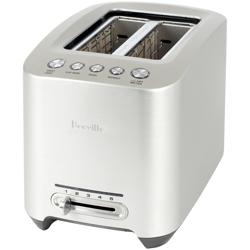
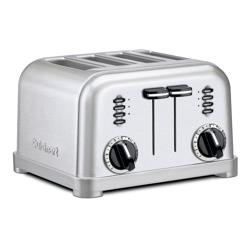
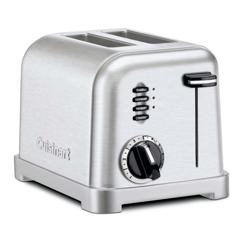
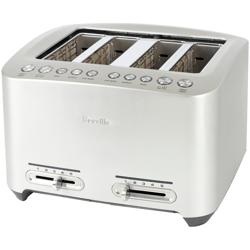
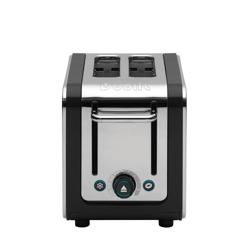
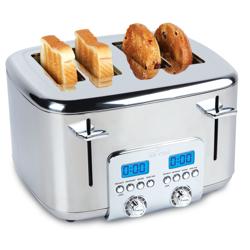
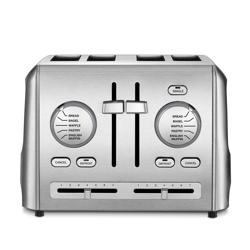
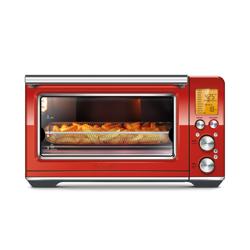
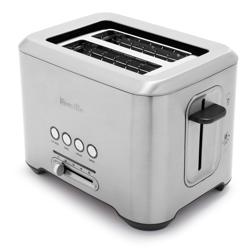
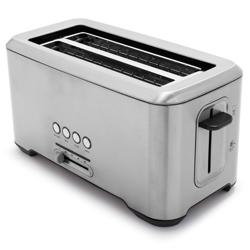
Toasters with defrost and reheat settings help you toast bread straight from the freezer and warm toast that has cooled before you’re ready to eat. A defrost setting adjusts the toasting cycle to account for frozen bread, typically adding time to thaw and toast it in one cycle. A reheat setting uses a shorter warming cycle to bring already-toasted bread back to a pleasant serving temperature with minimal additional browning. The exact operation varies by toaster, but both functions make everyday breakfast a little more flexible. If you freeze sliced bread to keep it on hand longer, defrost can save you the extra step of letting slices thaw on the counter. A slice of whole wheat for peanut butter, a piece of sourdough to serve with scrambled eggs or a frozen English muffin can go from freezer to breakfast with less guesswork, provided it fits the slots and is suitable for your toaster. Reheat is useful when the toast finishes before the eggs, someone needs help finding a backpack or a cup of coffee turns into a longer conversation. It’s intended for brief warming rather than another full toasting cycle, though some additional crisping or darkening may occur. Neither setting replaces the shade control: bread thickness, moisture and starting temperature still affect the finished toast. A thin slice of sandwich bread behaves differently from a thick, dense slice of a rustic loaf, so a moderate setting is a sensible starting point when trying a different bread. Frozen waffles and other toaster-ready foods may also work with a defrost function, but package directions and the appliance instructions should determine the setting. For anyone who regularly stores bread in the freezer or likes to bring several breakfast components to the table together, these two functions offer practical control over timing without adding a separate appliance to the routine.
The best fit for your kitchen depends as much on the shape of the bread and the space on the counter as it does on the number of slices you toast. A two-slice toaster can suit a smaller household, a compact kitchen or someone who usually makes breakfast one serving at a time. A four-slice toaster gives you more room when several people are eating together, while separate controls, where included, let different portions toast at different shade settings. That can be useful when one person prefers lightly golden bread and another wants a darker, crisper slice. Slot dimensions deserve a close look, too. Wide slots can accommodate thicker cuts and split bagels, while long slots may better suit the shape of an artisan loaf. Bread should fit without being forced into place or extending beyond the area the toaster is designed to heat. Centering guides can help hold thinner slices in position, and a high-lift lever can make smaller pieces easier to reach once the cycle ends. Consider how you’ll use the controls during an ordinary morning: clearly labeled defrost and reheat buttons, an easy-to-read shade selector and an accessible cancel button can be more useful than a long list of settings you rarely touch. If seeing the selected setting or remaining cycle time matters to you,
Toasters With Digital Controls offer another way to narrow your search, with display features varying by design. Measure the intended counter space, including room to operate the lever and remove the crumb tray, and follow the manufacturer’s clearance requirements rather than planning to toast beneath a low shelf. Exterior materials also influence the look and everyday upkeep of the appliance. Stainless steel brings a familiar finish to kitchens with other metal appliances, while painted metal and heat-resistant plastic housings offer different visual effects. Fingerprints may show more readily on polished surfaces than textured or brushed finishes. Regardless of the exterior material, surfaces can become hot during use, so placement should leave room to operate the toaster without brushing against it.
A toaster earns its place on the counter through repeated use, and thoughtful construction and straightforward care matter over time. A stable base, controls that are easy to operate and a removable crumb tray are practical details worth considering alongside defrost and reheat functions. Exterior material alone doesn’t establish durability; the quality of the mechanism, the manufacturer’s care instructions and warranty terms also deserve attention. For routine cleaning, unplug the toaster and let it cool completely before emptying the crumb tray and wiping the exterior as directed. Regular crumb removal helps prevent old crumbs from scorching and keeps the breakfast area tidier, especially if you frequently toast seeded bread or crumbly English muffins. Don’t immerse the toaster, and never reach into the slots with a knife or other metal utensil. If bread becomes lodged inside, disconnect the appliance, allow it to cool and follow the manufacturer’s removal instructions. Keeping slices plain while they toast is another important habit: butter, jam, cheese and other toppings belong on the bread afterward unless the appliance is specifically designed for them. Sweet pastries, filled foods and items that could drip require particular care and should only go into a slot toaster when both the food’s directions and the toaster’s instructions permit it. These simple boundaries leave plenty of room for satisfying everyday meals. Reheated toast can accompany a bowl of soup during the cooler months, while bread toasted from frozen can become the base for avocado, a soft egg or a generous spoonful of ricotta after it leaves the slots. For a shared kitchen, clear controls help different people use the same appliance with confidence, even when their breakfast habits vary. As a housewarming or wedding gift, a toaster with defrost and reheat settings is especially thoughtful for someone who enjoys breakfast at home, buys bread to freeze or is setting up a kitchen with dependable everyday essentials. Match the capacity and footprint to the recipient’s household, with attention to the bread they enjoy and the counter space they have. The most useful choice is one that handles those familiar routines comfortably, from a single slice before work to a leisurely breakfast with company.