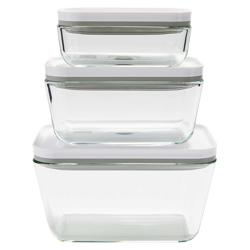
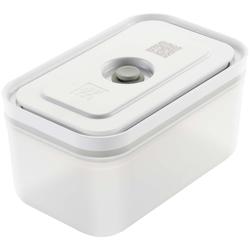
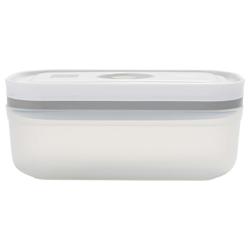
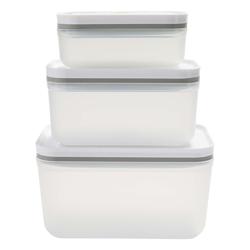
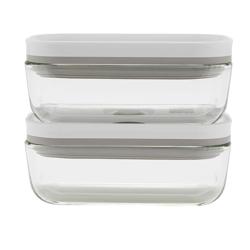
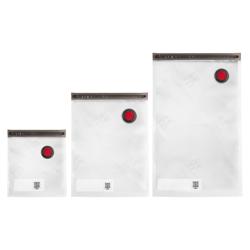
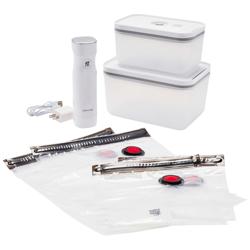
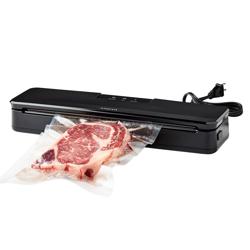
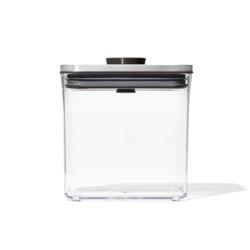
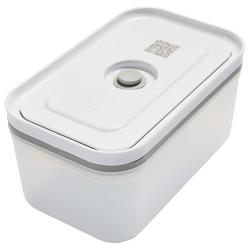
Vacuum containers help keep food fresher by removing much of the air from the storage environment, slowing the oxidation that can affect flavor, color and texture. They’re a practical choice for anyone who buys ingredients in larger quantities, cooks ahead or likes to keep a well-organized pantry and refrigerator. Use them for berries, leafy greens, cut vegetables, herbs, cheese, coffee, grains and other foods that benefit from reduced exposure to air. They can also be useful for leftovers, prepared sauces and meal components that need to stay appealing between cooking sessions. During the warmer months, vacuum storage can help protect delicate produce after a trip to the farmers market, when a basket of fragrant basil, ripe fruit or tender greens needs a little extra care before it can be used. As the weather turns cooler, these containers make it easier to portion soups, stews, grains and roasted vegetables for simple lunches and dinners. The best vacuum containers combine a secure seal with a shape that fits naturally into your storage space. Look for clear walls that let you see what is inside at a glance, stackable forms that make good use of shelf and refrigerator space and durable construction that can stand up to frequent handling. A wide opening makes it easier to fill, empty and clean the container, while a stable base helps prevent spills when you’re transferring food from the counter to the refrigerator. If you plan to use a vacuum pump or sealing system, confirm that the container is designed to work with it and check whether the necessary accessories are included. A container that is easy to use is more likely to become part of your everyday routine rather than something reserved for occasional storage.
Choosing the right size is just as important as choosing the right seal. Smaller vacuum containers are useful for chopped herbs, half an avocado, grated cheese, snacks and individual portions, while larger sizes can hold washed greens, cut fruit, prepared grains or family-size leftovers. Avoid leaving a great deal of empty space when storing soft or delicate foods, since excess room may allow ingredients to shift or become compressed. At the same time, containers should not be filled to the rim; leaving a little headspace helps prevent spills and gives sauces, soups and other foods room to settle. For pantry ingredients, consider the foods you reach for most often and choose shapes that make scooping or pouring comfortable. Clear storage is especially helpful when several containers hold similar ingredients, since it reduces the familiar problem of finding three partly used packages of the same grain or baking staple tucked behind one another. A well-sealed container can also help limit odors and moisture, which is useful in a busy refrigerator where cut onions, herbs and prepared foods share close quarters. Vacuum containers are a thoughtful gift for new homeowners, college students setting up a first kitchen, frequent meal preppers and anyone who enjoys bringing homemade food to work or school. They are equally useful for a host who likes to send guests home with leftovers or for a friend who has recently discovered the pleasure of cooking in batches. Pairing vacuum containers with other practical kitchen storage makes a useful housewarming gift, especially for someone moving into a smaller space and learning to make every shelf count. For additional pantry organization, clear storage options such as
Airtight Clear Containers can complement vacuum containers by keeping dry ingredients visible and protected.
For the most reliable results, begin with clean, completely dry containers and fresh ingredients. Moisture trapped beneath a lid can encourage spoilage, while food stored past its prime will not become fresher through vacuum sealing. Cool cooked foods before transferring them into storage, then label each container with the contents and date so older portions are easy to use first. Store food according to its normal safety requirements—vacuum sealing does not replace refrigeration or freezing and it is not a substitute for proper cooking and handling. Tender foods such as soft fruit, delicate pastries and leafy greens may need a light touch, since strong suction can bruise or crush them. For these ingredients, choose a gentler setting if available or use a container with enough room to protect their shape. Dry goods should be kept away from heat, direct sunlight and areas where steam can reach them, while refrigerated foods should remain at a consistently cold temperature. Check lids, valves and seals regularly for crumbs or residue that could interfere with a tight closure, and follow the care instructions for washing, drying and temperature use. Some containers are suitable for the dishwasher, microwave or freezer while others require hand-washing or should not be exposed to sudden temperature changes, so those details deserve attention before purchase. With the right size and a dependable seal, vacuum containers make everyday food storage feel less like a chore and more like a small investment in better meals. They keep ingredients ready for the next recipe, make leftovers easier to enjoy and bring a sense of order to the kitchen from late-summer produce through the cooler months ahead.