-
(8)
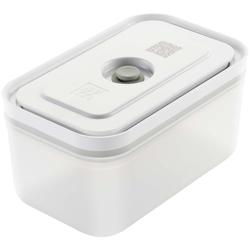
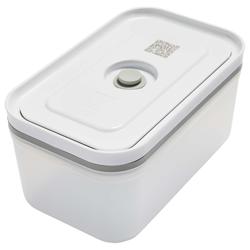
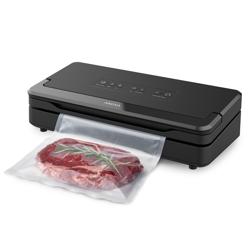
A powerful and feature-packed vacuum sealer that effortlessly seals food for sous-viding, freezing, and marinating.
Pros: easy to use, effective, aesthetic
-
(6337)
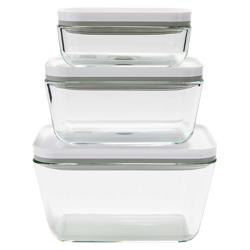
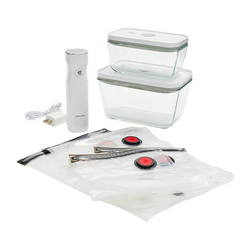
A vacuum sealer set that keeps food fresh up to five times longer, with durable glass containers and reusable plastic bags.
Pros: easy to use, durable, versatility
-
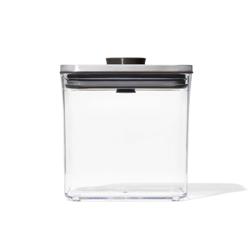
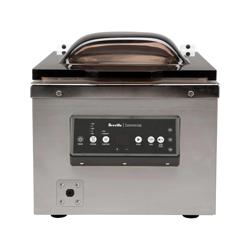
A stainless steel chamber vacuum sealer that efficiently seals both dry foods and liquids with push-button ease.
-
(30)
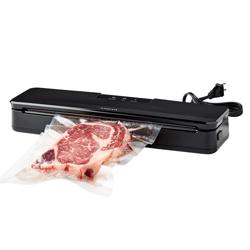
A reliable sous vide vacuum sealer with fast air extraction and three presets for easy use.
Pros: easy to use, compact, works great
Vacuum Sealers For Food Preservation
Preserve your food's freshness and extend its shelf life with our vacuum sealers. Designed for efficient food preservation, these sealers remove air and seal in the flavor and nutrients of your favorite meals. With their easy-to-use features, you can quickly vacuum seal a wide variety of foods, from fruits and vegetables to meats and leftovers. Invest in our vacuum sealers today and enjoy longer-lasting, tastier food while reducing waste.
Vacuum Sealers for Food Preservation
FAQ List
A vacuum sealer is a kitchen appliance that removes air from food packaging, which helps to preserve food for longer periods of time.
Vacuum sealers are a great way to save money and reduce food waste, as they allow you to buy food in bulk and then store it for later use. They also help to keep food fresher for longer periods of time.
You can vacuum seal almost any type of food, including meat, fish, vegetables, and fruits. You can also use a vacuum sealer to seal dry goods like nuts, grains, and pasta.
When choosing a vacuum sealer, you should consider factors such as the type of sealer you need, the type of bags or containers it uses, the size of the bags or containers it can accommodate, and the price and ongoing costs.
Some vacuum sealers can only be used with specific types of bags or containers, so it's important to check the manufacturer's instructions before using any type of bag or container with your sealer. However, many vacuum sealers are versatile and can be used with a variety of bags and containers.
-
"Consider whether you would recommend this product and what you like or dislike Love it - one of the best"
-
"Love that you can get all the air out of a container to keep your refrigerated items fresher and longer"
-
"Love that you can get all the air out of a container to keep your refrigerated items fresher and longer"
-
"Great canister! Easy to open and close with one touch!! The best canisters I have owned"
-
"I have 2 sets, I do use them everday and I think this is the best thing to keep your food in the fridge"