Vanilla Extract For Cooking
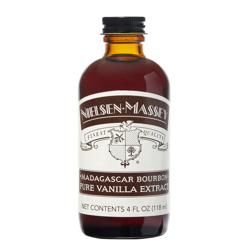
Vanilla extract is a small pantry staple with a remarkably broad role in the kitchen. A few drops can round out the flavor of chocolate, soften the richness of custards and add a warm, fragrant note to everything from pancakes to whipped cream. It is commonly used in baking recipes for cakes, cookies, brownies, quick breads and pies, but its usefulness extends well beyond the dessert course. Stir it into oatmeal, French toast, fruit compotes, smoothies or a creamy sauce for a gentle sweetness that does not overpower the other ingredients. During the warmer months, vanilla extract brings depth to ice cream bases, milkshakes and chilled desserts. As the weather cools, it is right at home in apple crisps, pumpkin breads, rice pudding and cozy drinks. When choosing vanilla extract for cooking, consider whether the label identifies it as pure vanilla extract or imitation vanilla flavor. Pure extract is made by extracting flavor from vanilla beans and typically offers a rounded, nuanced aroma, while imitation vanilla can provide a straightforward vanilla note at a lower price. Both can be useful, depending on the recipe and your preferences. In delicate preparations where vanilla is a featured flavor—such as pastry cream, shortbread or homemade ice cream—the difference may be easier to notice. In strongly flavored batters with chocolate, spices or molasses, either style may work well. A bottle with a pour spout or dropper can make it easier to measure small amounts without waste, while a larger bottle may be practical for frequent bakers. Store vanilla extract tightly closed in a cool, dark pantry, away from direct sunlight and high heat. There is no need to refrigerate it, and keeping it near the stove can cause its aroma to fade over time. For best results, measure carefully and add it according to the recipe: too little may disappear into the background, while too much can lend a sharp, alcoholic edge.
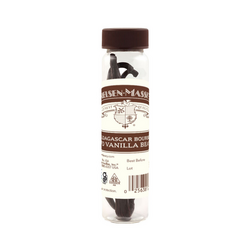
For cooks who enjoy pantry projects, homemade vanilla extract is another appealing option. It requires just two ingredients: split vanilla beans and 70- to 80-proof alcohol. Neutral vodka allows the vanilla to take center stage, while rum or bourbon can add their own mellow notes. To make it, slice five to six vanilla beans lengthwise to expose the tiny seeds inside, then place them in a clean glass jar or bottle. Pour in 8 fluid ounces, or 1 cup, of alcohol, making sure the beans are completely covered. Seal the container and store it in a cool, dark pantry, giving it a gentle shake every week or two. The extract usually begins to develop a recognizable vanilla flavor after about six weeks, although it becomes fuller and more balanced with three to six months of steeping. The finished extract will deepen in color as it rests, and the beans can remain in the bottle as the flavor continues to mature. Homemade extract is not always less expensive than a store-bought option, especially when using high-quality beans, but it offers the pleasure of customizing the flavor and keeping a batch ready for future baking. A clean bottle, tight-fitting lid and accurate measurements matter more than elaborate equipment. Vanilla beans for baking can also be useful when you want the seeds themselves for a particularly fragrant custard, glaze or dessert. Whether you are stocking a first apartment, refreshing a well-used baking cabinet or assembling a thoughtful gift for someone who enjoys making treats from scratch, vanilla extract is practical, easy to use and rarely left untouched. Pairing it with measuring spoons, a favorite baking dish or other pantry ingredients can turn a simple bottle into a useful gift for a new baker, an experienced home cook or anyone who appreciates the aroma of something sweet in the oven.
When using vanilla extract, add it with the liquid ingredients whenever possible so it disperses evenly throughout the mixture. In cakes and cookies, it is often added after the eggs or butter, before the dry ingredients are incorporated. For cooked custards, sauces and fillings, stir it in near the end of cooking to preserve its delicate aroma; prolonged exposure to high heat can dull some of its fragrance. If a recipe calls for vanilla extract but you want a more pronounced flavor, increase the amount modestly rather than pouring freely. A teaspoon is enough to give many batters a familiar warmth, while larger recipes or ice cream bases may call for more. Taste and balance are especially important in uncooked preparations, where the alcohol and vanilla remain more noticeable. Vanilla also pairs naturally with cinnamon, nutmeg, citrus, coffee, caramel, toasted nuts and ripe fruit, making it easy to adapt recipes across the seasons. A little in a peach dessert can emphasize the fruit’s floral character, while the same ingredient helps round out a rich chocolate cake or a warmly spiced loaf. Keep in mind that vanilla extract contributes aroma more than sweetness, so it does not replace sugar in a recipe. For consistent results, use the same type of vanilla from one batch to the next and keep the cap clean so the bottle seals properly. With thoughtful storage and careful measuring, vanilla extract can become one of those dependable ingredients you reach for almost without thinking—the finishing touch that makes a familiar recipe taste complete.