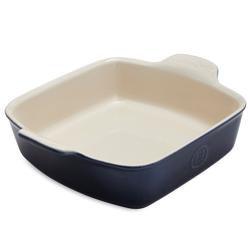
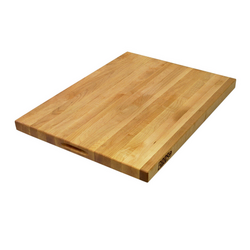
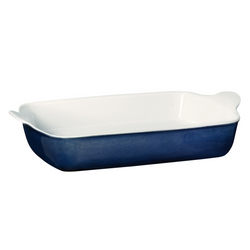
Vermont-made products bring a regional tradition of woodworking, specialty food production and small-scale craftsmanship to everyday cooking and entertaining. Wooden kitchenware, pure maple syrup, artisan foods, pottery and glassware are among the categories associated with the state, connecting useful household goods with the forests, farms and workshops that help shape its identity. For the kitchen and table, that connection is especially appealing: natural wood adds warmth to a workspace, maple lends a distinctive sweetness to familiar recipes and thoughtfully made serving pieces make a casual meal feel considered without feeling formal. The appeal goes beyond a rustic look. Vermont-made kitchen goods can fit just as comfortably into a streamlined apartment as a farmhouse kitchen, depending on their shape, finish and proportions. A simple silhouette lets wood grain or a glazed surface stand out, while understated colors work alongside dinnerware and linens collected over time. Materials and construction matter more than a particular decorating style, especially for pieces that will be handled every day. Smooth edges, comfortable grips, stable bases and surfaces suited to their intended tasks are useful details to look for. Regional origin deserves the same attention: a business based in Vermont does not necessarily manufacture every product there, and a product made in Vermont does not necessarily contain only Vermont-grown ingredients or locally sourced materials. Product descriptions and origin information help clarify those distinctions. Handmade details, responsibly sourced materials and particular production methods should be considered individually rather than assumed from the place name. For someone who enjoys knowing where household goods come from, those details add meaning to a practical purchase. They also help distinguish an appealing keepsake from something that genuinely belongs in a daily routine, whether that routine involves preparing a quick breakfast, setting out a relaxed supper or gathering friends around the table during the cooler months.
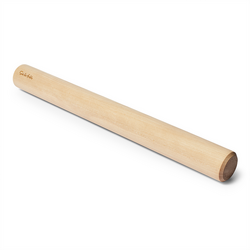
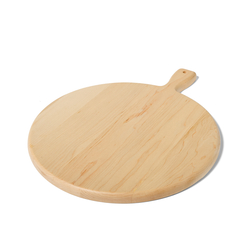
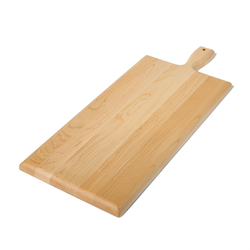
Wooden kitchenware is a natural starting point when considering Vermont-made products for everyday use. Maple, cherry and walnut are familiar hardwoods in American kitchenware, each with its own color and grain, though the species and source should be checked for any individual piece. Maple often has a light, relatively subtle appearance, cherry tends to deepen in color with age and walnut brings richer brown tones. Appearance is only part of the decision. A surface used for chopping needs to be intended for knife contact, while something designed primarily for serving may have a finish or construction better suited to presenting food than preparing it. Size should match the way the kitchen works: generous dimensions can make meal preparation more comfortable, but a piece still needs to fit securely on the counter and be manageable at the sink. Thickness and weight affect stability, lifting and storage, particularly for anyone who prefers lighter kitchen tools. Construction also influences performance. End-grain and edge-grain wood surfaces differ in appearance and how they respond to knife use, but neither eliminates the need for regular care. Wood generally benefits from prompt hand-washing, thorough drying and protection from soaking or prolonged exposure to heat. When the maker recommends conditioning, use a food-safe treatment intended for that purpose rather than an ordinary cooking oil, which may become rancid. Natural color changes and light marks can become part of a well-used surface; deep splits, loose joints or damage that prevents thorough cleaning deserve closer attention. Similar practical considerations apply to Vermont-made pottery and glassware. A handmade shape may have slight variations, but it should still feel balanced and comfortable to use. Check the stated care requirements and suitability for food contact, hot liquids, ovens, microwaves or dishwashers rather than judging by appearance. Not all ceramics tolerate the same temperatures, and glass can be vulnerable to sudden temperature changes. Matching material and care requirements to the household helps a beautiful piece remain useful long after its first outing.
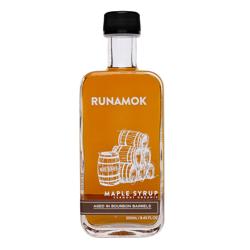
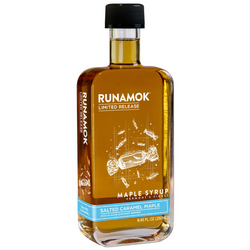
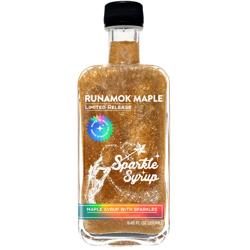
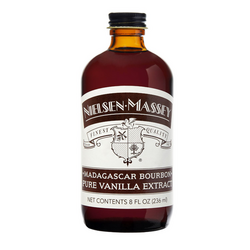
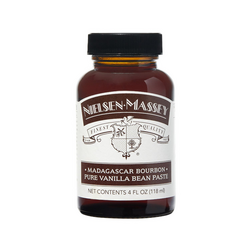
Vermont specialty foods offer another way to bring the region into the kitchen, particularly for cooks who appreciate ingredients with a clear role in both everyday meals and occasional baking. Pure maple syrup is closely associated with Vermont and is made by concentrating maple sap into syrup. Its flavor can range from delicate to robust, making the labeled color and taste description more useful than assuming every bottle will taste alike. A lighter flavor can complement fruit or yogurt without taking over, while a more pronounced maple character can hold its own in a mustard dressing, a glaze for roasted vegetables or a warmly spiced batter. Pure maple syrup differs from maple-flavored pancake syrup, so the ingredient label matters when choosing for flavor or gifting. It also behaves differently from granulated sugar in baking because it contributes liquid as well as sweetness; recipes developed for maple syrup are a dependable place to begin. For baking beyond maple,
Pure Vanilla Products offer another familiar flavor direction, especially in custards, cakes and other desserts where a short ingredient list lets individual flavors come through. With any specialty food, review ingredients, allergen information and storage instructions, including refrigeration requirements after opening. Regional origin alone does not establish that a food is organic, allergen-free or suitable for a particular diet. These considerations are especially important when choosing Vermont-made gifts. An enthusiastic cook may appreciate a durable kitchen material and the story of its manufacture, while a frequent host may value something easy to carry, serve from and clean. For a housewarming or a thank-you gift, think about the recipient’s space and habits rather than choosing solely for display. Someone with limited storage may prefer an ingredient they can enjoy over several meals; someone who cooks daily may welcome kitchenware that earns a permanent place on the counter. If a gift needs hand-washing, occasional conditioning or refrigerated storage, pass along those details. The most thoughtful Vermont-made choices combine a sense of place with a clear purpose, bringing pleasure to the ordinary moments of cooking, sharing food and making a home.