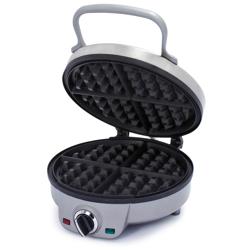
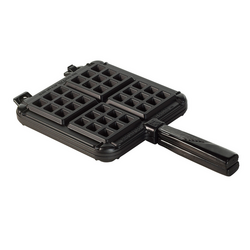
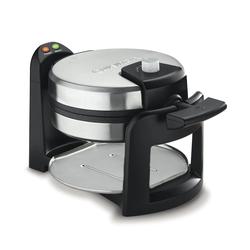
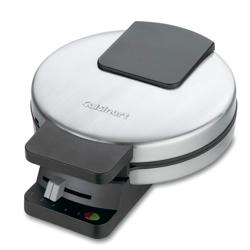
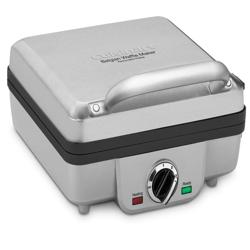
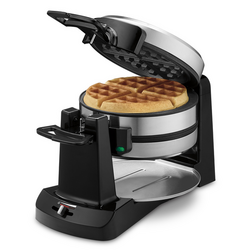
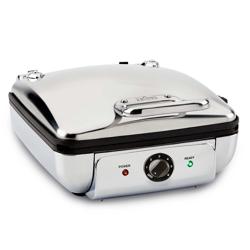
Waffle makers bring the pleasure of a crisp-edged, golden breakfast into an everyday kitchen, whether the plan is a quick meal before work or a leisurely brunch with friends. The appeal starts with the contrast: a lightly crisp exterior, a tender center and little pockets that catch melted butter, maple syrup or a spoonful of berries. Different cooking plate designs create different results. Deeper grids produce thick waffles with generous wells for toppings, while shallower grids make thinner waffles that are easy to stack, portion and tuck into the freezer for another morning. Round and square shapes each have their place at the table; the more useful distinction is often how much batter the cooking surface holds and how many servings it can turn out at once. A smaller waffle maker can suit someone cooking for one or two, while a larger cooking surface may help keep breakfast moving when several people are ready to eat. Beyond shape and size, the controls influence how comfortably a waffle maker fits into a routine. Adjustable browning settings can accommodate a preference for lightly golden waffles or a darker, crisper finish. Indicator lights and audible signals, when included, help communicate when the appliance is ready for batter or when a cooking cycle is complete. Depending on the design, a rotating mechanism may help distribute batter across the plates, though consistent results still depend on the recipe and the amount added. These details matter most in familiar moments: pouring the next batch while coffee brews, sharing topping bowls across the table or making enough waffles for a few breakfasts ahead. A waffle maker does not need to turn breakfast into a project. A design that suits the household’s appetite, counter space and preferred waffle texture can make it a useful part of the regular cooking routine, with room for everything from a simple butter-and-syrup breakfast to a plate piled with sliced bananas and toasted pecans.
Materials, construction and care all contribute to how a waffle maker feels to use over time. Nonstick cooking plates help release the waffle’s patterned surface without pulling apart its delicate edges, and they can make the small grooves easier to clean once the appliance has cooled. That coating still benefits from gentle handling. Wood, silicone or other utensils approved by the manufacturer are better suited to lifting waffles than metal forks or knives, which can scratch the cooking surface. Exterior materials serve a different purpose. Stainless steel housings can coordinate with other countertop appliances, while molded exterior components may help reduce overall weight; neither appearance nor heft alone tells the whole story of durability. A stable base, a securely attached handle and a hinge that moves smoothly are practical details that support comfortable everyday use. Fit matters beyond the appliance’s listed footprint, too. The lid needs clearance to open beneath cabinets, and rotating designs need room to move without bumping a nearby coffee maker or utensil crock. For kitchens where the waffle maker lives in a cupboard between breakfasts, its weight and storage position deserve consideration. Upright storage is useful only when the appliance is designed for it, and a cord wrap can help keep a shelf tidy without leaving a loose cord caught beneath other equipment. Cleanup is another part of that everyday fit. Removable plates, when included, can simplify access to the cooking surface, but dishwasher care should always follow the manufacturer’s directions. Fixed plates generally call for careful wiping rather than soaking, and the electrical base should never be immersed in water. Allowing the appliance to cool before cleaning, removing crumbs with a soft brush and avoiding abrasive scrubbers help protect its finish. Cooking sprays and oils also deserve a check against the care instructions, since some can leave residue on nonstick surfaces. These habits make it easier to put the waffle maker away clean and ready for its next use.
The best reason to make room for a waffle maker is the range of meals it can support without requiring a completely different approach to breakfast. A classic buttermilk batter offers a familiar starting point, with enough tang to balance sweet toppings and a texture that welcomes everything from peach preserves to a dollop of plain yogurt. Whole-grain recipes can bring a nuttier flavor, while recipes developed for gluten-free flours offer another direction when they suit the household’s needs. Batter consistency and cooking time vary, so recipes intended for a waffle maker are a more dependable starting point than assuming every pancake batter will behave the same way. A modest amount of finely chopped fruit or nuts can add variety when the recipe allows, but an overloaded grid is more likely to spill and leave sticky edges to clean. Savory waffles belong in the mix as well: cheddar and chive waffles alongside eggs, for example, or a cornmeal waffle topped with beans and avocado. For a relaxed gathering, a few thoughtfully chosen toppings let everyone build a different plate without requiring several separate entrées. Waffles also lend themselves to planning ahead. Once cooled, they can be frozen with separators between portions and reheated until hot and crisp, making a homemade batch useful beyond the morning it was cooked. For gifting, a waffle maker can be a thoughtful match for a first apartment, a housewarming or someone who enjoys hosting breakfast, especially when the appliance’s size and care needs suit the recipient’s kitchen. Cooks who enjoy exploring other everyday cooking techniques can also browse the
Wok Under $100 collection for inspiration beyond breakfast. For the morning meal, though, the appeal remains wonderfully straightforward: freshly cooked waffles, toppings passed around the table and an appliance that earns its place through meals people look forward to sharing.