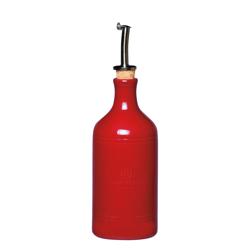
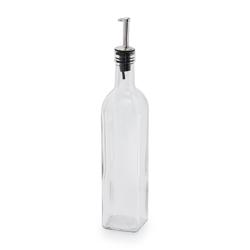
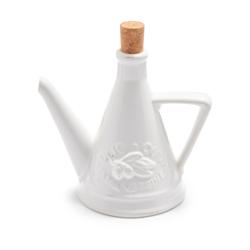
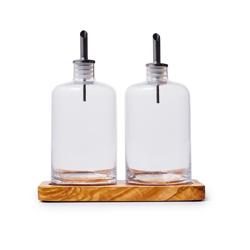
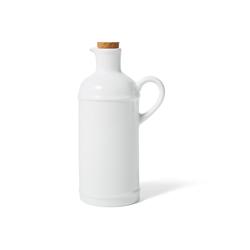
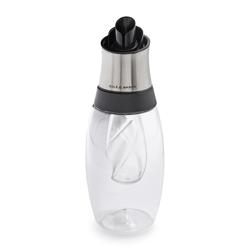
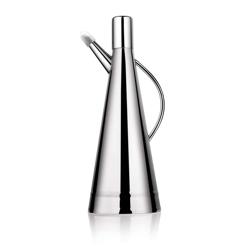
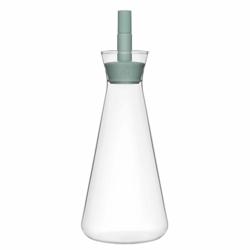
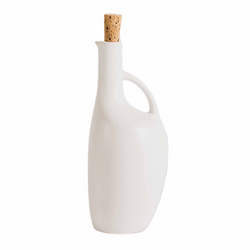
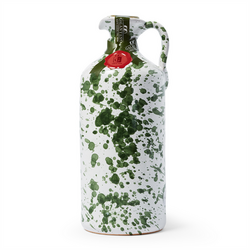
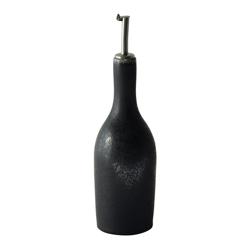
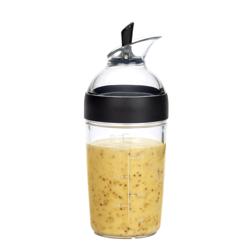
Wedding registry oil cruets bring everyday usefulness and a thoughtful finishing touch to a couple’s kitchen. Designed to hold and pour cooking or finishing oil, these vessels make it easier to drizzle olive oil over a salad, coat vegetables before roasting or add a final ribbon of flavor to soup. Their appeal is simple: a bottle that feels comfortable in the hand and looks at home on the table earns its place well beyond the wedding celebration. For couples setting up a first kitchen, an oil cruet can become part of a dependable daily routine. For those combining households, it offers a chance to choose a shared style for something they reach for often. A single vessel suits a favorite everyday olive oil, while separate oil and vinegar cruets keep two frequently used ingredients together without mixing them. A coordinating tray or stand can help contain stray drops and make the pair easier to carry from the kitchen to the dining table. The right choice depends less on how formal a kitchen looks than on how the couple likes to cook and eat. Someone who prepares most meals at home may appreciate a comfortable grip and enough capacity for frequent use; someone who mostly uses oil to finish dishes may prefer a smaller bottle that is easy to pass around. At the table, a cruet lets each person dress greens, season a plate of beans or pour a little oil alongside bread without handling a large storage bottle. Its shape and finish can complement everyday dinnerware without needing to match every piece. Wedding registry oil cruets also make meaningful gifts for couples who enjoy cooking together, hosting friends or turning a simple meal into an occasion. Paired in purpose with serving bowls, linens and
Wedding Registry Glasses, they help create a table that feels considered but comfortable, with practical pieces ready for both a quiet dinner and a fuller gathering.
Material influences an oil cruet’s appearance, weight and suitability for daily use. Clear glass makes it easy to see how much oil remains, which is helpful when a recipe calls for several tablespoons and the bottle is nearly empty. It also gives the table a light, uncluttered look. Because light can affect oil quality, a clear glass cruet is better kept in a dark cupboard between meals than left in a sunny spot. Dark glass reduces light exposure, while opaque ceramic, stoneware and stainless steel shield the contents from light. None of these materials replaces the need to store oil away from the heat of a stove or direct sunlight. Ceramic and stoneware bring color, texture and a pleasing sense of weight to a counter or table; food-safe glazed interiors suitable for oil storage are an important consideration. Stainless steel offers a streamlined appearance and resistance to breakage, although an opaque body makes the remaining oil level harder to judge. Glass and ceramic can chip or break if knocked against a sink, so the couple’s habits matter as much as the finish. A stable base is useful on a busy prep surface, and a handle or gently narrowed body can make a vessel easier to hold securely. Capacity should suit how quickly the oil will be used rather than simply maximize the amount stored. A cruet holding around 12 to 16 fluid ounces may feel manageable for regular cooking, while a smaller vessel can suit occasional table service or an oil used sparingly for finishing. Physical fit matters, too: a tall spout needs clearance beneath a shelf, and a wide body takes more room on a compact counter. For couples with limited storage, a cruet that moves easily between food preparation and table service can serve both purposes without adding another piece to put away. Balanced proportions, a secure closure and a comfortable pouring angle often make a greater difference to everyday satisfaction than decorative details alone.
The pouring spout is where an oil cruet’s design becomes especially noticeable. A narrow opening can help deliver a controlled stream across sliced tomatoes or toasted bread, while a faster pour may be more convenient for coating a pan or filling a measuring spoon. Flow depends on the oil, the angle of the bottle and the spout design, so a cruet is best understood as a pouring tool rather than a precise measuring device. A well-shaped lip or drip-reducing spout helps limit oily trails down the side, although an occasional wipe may still be needed. Protective caps help keep dust out, and a closure that seals well between uses helps reduce exposure to air. A removable stopper or spout can make both refilling and cleaning easier, especially when the opening is wide enough to access with a suitable bottle brush. Narrow-necked designs may benefit from a small funnel to keep oil off the exterior during refills. Care requirements vary by material and construction: some bodies are dishwasher safe, while others need hand-washing, and spouts, seals or decorative finishes may have separate instructions. Following the manufacturer’s care directions helps preserve both the vessel and its pouring performance. Thorough drying is important before adding fresh oil, including inside the neck and around any removable parts. Rather than repeatedly topping off old oil, allowing the cruet to empty and cleaning it before refilling helps prevent stale residue from affecting the next batch. Oil cruets are generally intended for plain oils; fresh garlic or herb infusions require separate food-safety precautions and should not be treated as ordinary countertop oil. These small practical details give couples a clearer sense of how a cruet will fit their routines. For a wedding gift, lasting appeal comes from that fit: a bottle that pours neatly during dinner preparation, sits steadily beside a serving platter and cleans without unnecessary fuss. Chosen with the recipients’ cooking habits and table style in mind, an oil cruet becomes a useful part of meals shared long after the wedding day.