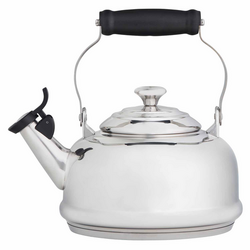
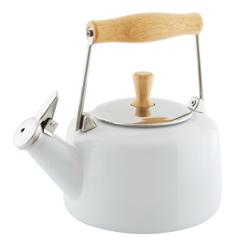
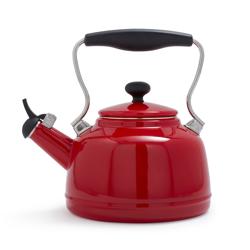
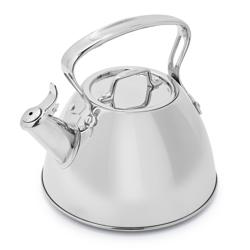
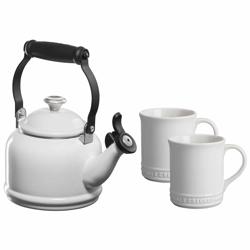
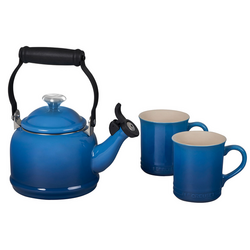
Whistling tea kettles are stovetop vessels that heat water and use escaping steam to sound an audible alert when it boils. Unlike a teapot, which holds tea while it steeps, a kettle is designed for heating water before it is poured over tea leaves, coffee grounds or other ingredients. That familiar whistle makes a simple task easier to follow, whether breakfast is coming together or a pot of tea is next on the table. Materials, capacity and handling all shape how a kettle fits into that routine. Stainless steel is a common choice for its durability, corrosion resistance and clean appearance. Enamel-coated steel offers a smooth, colorful exterior with a more traditional look, though the coating needs protection from chips and sudden temperature changes. A kettle’s base construction also matters: some designs incorporate layers of metal to help distribute heat, while others rely on a simpler steel body. The right choice depends less on appearance alone than on how the kettle will be used and cared for. A broad base can provide steady contact with a suitable burner, while a well-fitted lid helps contain steam so it can travel through the whistle. Handle shape deserves just as much attention as the body. A rounded grip, room for the fingers and a comfortable distance from the lid can make a full kettle easier to lift. Handle materials vary, and even handles described as heat resistant may become hot under certain conditions, so the manufacturer’s handling directions matter. The spout should support a controlled pour into a narrow mug as comfortably as into a larger teapot. A whistle cap that opens with a lever or button may offer a different grip experience than one that must be lifted separately. For anyone who makes tea every day, these small details become part of the pleasure of using a kettle rather than details noticed only on its first outing.
The best fit for a kitchen starts with the stovetop and the amount of water usually needed. Whistling tea kettles are not universally compatible with every cooking surface, so the listed heat-source compatibility is essential, especially for induction ranges, which require a suitable magnetic base. A flat, smooth bottom is also important on glass cooking surfaces, where lifting rather than sliding the kettle helps protect the cooktop. On a gas range, a flame that stays beneath the base helps limit excess heat around the sides and handle. Capacity should reflect everyday habits: a smaller kettle can suit a single mug or a compact kitchen, while a larger one may be more practical for shared breakfasts, several cups of tea or a full French press. The stated capacity and the recommended working fill level are not always the same, so maximum-fill markings take priority. Leaving the required space above the water allows steam to move through the spout properly and helps prevent hot water from sputtering out. Just as important, the kettle should never be heated empty or allowed to boil dry. The whistle is a reminder to turn off the heat, not an automatic shutoff or a reason to leave the stove unattended. Once the water boils, a steady grip and a pour directed away from hands help keep steam out of the way. Different drinks benefit from different water temperatures, so a whistling kettle works well for more than tea prepared with freshly boiled water. Black tea and many herbal infusions commonly call for water near boiling, while green and white teas often benefit from cooler water according to their brewing instructions. A separate thermometer can help when precision matters. Pour-over coffee, instant oatmeal and a quick cup of broth are other everyday uses for the hot water. Keeping the kettle for water rather than heating milk, soup or tea leaves inside it makes cleanup simpler and helps prevent residue from interfering with the spout or whistle.
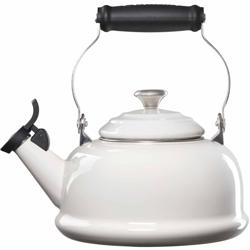
Because a stovetop kettle often stays in view between uses, its finish and proportions can contribute as much to the kitchen as its whistle. A
white whistling tea kettle can complement pale countertops, natural wood and patterned mugs without competing with them, while polished metal offers a familiar look alongside stainless steel cookware. The most useful design is still one that fits the space: enough clearance beneath a low shelf, a footprint suited to the burner and a lid opening that allows comfortable filling and cleaning. A larger opening can make it easier to reach the interior, and an accessible spout or whistle assembly can simplify care when the manufacturer permits cleaning those parts. Regular maintenance helps preserve both appearance and function. Emptying leftover water after the kettle has cooled and drying the interior as directed can reduce standing moisture and mineral buildup. Hard water may leave pale deposits inside the body or around the spout; descaling with a manufacturer-approved method helps remove them without damaging the finish. Mild soap and a soft cloth are generally gentler on the exterior than abrasive pads, and dishwasher use should depend on the kettle’s care instructions rather than its material alone. Enamel benefits from careful handling around sink edges, while stainless steel looks its best when water spots are wiped away. For a gift, these practical details help make the choice personal. A comfortable, manageable kettle can suit someone setting up a first kitchen, a frequent tea drinker or a coffee enthusiast who enjoys preparing each cup by hand. Pairing the idea with the recipient’s cooking surface, usual batch size and preferred kitchen style matters more than choosing the largest capacity. The result is a useful addition to an everyday ritual: water heating on the stove, a familiar whistle and a favorite cup ready nearby.