-
(195)
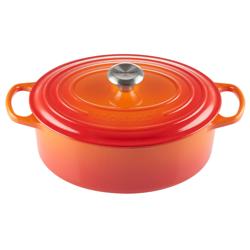
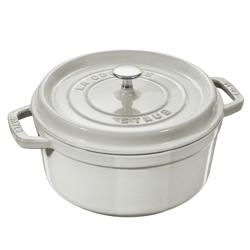
A traditional French cooking vessel made of durable cast iron, perfect for stews, soups, and roasts.
Pros: versatility, color, durable
-
(74)
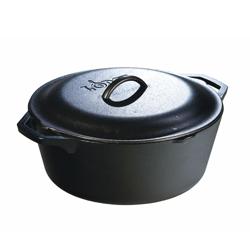
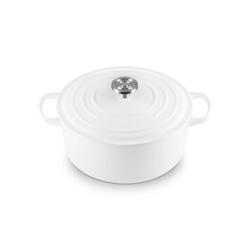
A 7.25 qt. white Dutch oven made of cast iron for slow cooking and baking.
Pros: durability, versatility, color
-
(6)
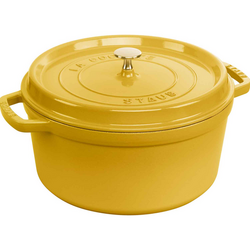
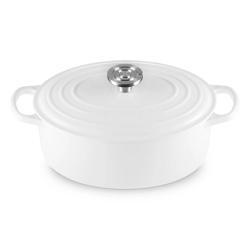
A white cast iron Dutch oven ideal for slow cooking, simmering, and baking with excellent heat retention.
Pros: meets expectations, heat retention, durability
-
(43)
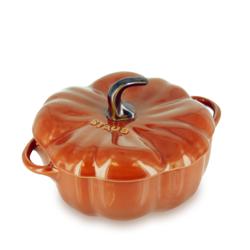
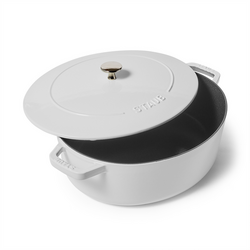
A 6.25 qt. cast iron Dutch oven with self-basting lid and ceramic base suitable for all cooking surfaces.
Pros: appearance, quality, size
-
(41)
A white enameled cast iron Dutch oven that delivers steady, even heat for versatile everyday cooking.
Pros: 6.5-quart capacity, depth, appearance
White Dutch Oven
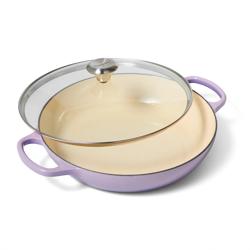
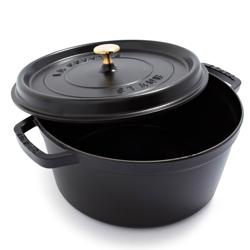
A Dutch oven is a classic piece of kitchen equipment. It's a versatile cooking vessel that can be used to make stews, soups, and even desserts. It's also easy to clean and maintain. White Dutch ovens are becoming increasingly popular as they offer a stylish and timeless look that can be used to enhance almost any kitchen decor. Here are some great options.
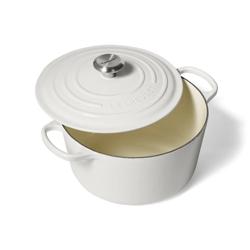
White Dutch Oven
FAQ List
A Dutch oven is a heavy, lidded pot that is typically made of cast iron or ceramic. It is used for a variety of cooking tasks, including braising, stewing, and roasting.
A white Dutch oven is not only functional but also adds a pop of color to your kitchen. It's also great for monitoring browning and caramelization of food.
Yes, a white Dutch oven is designed to be used on the stovetop and in the oven. Its heavy lid traps moisture and heat, making it perfect for braising, roasting, and baking.
A white Dutch oven can be cleaned with warm soapy water and a soft sponge. Avoid using abrasive cleaners or steel wool, as they can damage the enamel coating.
The size of the white Dutch oven you should buy depends on the number of people you typically cook for and the types of meals you like to make. Dutch ovens come in a range of sizes, from small to extra-large.
-
"Best purchase! Evenly cooks our food and maintains it hot for longer. Easy to clean"
-
"I love it! Size and color are perfect for me. It helps me a great cooker"
-
"Have made numerous batches of the best chili I have ever had. Must be the the Dutch Oven"
-
"This is by far the best dutch oven I've had thus far. The heat distribution is second to none"
-
"Not only is this ver versatile but it's also a GREAT decoration. Love it"