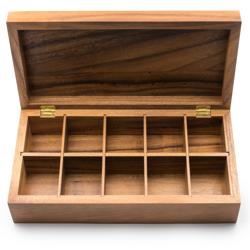
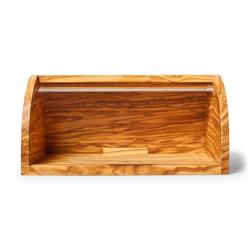
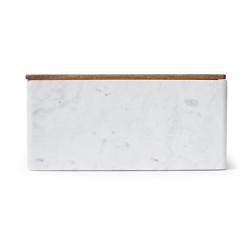
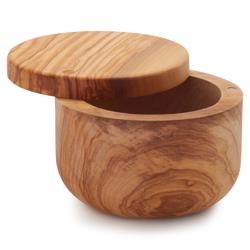
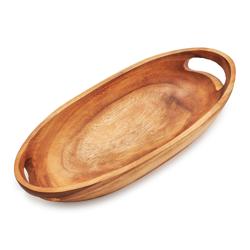
A wooden box is a versatile container for storage, display, gifting and creative projects. Depending on its design, it may be a slatted crate for organizing shelves or heavier items, a hinged keepsake box for treasured belongings or a finished decorative box that brings warmth to a tabletop. Open crates are useful when you want to see what is inside at a glance—think folded linens, pantry staples, gardening supplies or craft materials—while lidded boxes keep smaller items contained and protected from dust. A compact wooden box can give jewelry, keys, recipe cards or photographs a dedicated home, and a larger memory chest can hold letters, children’s artwork and other pieces that are too meaningful to tuck away in an ordinary drawer. Wooden boxes also work beautifully in everyday rooms: on an entryway console for incoming mail, on a desk for charging cords or in a guest room for extra toiletries. Their natural grain adds a grounded, tactile quality that blends easily with both traditional and modern spaces. During the warmer months, an open box can help gather picnic accessories, napkins or gardening tools; as the weather turns cooler, it can corral fire-starting supplies, seasonal linens or the small comforts that tend to collect near the kitchen and living room. The best choice depends on what you plan to store, how often you need to access it and whether the box should quietly organize a space or make a decorative statement.
Start with the intended use, then consider size, construction and finish. Measure the shelf, drawer or countertop where the wooden box will live, leaving enough room to lift a lid or remove a crate without shifting everything around it. A shallow box is well suited to flat items such as photographs, stationery and serving pieces, while a deeper box can hold fabric, toys or tools. If you plan to store anything with weight, look for sturdy corners, a solid base and handles that feel secure when lifted. Slatted crates allow airflow and make it simple to identify contents, but they offer less protection from dust than a closed box. Hinged keepsake boxes are especially helpful for items that need to stay together, and a reliable hinge and smoothly closing lid make a noticeable difference in daily use. Consider the wood itself, too. Pine is a light-colored softwood with a casual character and is often chosen for storage or do-it-yourself projects. Hardwoods such as maple and walnut generally offer a denser feel and more pronounced durability, while mango wood brings varied grain and an organic, handcrafted look. An unfinished wooden box is a blank canvas for painting, staining, decoupage or woodburning. It can become a thoughtful afternoon project for a beginning crafter, a classroom activity or a personalized container for a child’s treasures. Finished boxes require little more than occasional dusting, while unfinished wood may benefit from careful handling and a protective finish suited to the project. In every case, avoid storing damp items inside wood unless the box is specifically designed for that purpose, and keep wooden pieces away from prolonged moisture or direct heat to help preserve their shape and finish.
Wooden boxes make memorable gifts because they can be useful immediately and meaningful for years. A small lidded box suits someone moving into a new home, setting up a first office or creating a more orderly bedside table. A decorative box can hold a handwritten note, favorite tea sachets or another small surprise, then remain in use long after the occasion has passed. For weddings, anniversaries, graduations and new babies, a keepsake box offers a natural place for invitations, photographs, cards and other reminders of an important day. An unfinished box is a thoughtful choice for the maker in your life, especially when paired with paint, brushes or a personal idea for its final design. Consider the recipient’s style when choosing wood and finish: a simple grain feels at home in a relaxed kitchen, while a polished or carved surface can suit a more collected room. Gift-givers who appreciate useful craftsmanship may also enjoy exploring
Handmade Wooden Gifts for pieces with a personal, artisanal feel. At home, use wooden boxes to create small moments of order: place one near the front door for keys and sunglasses, another on a work surface for everyday tools and a lidded box in a bedroom for private keepsakes. There is something satisfying about opening a well-made box and finding exactly what belongs inside—the soft scrape of a lid, the scent of natural wood and a clear surface where clutter used to gather. Choose a wooden box with enough room for the items you own now, a construction suited to the weight and frequency of use and a finish you will enjoy seeing every day.