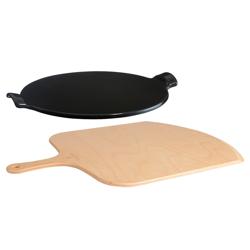
Aluminum pizza peels are lightweight metal paddles used to transfer pizza into a hot oven, reposition it during baking and lift it out when the crust is ready. Their thin blades slide beneath baked dough with less bulk than a wooden paddle, making them especially useful for retrieving pizzas from a baking stone, baking steel or pizza oven floor. For home cooks, that means a little more control at the moment when bubbling cheese and a browned crust need your full attention. Aluminum also keeps the tool relatively light for its size, a welcome quality when you’re making several pizzas for a family dinner or carrying a generously topped pie from the counter to the oven. Unlike raw wood, aluminum does not absorb moisture or require seasoning, though the handle material and any surface treatment will affect how the whole peel should be cleaned and cared for. The appeal is practical: a broad surface supports the pizza, a slim leading edge helps get underneath it and a handle gives you room to work outside the oven opening. Aluminum pizza peels suit everyone from the cook adding pizza night to the dinner rotation to the enthusiast who has spent weekends fine-tuning dough fermentation. They’re useful during the cooler months, when a hot oven and the smell of toasted flour make the kitchen a natural gathering place, but their usefulness extends well beyond the season. Picture a few rounds of dough on the counter, bowls of mushrooms and grated cheese within reach and everyone waiting for the first slice. A peel that fits your oven and feels balanced in your hand helps keep that familiar scene relaxed. If you’re comparing materials and shapes, the broader
Pizza Peel assortment offers a place to consider which style best matches the way you bake. Aluminum is particularly worth considering when low weight, a thin blade and straightforward upkeep are high on your list.
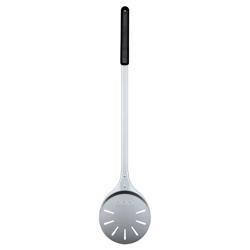
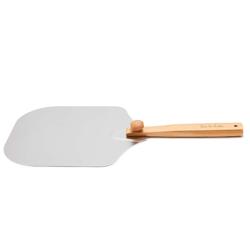
The most useful aluminum pizza peel is one that fits both your pizzas and the space where you cook. Blade width matters because the dough needs enough support for the trip to the oven, but a wider paddle isn’t automatically a better choice. It must pass comfortably through the oven opening, and you’ll need room to maneuver it over the baking surface. Check blade dimensions separately from overall length; a peel that looks compact in a photograph can take up considerable space once its handle is included. For a conventional kitchen oven, a shorter handle may be easier to control and store, while a deeper outdoor pizza oven may call for greater reach. A longer handle gives you more distance from the oven opening, but it also needs clearance behind you, especially in a narrow kitchen or a crowded cooking area. Handle shape, grip material and the strength of the connection between handle and blade are worth considering alongside size. Balance matters most when the blade is carrying dough and toppings rather than sitting empty. Solid and perforated blades offer different advantages, too. A solid aluminum blade provides a continuous working surface and keeps flour from falling through onto the counter. A perforated blade allows some loose flour to shake free before the pizza enters the oven, which can help reduce the amount of excess flour that scorches on the baking surface. Perforations also reduce blade weight, though their edges and openings require attention during cleaning. Neither style makes raw dough completely resistant to sticking. A broad rectangular blade is useful for supporting an uncooked pizza during launch, while a smaller round blade is generally better suited to turning a pizza inside an oven with room to maneuver. Think about which task you want the peel to handle most often. Thickness and construction deserve a look as well: a thin edge helps with access beneath a crust, while sufficient rigidity helps keep the loaded blade steady. For storage, a hanging hole or removable handle can be helpful if that feature is available and suits your space.
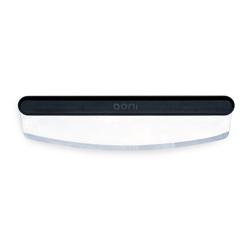
Living with an aluminum pizza peel is mostly about finding a comfortable rhythm. Raw dough can cling to metal more readily than to wood, particularly when the dough is wet or sits on the blade too long. A light dusting of flour or fine semolina, efficient topping and a gentle check that the dough moves freely before approaching the oven can make launching easier. More flour isn’t always the answer; excess flour can burn and leave bitter flavors behind. For cooks who enjoy taking their time arranging toppings, a wooden peel for launching and an aluminum peel for turning and retrieving can be a useful pairing. Others prefer one aluminum paddle for the whole process and get comfortable working quickly. Either approach leaves room for the pleasures of homemade pizza: a spare scattering of mozzarella, the earthy smell of roasted mushrooms or a crisp edge that crackles when sliced. Aluminum peels can also help move some free-form breads and flatbreads, provided the blade supports them and the tool is appropriate for the oven. They are handling tools, not baking trays, and shouldn’t be left inside a hot oven. Follow the manufacturer’s temperature and use instructions, and use appropriate heat protection when working near hot surfaces. Cleanup is usually uncomplicated, but aluminum isn’t automatically dishwasher safe. Hand-washing with mild soap and drying thoroughly is often the recommended approach; harsh dishwasher detergents can discolor aluminum, and wood handles need their own care. Avoid cutting pizza directly on the blade, which can scratch the surface and damage a knife’s edge. As a gift, an aluminum pizza peel makes sense for someone who already loves baking, has added a pizza oven to the patio or regularly hosts casual dinners. Match it to the recipient’s oven and preferred pizza size rather than choosing the largest option. Paired with a pizza cutter or a few useful baking accessories, it’s a thoughtful addition to a routine they already enjoy, with plenty of opportunities to bring people around the table.