-
(9)
A dense, sweet balsamic vinegar with fruity aromas, perfect for meats, fish, cheese, and fruit.
Pros: flavor, good quality, efficiency
-
(16)
A versatile, award-winning balsamic vinegar with a rich bouquet and perfect sweet-sour balance.
Pros: taste, quality, wonderful flavor
-
(12)
A vibrant, limited edition balsamic vinegar with a rich aroma, perfect for drizzling over various dishes.
Pros: taste, quality, flavor
-
(11)
A heavenly aged balsamic vinegar from Italy with a rich, woody flavor and notes of dark cherry.
Pros: taste, versatility, sweetness
-
(10)
A heavenly aged balsamic vinegar from Italy with a rich, woody flavor and notes of dark cherry.
Pros: taste, good quality, effectiveness
-
(4)
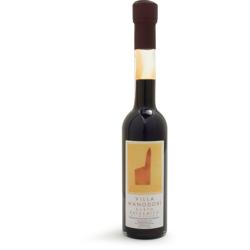
A medium-bodied purple balsamic vinegar with a tart yet slightly sweet flavor, bottled in glass.
Pros: versatility, enhances dishes, tangy
-
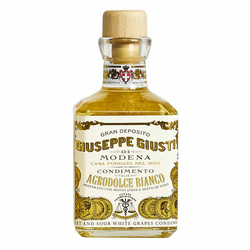
(3)
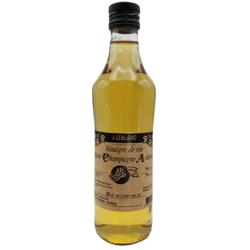
A light and fruity white balsamic vinegar condiment from Giuseppe Giusti, perfect for salads and seafood.
Pros: quality, great in salad dressings, delicious
-
(83)
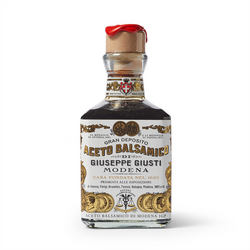
A full-bodied, woody aged balsamic vinegar from Italy with notes of dark cherry. Perfect for marinades and dressings.
Pros: versatility, taste, quality
-
(4)
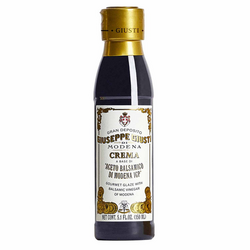
A rich, velvety balsamic vinegar with hints of chocolate and figs, perfect for sweet and savory dishes.
Pros: versatility, enhances taste of salad, very good
Balsamic Vinegar For Cooking
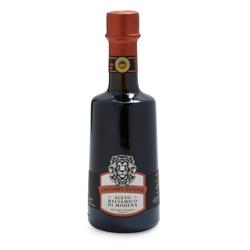
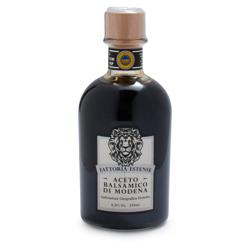
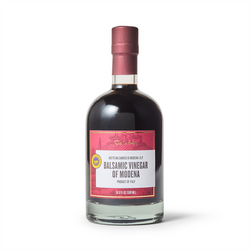
Balsamic vinegar is a versatile condiment that can be used in cooking. It is made from the juice of white grapes that have been cooked and aged in wooden barrels for a period of time. Balsamic vinegar adds a sweet and tart flavor to dishes and can be used as a marinade, glaze, or dressing. Here are some great options.

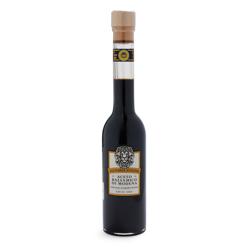
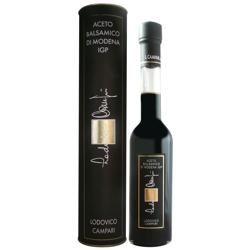
Balsamic Vinegar For Cooking
FAQ List
Balsamic vinegar is a type of vinegar made from grapes that are cooked down and then aged in wooden barrels. It has a sweet and tangy flavor that makes it a popular ingredient in many dishes.
Balsamic vinegar can be used in a variety of dishes, including salads, marinades, sauces, and even desserts. It's a versatile ingredient that adds a unique flavor to any dish.
When choosing a balsamic vinegar, look for one that has been aged for a long time. The longer the vinegar has been aged, the richer and more complex the flavor will be. You should also consider the acidity level and thickness of the vinegar, depending on how you plan to use it.
Balsamic vinegar is low in calories and contains antioxidants, making it a healthy choice for adding flavor to dishes. However, it's also high in sugar, so it should be used in moderation.
Balsamic vinegar has a long shelf life and can last for years if stored properly. However, if it's exposed to air or light, it can start to lose its flavor and quality over time. To ensure that your balsamic vinegar stays fresh, store it in a cool, dark place and use it within a year of opening.
-
"Works great with a little olive oil and salt and pepper for a simple salad dressing"
-
"Great on grilled salmon and in a tomato balsamic reduction"
-
"Works great with a little olive oil and salt and pepper for a simple salad dressing"
-
"The Best Balsamic vinegar"
-
"Love this so much, it?s light and bright and adds a delicate touch of acidity. I"