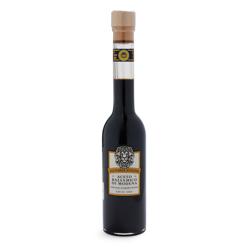
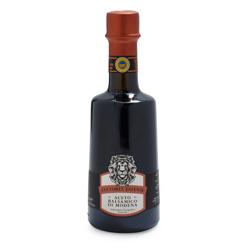
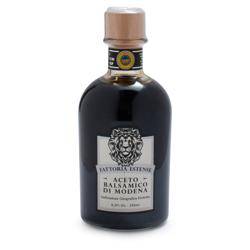
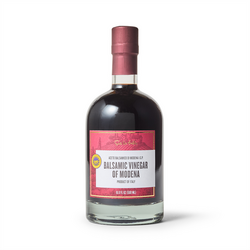
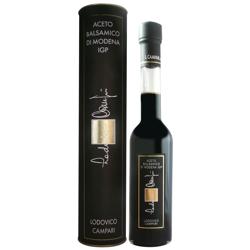
Balsamic vinegar of Modena brings a distinctive balance of sweetness, acidity and depth to the table, with flavors that can suggest cooked grapes, dried fruit and wood. Rooted in the food traditions of Italy’s Emilia-Romagna region, it is especially useful when a dish needs brightness without the sharper impression of a straightforward wine vinegar. Its character begins with grape must, the freshly pressed juice of grapes, which may be cooked or concentrated before being combined with wine vinegar. The proportions, maturation and production choices all influence how the finished vinegar tastes and pours. Some styles are lively and fluid, well suited to dressings and everyday cooking; others have a rounder texture and more pronounced sweetness that make a small finishing drizzle especially satisfying. For shoppers comparing labels, balsamic vinegar of Modena with an IGP designation, also expressed as PGI, carries a protected geographical indication tied to production in the Italian provinces of Modena and Reggio Emilia. This is distinct from traditional balsamic vinegar of Modena with a DOP designation, which follows different production rules, begins with cooked grape must and ages for at least 12 years. The distinction matters because the two are not interchangeable descriptions of the same process. Neither color nor thickness alone tells the whole story of a vinegar’s quality or age. A dark, syrupy appearance can reflect its composition and concentration, while a more fluid vinegar may offer the clean acidity needed for a balanced vinaigrette. Ingredient lists and stated designations provide a more useful starting point than appearance alone. Choosing well means matching that character to the food: enough acidity to stand up to olive oil, enough sweetness to soften bitter greens or enough concentration to finish a piece of cheese without overwhelming it. A balanced balsamic should contribute something recognizable while leaving room for the other ingredients on the plate. That flexibility helps explain its lasting place in kitchens where a single pantry ingredient needs to work across salads, cooked dishes and simple food served just as it is.
Everyday meals offer plenty of reasons to keep
balsamic vinegar for cooking close at hand. A brighter, more fluid style blends readily into olive oil for a dressing that clings lightly to arugula, shaved fennel or a bowl of white beans. Its sweet-tart balance also complements lentils, grains and vegetables, making it useful for cooks who want satisfying flavor without relying on a long list of ingredients. Roasted carrots, sautéed mushrooms and caramelized onions all welcome a little acidity to balance their deeper savory notes. With cooked vegetables, adding some balsamic near the end preserves more of its brightness; adding it earlier allows the flavor to mellow and mingle with the other ingredients. For pan sauces, a modest splash can help loosen browned bits before stock or another liquid is added. Because balsamic contains grape sugars, prolonged high heat can push it from pleasantly concentrated to bitter, so it rewards a gentler approach when used in reductions or brushed onto food near the end of cooking. A vinegar with noticeable acidity often makes more sense for these jobs than one chosen primarily for its rich finishing texture. More concentrated styles have their own place at the table, where a few drops can bring contrast to aged cheese, sliced tomatoes or simply prepared meat. Strawberries are another natural pairing: their fruitiness meets the vinegar’s grape character, while the acidity keeps the combination from tasting overly sweet. Even a small serving of vanilla ice cream can take on a different character with a restrained drizzle. Balsamic glaze is worth distinguishing from balsamic vinegar when considering these uses. A glaze is generally formulated or reduced for a thicker consistency and may contain added sweeteners or thickeners, so it does not always provide the same balance in a dressing or sauce. For the most useful match, consider whether the bottle will spend more time beside the stove, at the salad bowl or on the table. That intended use is a better measure of fit than assuming the thickest or sweetest choice is always the right one.
Balsamic vinegar of Modena also suits the way many people actually cook: a few dependable ingredients, familiar techniques and small adjustments made by taste. Someone preparing quick lunches may appreciate a vinegar that gives leftover grains and beans a little lift, while a cook who enjoys leisurely dinners may value a more rounded style for finishing individual plates. There is no need to reserve it for Italian recipes, although it pairs naturally with olive oil, hard cheeses and ripe tomatoes. Its balance can be equally helpful in a mustard dressing, a spoonful of pan sauce or a marinade for vegetables. For a food-loving friend, a host or someone building a pantry, balsamic vinegar makes a thoughtful gift because it offers room to experiment without requiring special equipment. Pairing it with olive oil or presenting it alongside a suggestion for a simple meal gives the recipient an easy place to begin. Practical details matter for regular use, too. A bottle that pours cleanly makes it easier to control small amounts, particularly when dressing delicate greens or finishing food directly on the plate. Keeping the cap and bottle neck clean helps prevent sticky buildup from the vinegar’s natural sugars. Follow the storage directions on the label; plain balsamic vinegar generally keeps well tightly closed in a cool, dark cupboard away from the stove and direct sunlight. Its acidity supports a long pantry life, though careful storage helps preserve its flavor and aroma after opening. Ingredient and allergen information is also worth checking, including sulfite declarations when relevant to the person using or receiving it. Ultimately, the most useful balsamic is one that earns a regular place in the kitchen rather than waiting untouched for an elaborate meal. A bowl of greens, a platter of vegetables or a few slices of cheese can be enough to show what it contributes: a measured touch of sweetness, a clear note of acidity and a fuller, more rounded finish.