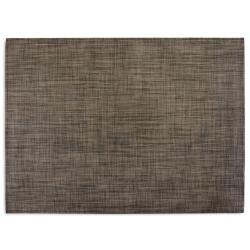
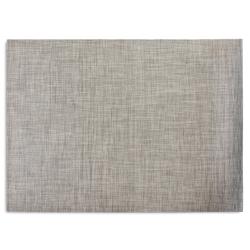
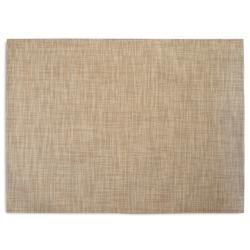
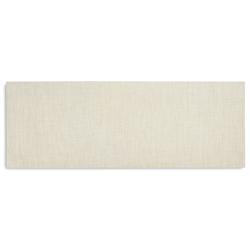
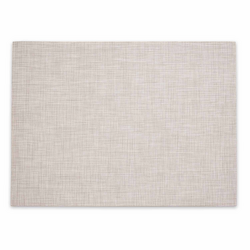
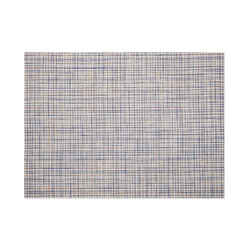
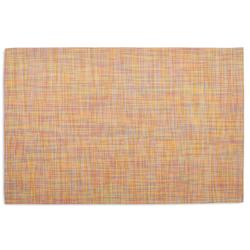
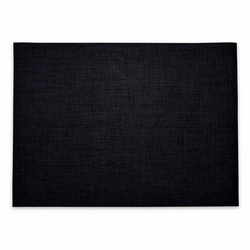
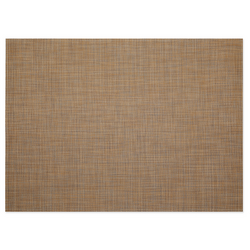
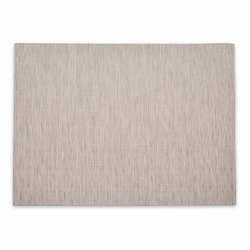
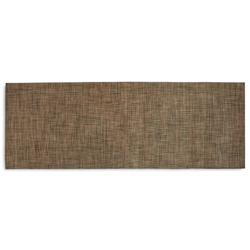
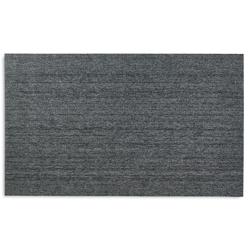
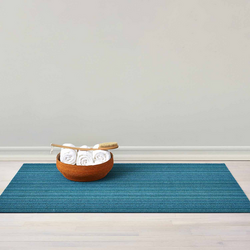
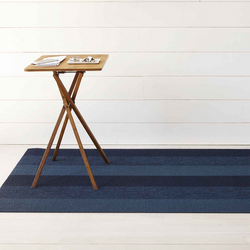
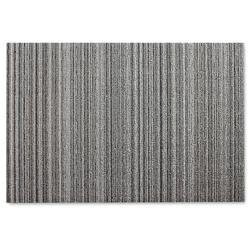
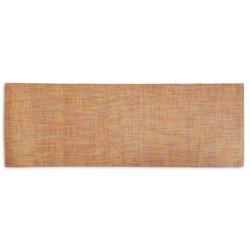
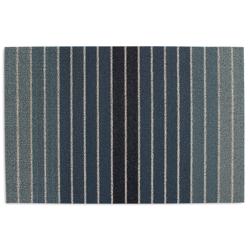
Basketweave outdoor floor mats bring a classic woven look to entryways, porches and patios while helping catch dirt before it travels indoors. Their appeal starts with the pattern: overlapping bands create a familiar over-and-under effect that adds texture without competing with nearby furniture, planters or door hardware. Depending on the construction, that pattern may be woven into the surface or formed as a raised design. The distinction matters because appearance alone does not tell you how a mat will feel underfoot, handle muddy shoes or respond to rain. Outdoor mats can be made from synthetic materials such as polypropylene, polyethylene or vinyl, as well as natural fibers such as coir. Synthetic constructions may offer easy rinsing and resistance to moisture, while coir provides a coarse surface for brushing dirt from soles and generally works best in a sheltered location. Performance varies with the fibers, backing and overall design, so the intended placement should match the manufacturer's recommendations. A mat beneath a deep porch roof has different demands than one beside an uncovered patio door exposed to wind-driven rain. For either setting, basketweave offers an understated way to make a hardworking area feel considered. A warm brown or sandy tone can sit comfortably against brick and wood, while gray or charcoal complements stone, concrete and painted trim. Subtle variations within the weave can soften the appearance of everyday dust, though any color will still need regular cleaning. The pattern also pairs easily with striped cushions, solid outdoor upholstery and simple ceramic pots, making it useful when the surrounding décor changes through the cooler months. At a front door, it creates a welcoming place to pause and wipe shoes; near a kitchen entrance, it helps define the transition between outdoor meals and the space where food is prepared. The result is a practical finishing touch that feels at home with both traditional and contemporary outdoor spaces.
Choosing a basketweave outdoor floor mat is as much about the doorway and daily routine as it is about color. A useful fit gives someone enough room to place both feet on the surface and wipe their shoes without stepping immediately off the edge. Measure the landing as well as the door opening, taking nearby steps, furniture and the direction of the door swing into account. Thickness deserves particular attention at an outward-opening door: a substantial texture may look inviting but interfere with clearance, while a lower-profile construction may fit more comfortably beneath it. Edges should lie flat, and the mat should rest fully on a level surface rather than extend over a step or threshold. In a busy household, those details matter when someone arrives carrying grocery bags, leads a dog inside or brings serving dishes back from the patio. Backing is another consideration, especially on smooth tile, painted concrete or sealed decking. A backing described as slip resistant may help limit movement under suitable conditions, but no mat can make a wet or icy entry reliably slip-proof. Check its compatibility with the surface underneath, since some backing materials can affect certain finishes or retain moisture against them. An open construction may allow water to pass through, while a dense or solid-backed design may behave differently; neither should be assumed to drain well based only on the basketweave appearance. For spaces where shape is the starting point,
Rectangular Woven Floor Mats offer a related look to explore alongside the proportions of a doorway or landing. Keep intended use in mind, too. A textured entry mat serves a different purpose from a cushioned standing mat or a larger outdoor rug beneath a seating arrangement. For a small balcony entrance, a compact footprint may be all that is needed, while a broader double-door entry may benefit from a wider surface that feels balanced with the architecture and accommodates regular foot traffic.
Regular care helps basketweave outdoor floor mats keep their texture visible and their surfaces useful. Loose grit, fallen leaves and bits of potting soil can settle into the pattern, so shaking out the mat or sweeping it gently is a good starting point when the care instructions allow. Vacuuming may suit some constructions, but coarse natural fibers or loosely woven surfaces can require a gentler approach. For washable synthetic mats, mild soap and water may be appropriate for removing muddy marks, followed by a thorough rinse; hose cleaning should be reserved for materials and backings specifically suited to it. Natural-fiber mats often need drier cleaning methods and protection from prolonged soaking. Whatever the construction, follow the manufacturer's directions rather than treating every outdoor mat as interchangeable. After wet cleaning or heavy rain, let the mat and the surface beneath it dry fully before putting it back in place. Lifting it periodically also makes it easier to remove trapped grit and check for dampness, discoloration or wear underneath. That small habit is especially useful at a shaded doorway where moisture can linger even after the rest of the patio looks dry. Durability depends on exposure as well as material: repeated sunlight, standing water, freezing conditions and heavy use can each affect a mat differently. Look for stated suitability for the conditions it will face rather than assuming an outdoor designation means it can remain outside in every kind of weather. Check for curling corners, frayed edges or a deteriorating backing over time, and replace a mat that no longer lies securely. For households that garden, entertain outdoors or regularly move between the kitchen and backyard, a well-chosen basketweave mat can make that everyday route easier to maintain. It can also be a thoughtful housewarming gift when the recipient's doorway dimensions, preferred colors and cleaning habits are known. A simple woven pattern is easy to coordinate, and matching the material to the setting gives the gift a purpose beyond appearance.