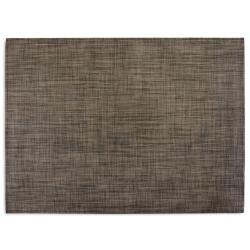
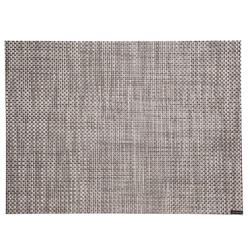
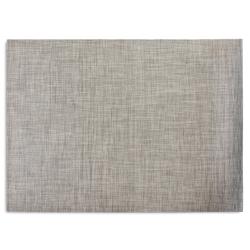
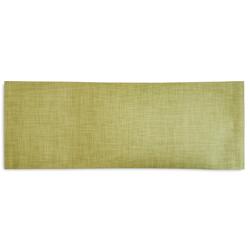
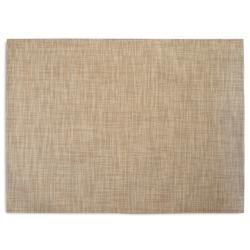
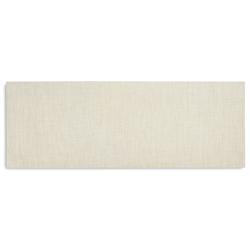
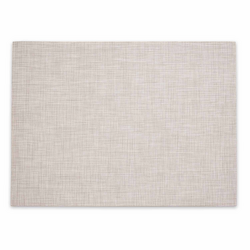
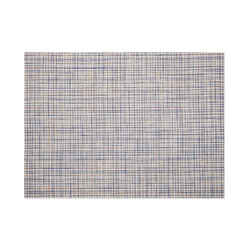
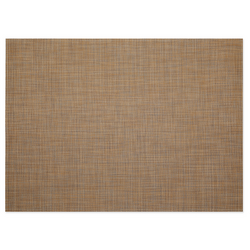
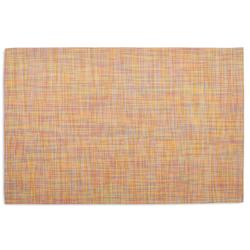
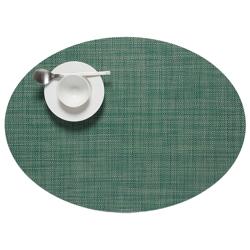
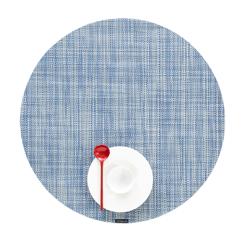
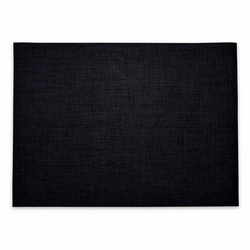
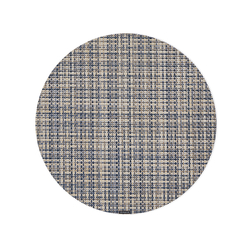
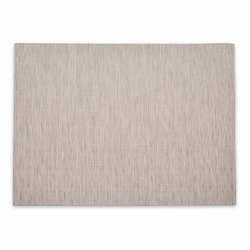
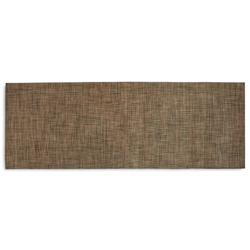
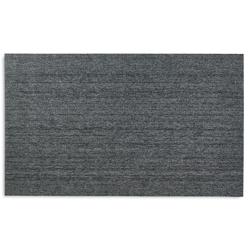
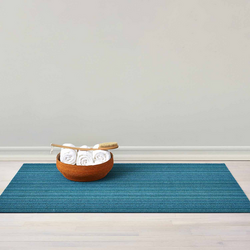
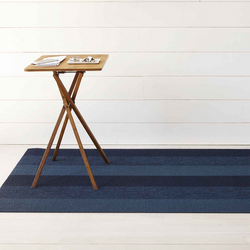
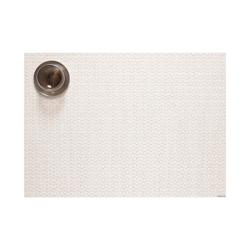
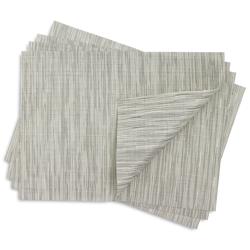
Premium basketweave mats are floor coverings with an interlaced woven pattern or a textured surface that recreates that look. Depending on their construction, they can provide a low-profile layer for everyday foot traffic or cushioned support in places where you stand to cook, wash dishes or prepare ingredients. The basketweave pattern brings subtle texture to a room without the visual busyness of a large print, making it easy to pair with wood cabinets, stone countertops and stainless steel appliances. Closely related tones give the weave a quiet, tailored appearance, while contrasting strands make its over-and-under structure more noticeable. That texture can soften the look of a kitchen filled with smooth, hard surfaces and help define a work area without covering much of the floor. Materials matter as much as appearance: woven vinyl and other synthetic yarns can offer a practical, cleanable surface, while cushioned mats may use foam, gel or a combination of materials beneath a basketweave-textured top. A woven surface is not necessarily padded, and a basketweave design does not automatically mean a mat is made from natural fibers. For a cook who spends an afternoon chopping vegetables or rolling out dough, a cushioned kitchen mat may make a standing station more comfortable. For a busy route between the kitchen and dining room, a flatter woven floor mat may be the better fit. Neither construction is inherently right for every space; the useful distinction is whether the priority is standing comfort, a low profile or decorative texture underfoot. During the cooler months, earthy neutrals and deeper shades can bring warmth to a room while remaining easy to live with throughout the year. A mat in a soft gray or warm brown can sit comfortably alongside everyday kitchen linens, seasonal greenery and a favorite wooden serving board. The most successful choice feels like part of the room rather than an accessory that needs everything around it to change.
Fit starts with the space where the mat will actually be used, not simply the dimensions of the room. In front of a sink, there should be enough coverage to stand naturally while rinsing produce or loading the dishwasher, without an edge landing directly beneath your feet. Along a prep counter, a longer mat can accommodate small movements between a cutting board and a mixing bowl, provided it does not extend into a doorway or create an obstacle in a walkway. Measuring the intended footprint and marking its corners with removable tape can make the proportions easier to judge before choosing a size. Check the tape in an inconspicuous spot first to protect the floor’s finish. Also account for doors, low drawers and appliances that need clearance: a plush mat that feels comfortable underfoot may be too thick beneath an opening dishwasher door. Flat-woven mats generally have a slimmer profile, while cushioned anti-fatigue mats need enough depth to provide their intended support. Look at the edge construction as well as the center thickness, since a gradual, beveled edge can make the transition from floor to mat less abrupt. Backing deserves equal attention. A slip-resistant backing can help reduce movement, but its performance depends on the mat, the flooring and keeping both surfaces clean and dry. Confirm that the backing is appropriate for the floor’s material and finish, especially on hardwood or other surfaces with specific care requirements. For spaces beyond the kitchen, intended use becomes particularly important. A basketweave mat suited to an indoor work area is not necessarily designed for rain, direct sunlight or changing temperatures. For a porch, patio doorway or outdoor serving area,
Basketweave Outdoor Floor Mats offer a relevant category to explore, with each mat’s outdoor-use and care information determining the best placement. Covered locations can still experience windblown moisture and sunlight, so verify exposure limits rather than assuming that shelter alone makes an indoor mat suitable. Wherever it goes, leave enough clear floor around the mat for comfortable movement and make sure it lies flat.
Everyday care helps preserve both the appearance and performance of a premium basketweave floor mat. Crumbs, flour and tracked-in grit can settle into a textured surface, so regular removal is more useful than waiting until the weave looks visibly dirty. Depending on the construction, care may involve vacuuming with a suitable attachment, gently brushing away loose debris or wiping the surface with a soft cloth. Follow the manufacturer’s instructions before using a vacuum’s rotating brush, soaking the mat or applying a cleaning solution. Mild soap and water may be appropriate for some synthetic surfaces, but a wipe-clean top does not necessarily mean the entire mat can be submerged, machine washed or cleaned with steam. Blot spills promptly and clean beneath the mat as well as on top, allowing the floor and backing to dry fully before replacing it. This is especially helpful near a sink, where small splashes can collect unnoticed around the edges. Moisture resistance should not be confused with waterproof construction, and any stated resistance to mold or mildew does not replace routine cleaning and drying. Durability comes from the whole construction: the surface, edges and backing all have to suit the demands of the space. In a frequently used kitchen, look for care requirements that fit the household’s habits and a surface intended for regular traffic. Check periodically for curling corners, loose edges, cracks or a backing that no longer holds its position. A mat that shifts or no longer lies flat needs attention even if its pattern still looks good. For households that cook often, an easy-care basketweave mat can be a practical finishing touch that makes the work area more welcoming. It can also be a thoughtful housewarming gift or a useful gift for someone who enjoys baking, particularly when the recipient’s preferred colors, floor type and available space are known. A neutral pattern leaves room for personal style, but matching the construction to daily routines matters more than choosing a color alone. The right basketweave mat earns its place through a balance of texture, fit, manageable care and comfort suited to the way the space is used.