
-
(1356)
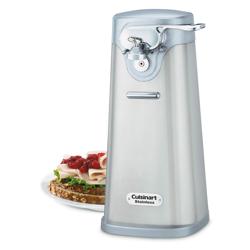
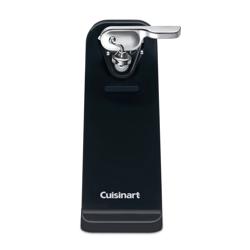
A sleek, silver can opener with a removable arm and magnetic lid holder for easy use and cleanup.
Pros: easy to use, durable, stainless steel
-
(17)
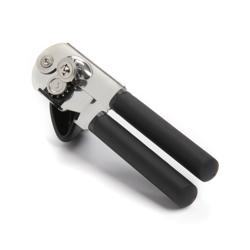
A comfortable and easy-to-use manual can opener with a built-in bottle cap opener.
Pros: effectiveness, quality, easy to use
-
(22)
A durable stainless steel can opener with a comfortable grip and built-in bottle opener.
Pros: easy to use, works well, reliable
-
(10)
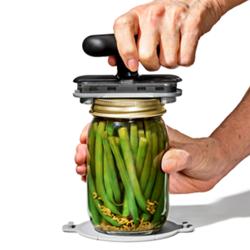
A non-slip twisting jar opener in black, designed to easily open stubborn twist-top jars.
Pros: effectiveness, ease of use, easy to use
-
(4)
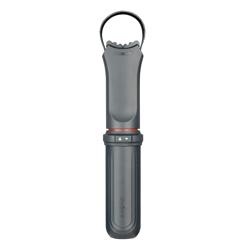
An adjustable gray jar opener with a rubberized band and locking mechanism for effortless, strain-free use.
Pros: effective, works on bottle tops, effective chopping
Best Can Opener For Seniors
As we age, everyday tasks in the kitchen can become more challenging. Opening cans, in particular, can be especially difficult for seniors due to decreased grip strength or arthritis. That's why finding the best can opener for seniors is essential to make meal preparation easier and more enjoyable. With a variety of features designed with comfort and ease of use in mind, these can openers are perfect for anyone looking to maintain their independence and continue cooking with confidence. Discover our selection of top-rated can openers that are not only functional but also cater specifically to the needs of seniors.

Best Can Opener For Seniors
FAQ List
When choosing a can opener for seniors, look for features like ergonomic handles, easy-to-use mechanisms, and magnetic lids that prevent accidents and make cleanup easier.
Yes, can openers designed for seniors are often suitable for individuals with arthritis. They are specifically designed to be easy to grip and require minimal effort to operate.
Absolutely! Can openers for seniors are designed to assist individuals with limited hand strength. Look for models with large, comfortable handles that are easy to grip.
Yes, a can opener for seniors can be a thoughtful and practical gift for older adults who enjoy cooking. It can help them maintain their independence in the kitchen and make meal preparation easier.
Yes, many can openers for seniors are designed for easy cleaning. Look for models with removable parts or those that can be wiped clean with a damp cloth.
-
"This is the best hand held can opener I have ever had. Easy grip and a breeze to use"
-
"Best manual can opener"
-
"It's light weight, does a great job and looks great on the countertop"
-
"This is the best hand held can opener I have ever had. Easy grip and a breeze to use"
-
"Best manual can opener"