-
(5)
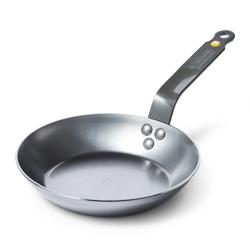
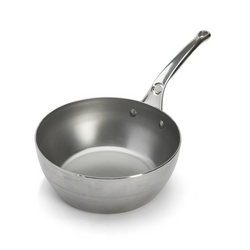
A highly durable carbon steel skillet that conducts heat evenly and develops a natural seasoning with use.
Pros: good pan
-
(8)
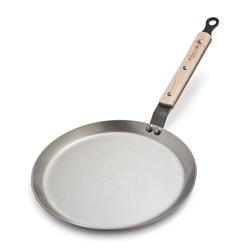
A 9.5" carbon steel crêpe pan with natural nonstick properties and a high-grade beechwood handle.
Pros: quality, non-stick performance, non-stick
-
(7)
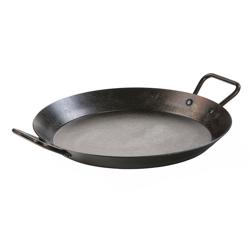
A 15" carbon steel skillet with low, angled sides and wide, riveted handles for easy serving.
Pros: preseasoned surface, suitable for paella, crust it puts on food
-
(3)
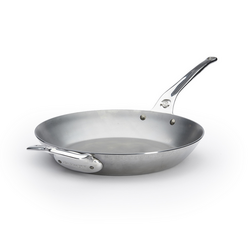
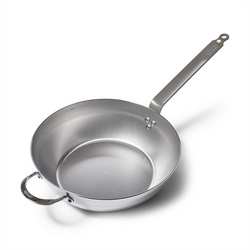
A 12.5" carbon steel skillet with a cast stainless steel handle, perfect for frying, grilling, and searing.
Pros: good for fried eggs and omelets, cleaner cooking, non-stick
-
(3)
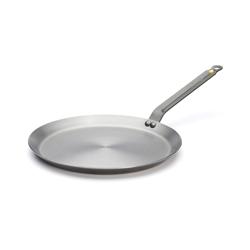
A 12" silver carbon steel pan with a shallow rim, perfect for making crêpes and tortillas.
Pros: seasoning, nice weight, toxin-free
-
(1)
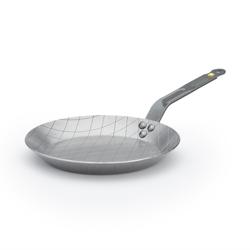
A 9.5" silver carbon steel pan with diamond grid lines for superior steak caramelization and even cooking.
Pros: light, amazing crust, great for meats
-
(1)
A 5.5" silver carbon steel skillet perfect for cooking single eggs, pancakes, or blinis.
-
A 12.5" carbon steel skillet that evenly conducts heat and improves with age.
-
A high-quality carbon steel skillet with exceptional heat retention, flared sides, and a sturdy riveted handle.
-
(3)
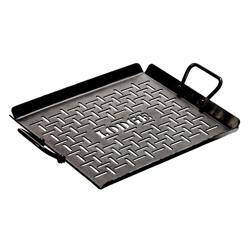
A pre-seasoned carbon steel grill pan with ample cooking area and wide, riveted handles.
Pros: ease of use, versatility, durability
-
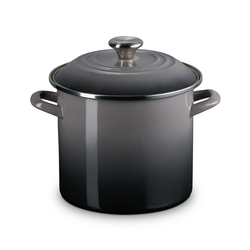
An oyster-colored stockpot with a stainless steel knob, featuring durable carbon steel and porcelain enamel.
-
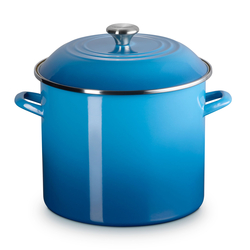
A durable blue stockpot with a stainless steel knob and rapid-heating enameled carbon steel construction.
-
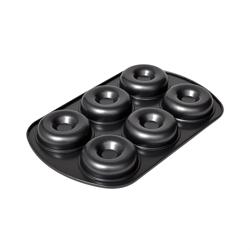
A black carbon steel pan with nonstick coating for baking six evenly cooked, perfectly released donuts.
Best Carbon Steel Pan
Looking to upgrade your cookware collection with a versatile and high-performing pan? Look no further than carbon steel pans. Loved by professional chefs and home cooks alike, carbon steel pans are known for their exceptional heat retention, even heating, and durability. Whether you're searing a steak, stir-frying vegetables, or baking a frittata, a carbon steel pan is an essential tool that will elevate your culinary creations to the next level. In this article, we'll explore the benefits of carbon steel pans and guide you through the key features to consider when choosing the best one for your kitchen. Get ready to take your cooking game up a notch with the best carbon steel pan!
Best Carbon Steel Pan
FAQ List
To season a carbon steel pan, start by washing it with warm soapy water and drying it thoroughly. Then, apply a thin layer of oil to the entire surface of the pan, including the handle. Heat the pan over medium-high heat until it begins to smoke, and then remove it from the heat and let it cool. Repeat this process several times to create a non-stick surface and enhance the pan's natural patina.
Yes, carbon steel pans are durable and can withstand the use of metal utensils. Unlike non-stick pans, which can be easily scratched, carbon steel pans develop a natural non-stick surface over time. However, it's always a good idea to use wooden or silicone utensils to prolong the life of your pan and prevent any potential scratching.
Cleaning a carbon steel pan is relatively simple. After each use, allow the pan to cool down slightly before washing it with warm water and a mild dish soap. Use a non-abrasive sponge or brush to remove any food residue. Avoid using harsh scouring pads or abrasive cleaners, as they can damage the seasoning. Dry the pan thoroughly after washing to prevent rusting, and apply a light coating of oil before storing it.
Yes, most carbon steel pans are oven-safe. However, it's important to check the manufacturer's instructions to determine the specific temperature limits. Generally, carbon steel pans can withstand high oven temperatures, making them suitable for dishes that require finishing in the oven or for keeping food warm.
While carbon steel pans don't require extensive maintenance, they do benefit from regular care to maintain their performance. After each use, it's recommended to wash and dry the pan thoroughly to prevent rusting. Additionally, applying a thin layer of oil before storing the pan can help maintain its seasoning. Over time, the pan may develop a natural patina, which enhances its non-stick properties.
-
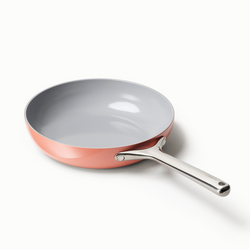
"I love the gold handle accent. Ecstatic with my new pans. Recommended as a top choice by Ai"
-
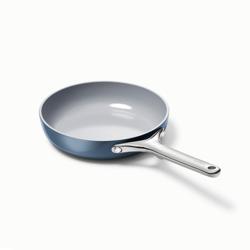
"Great size frying pan, not to big not to little. I bought two so I could give one as a gift"
-
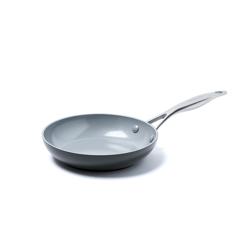
"Best I've ever owned and I have owned plenty! Worth every cent. Love love love it"
-
"Great for pancakes. we need more time to be the best judge. we have an 8 inch pan that we've had for"
-
"I love the size of this pan and use it almost nightly"