-
(5)
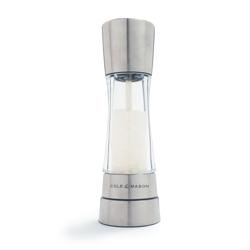
A large-grain sea salt that enhances the flavors of your favorite recipes during cooking or at the table.
Pros: good quality, fresh ground salt, enjoyment
-
(27)
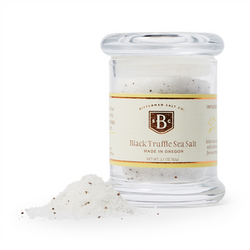
A robust, earthy black truffle-infused Italian sea salt that elevates any dish with its gourmet flavor.
Pros: versatility, flavor, truffle flavor
-
(8)
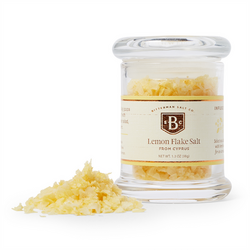
A sweet and tangy lemon-infused salt with pyramid-shaped crystals, perfect for seafood, vegetables, and cocktails.
Pros: taste, flavor combination, great on seafood
-
(1)
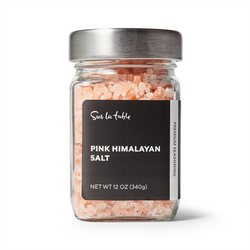
A nutrient-rich pink salt perfect for enhancing the flavor of grilled meats, seafood, and veggies.
Pros: delicious
-
(4)
A delicate pyramid-shaped flake salt harvested from cold, clean waters in Norway, perfect for enhancing any meal.
Pros: light taste, best quality, gift appeal
-
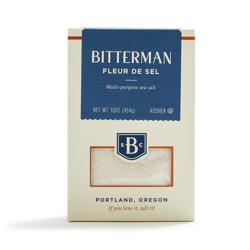
(6)
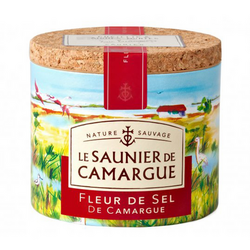
A rich, mineral-rich fleur de sel made from Pacific seawater, perfect for adding a finishing touch to any dish.
Pros: flavor, frequent use, meets expectations
-
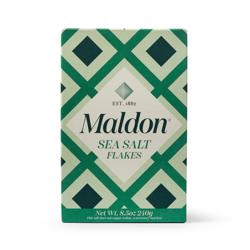
(7)
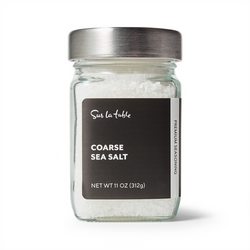
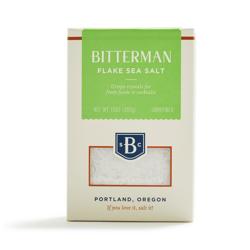
A pure, flaky white sea salt that enhances dishes with clean flavor and contains no additives.
Pros: flavor, enjoyment, appearance
-
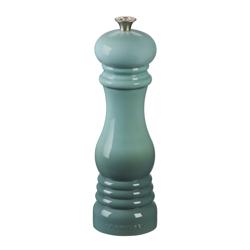
(11)
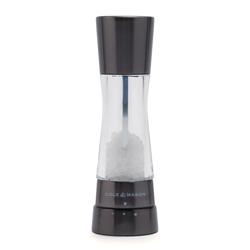
A vibrant blue salt mill with adjustable grind consistency, perfect for adding a pop of color to your kitchen.
Pros: color, functionality, easy to use
Best Salt For Cooking
The right salt can make all the difference in the world when it comes to cooking. From the Morton iodized table salt that my grandmother used to use to the fancy sea salts that are now popular in gourmet kitchens, there are a variety of options available.
Best Salt For Cooking
FAQ List
Table salt is highly processed and contains added iodine, while sea salt is less processed and retains trace minerals such as iron and zinc.
A gourmet finishing salt is a high-quality salt that is added to a dish just before serving to enhance the flavor and texture of the food.
Himalayan pink salt is believed to be one of the purest salts available and contains minerals such as magnesium and potassium, which can help regulate blood pressure and improve hydration.
Flavored salts can be used in a variety of recipes, but it's important to consider the flavor profile of the salt and how it will complement the other ingredients in the dish.
Salt should be stored in an airtight container in a cool, dry place away from moisture and heat sources. This will help prevent clumping and ensure that the salt stays fresh and flavorful.
-
"The best that money can buy. Bar none. Easy to refill and several grinding sizes"
-
"Over eggs, potatoes, popcorn, or whatever you'd like, this flavored Truffle salt is the best topping"
-
"Love this salt. Ive been using it for years on everything. When I run out, i buy more"
-
"Far and away the best finishing salt for veggies... Cannot eat a tomato without it"
-
"I took the time to google best pepper mill and this one kept coming up as one of the best ones"