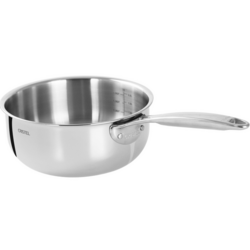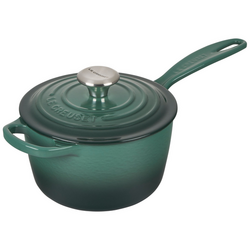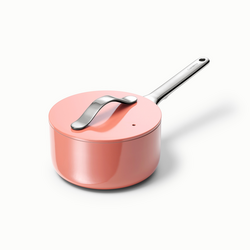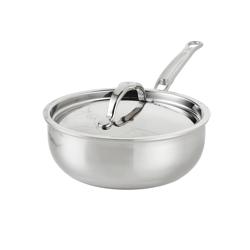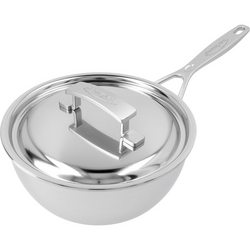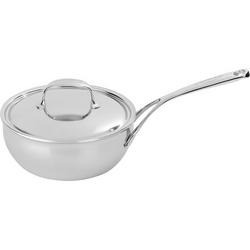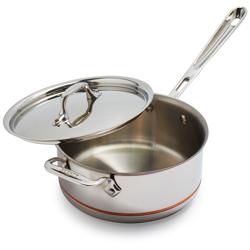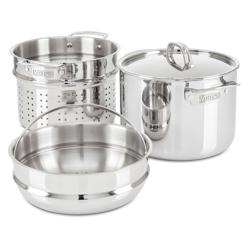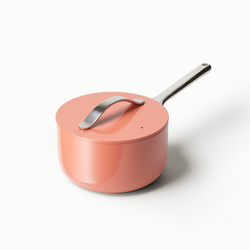
A great saucier is an essential addition to any kitchen, designed for cooks who appreciate precision and versatility. Unlike traditional saucepans, sauciers feature rounded bottoms and sloped sides, which make stirring and whisking effortless—perfect for creating silky sauces, delicate custards or creamy risottos. The unique shape encourages even heating and prevents ingredients from getting trapped in corners, so you can achieve consistently smooth results every time. Whether you’re making a classic béchamel, reducing pan sauces or tempering chocolate, a quality saucier helps you master both simple and sophisticated recipes with confidence.
When choosing the best saucier for your needs, consider factors like size, weight and material. Home cooks who enjoy experimenting with new recipes may prefer a mid-sized option that’s easy to handle yet spacious enough for family meals. If you often cook in larger batches or entertain guests, a bigger capacity might serve you well. Materials like stainless steel offer durability and even heat distribution, while copper-core designs support responsive temperature control—something busy weeknight cooks will appreciate. Ergonomic handles and well-balanced designs also make a difference during extended cooking sessions.
Saucier pans are thoughtful gifts for anyone building their kitchen collection or looking to elevate their culinary skills. They’re especially appreciated by newlyweds, recent graduates or food lovers who enjoy making sauces from scratch. With their specialized design and everyday utility, sauciers encourage creativity in the kitchen—helping both novice and experienced cooks achieve professional-quality results at home. Whether for yourself or someone special, investing in a reliable saucier is a decision that pays off dish after delicious dish.
Best Sauciers of 2026
According To Customer Reviews
Discover the top-rated sauciers chosen by home cooks and culinary enthusiasts alike. Our selection highlights the highest-reviewed options, making it easy to find a saucier that delivers smooth sauces, creamy risottos and perfectly cooked grains. Each pick is praised for its performance, durability and ease of use, so you can shop with confidence and elevate your everyday cooking.
What to look for in sauciers?
A great saucier helps you master everything from custards to risotto. Here are key factors to consider when choosing the best saucier for your kitchen.
Frequently Asked Questions
What is a saucier and how is it different from a saucepan?
A saucier is a type of pan with rounded sides and a wider opening, designed for making sauces, custards and risottos. Unlike a traditional saucepan, the curved shape makes stirring and whisking easier, helping to prevent ingredients from sticking in corners.
What are the benefits of using a saucier for cooking?
Saucier pans offer excellent control when reducing liquids or making delicate sauces. The sloped sides allow for smooth stirring and even heating, which helps achieve consistent textures and prevents scorching.
Which materials are commonly used to make high-quality sauciers?
High-quality sauciers are often made from stainless steel, copper or hard anodized aluminum. These materials provide efficient heat distribution and durability, making them ideal for precise cooking tasks.
What types of recipes are best suited for a saucier?
Sauciers excel at recipes that require frequent stirring or whisking, such as béchamel, hollandaise, risotto, pastry cream and caramel. Their shape also makes them great for reheating or finishing small batches of soup or grains.
How do you care for and maintain a saucier pan?
To keep your saucier in top condition, wash it promptly after use with warm soapy water. Avoid using abrasive pads on nonstick or copper finishes. For stainless steel models, occasional polishing can help maintain their shine.