-
(5)
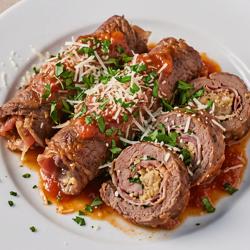
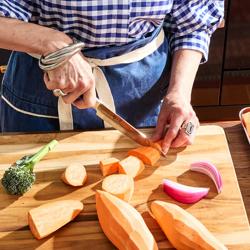
Cooking Class Description: The perfect Italian meal awaits you in this class! Our expert chef instructor will teach you essential techniques to create Italian favorites. You’ll learn to whisk together a Creamy Polenta and sauté garlic and greens for...
-
(5)
Fun class, great food and I always learn something new!...Had a great time. Chef Megan was the best!...Chef Megan Is The Best...Great class
-
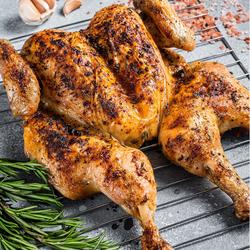
Cooking Class Description: Future you deserves a week of dinners that are already done. In this class, you'll roast a sheet-pan chicken thigh dinner, hand-roll beef meatballs for a classic tomato pasta sauce and set a slow cooker going for pulled chicken...
-
(26)
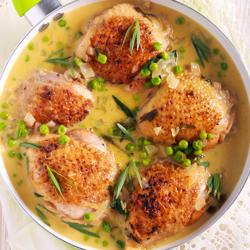
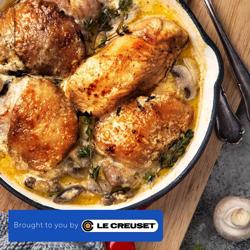
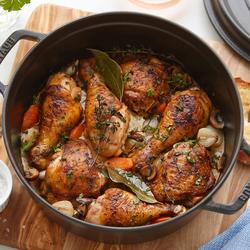
Cooking Class Description: Discover the remarkable versatility of cast iron cookware, from skillets and Dutch ovens to griddles and grill pans. Join us to learn essential cast iron care and pan selection tips. From a braised chicken dish to a delightfully...
-
(13)
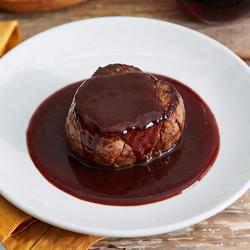
Cooking Class Description: Cook like you’re in wine country while learning timeless techniques. Master pan-searing a fillet with red wine–shallot reduction, roast fingerling potatoes until crisp and balance flavors in a roasted beet and goat cheese salad...
Meat Cooking Classes For Braised And Roasted Suppers
Explore meat cooking classes focused on braising and roasting for satisfying cold-weather suppers. Compare menus for the techniques you want to practice, whether you’re drawn to a slow-cooked braise or an herb-roasted main dish. For a comforting pairing, look for a menu that brings tender meat and creamy polenta together.

Best Of FAQ
Braising cooks meat gently with liquid, usually in a covered vessel, while roasting uses dry heat in the oven. Choose a class based on whether you want to explore tender, saucy dishes or the preparation and timing behind a roast.
Read the description for the techniques involved and any stated prerequisites. A familiar dish with one new method can be a useful starting point, while a menu with several unfamiliar steps may appeal if you’re looking to expand your repertoire.
Polenta provides a mild, creamy base for the rich cooking juices and sauces that accompany braised meat. If learning both matters to you, choose a class whose menu explicitly includes polenta alongside the main dish.
Some menus bring together a meat dish with sauces, vegetables, bread or other sides. Check the full menu to see whether the lesson focuses on one technique or explores several parts of a complete supper.
Start by repeating the recipe and noting the preparation steps and timing you’d like to become more comfortable with. If planning dinners ahead is your next goal, explore freezer-friendly dinner cooking classes for lessons focused on that approach.
-
"Great date night"
-
"wonderful) but of the details of the class:-instructor was knowledgeable, personable & led a great"
-
"Great class"
-
"Great class"
-
"Instructor was great. Plenty of food to eat. Loved the class"