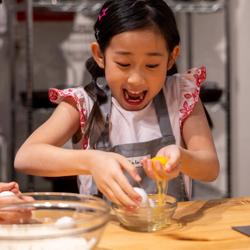
Breakfast cooking classes focus on the techniques behind satisfying morning meals, from tender eggs and evenly browned pancakes to flaky biscuits and a well-timed brunch. They give beginning cooks a practical place to build confidence and more experienced cooks a chance to understand why a familiar recipe sometimes turns out differently than expected. Breakfast may seem straightforward, but its short cooking times make small decisions especially noticeable. A little too much heat can turn scrambled eggs firm before the toast is ready; an overmixed batter can make pancakes chewy instead of light. Classes centered on these dishes can help connect a recipe’s directions with the sights, sounds, and textures that signal what is happening in the pan. Depending on the menu, instruction may cover egg cookery, griddle techniques, breakfast baking, sauces, or a combination of sweet and savory preparations. With eggs, useful lessons include recognizing the difference between gentle setting and overcooking, judging when a poached egg has a firm white and soft center, and understanding how residual heat affects the finished texture. Pancakes and French toast offer another set of skills: managing pan heat, working in batches, and getting a browned exterior without leaving the middle underdone. These are approachable dishes with plenty to teach, particularly when an instructor can explain a result while the cooking is underway. A breakfast class also creates space to practice without the usual pressure of getting everyone fed before the day begins. Instead of juggling coffee, a crowded stovetop, and requests from the table, participants can focus on the reason behind each step. That attention can make a familiar breakfast feel less unpredictable at home. The goal is not necessarily an elaborate spread; it may be learning to make a soft scramble consistently, turn out pancakes with tender centers, or serve eggs and potatoes while both are still at their best. Even cooks who make breakfast regularly can benefit from noticing habits that a rushed morning usually leaves unexamined.
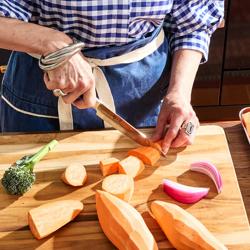
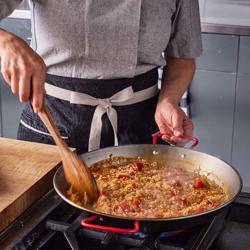
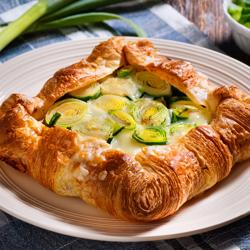
Breakfast and brunch cooking classes can also explore the baking skills that give a morning meal its character. A biscuit that separates into delicate layers, a muffin with an even crumb, or a waffle that stays crisp long enough to reach the table depends on more than following a list of ingredients. Menus featuring these foods may introduce measuring methods, mixing techniques, leavening, dough handling, and the role of resting time. Learning what a batter or dough should look and feel like is especially valuable when a written direction such as “mix just until combined” has always felt vague. For biscuits and scones, instruction may focus on keeping the fat distinct and handling the dough gently; for yeast-raised breakfast breads, the emphasis may be on kneading, fermentation, and recognizing when dough is ready for its next step. More involved pastry menus can offer a closer look at shaping and layering, while simpler baking classes may concentrate on recipes suited to a relaxed morning at home. Savory dishes add another dimension, with opportunities to learn how vegetables, cheese, herbs, and properly cooked fillings work together in a frittata, quiche, or breakfast hash. These menus also show how contrasting textures and flavors can make a meal feel complete: crisp potatoes alongside soft eggs, tart fruit with a rich baked dish, or a fresh herb garnish that brightens a creamy sauce. Brunch introduces the practical challenge of bringing several components together. A class built around a complete menu may demonstrate which preparations can happen ahead, which dishes tolerate a brief wait, and which need attention just before serving. That kind of sequencing matters when one recipe needs the oven and another needs the stovetop. Understanding the order of work can be as useful as learning the recipes themselves, especially for anyone who has served the first plate while still cooking the last. It can also make a larger menu feel manageable without filling every burner or leaving a stack of unfinished tasks.
Breakfast cooking classes suit a range of interests and occasions, including a shared outing for friends, a cooking date, or time set aside to develop a personal skill. Someone who usually relies on a quick bowl of cereal may appreciate learning a few dependable cooked breakfasts, while an enthusiastic home baker may be drawn to a menu that explores dough or pastry in greater depth. Attending alone can keep the focus on practice and learning; attending with a partner or friend offers a shared experience that can continue with another attempt at the recipes at home. Classes can also make thoughtful experience gifts for people who enjoy cooking, hosting brunch, or trying a new technique without committing to an entire course of study. The best fit depends on both the menu and how the session is taught. Hands-on instruction provides opportunities to practice movements such as folding batter or shaping dough, while a demonstration emphasizes watching technique and following the instructor’s explanation. Class descriptions should clarify the format, expected experience level, and dishes covered so participants can choose according to what they want to learn. Anyone with a food allergy or dietary restriction should review ingredient information and confirm suitability before enrolling rather than assume substitutions are possible. Egg-, dairy-, and wheat-based dishes are common in breakfast cooking, and changing those ingredients can affect both the lesson and the finished result. Beyond a single outing, the appeal is having skills that earn their place in an everyday kitchen. Better heat control helps with far more than eggs, an understanding of gentle mixing supports other baking projects, and a workable cooking sequence makes hosting less hectic. A successful class can leave a cook with a clearer sense of what to watch for and when to adjust. Whether the next occasion is a quiet breakfast for two or a table of friends gathering for brunch, those small improvements can make cooking more enjoyable and the meal easier to bring together.