-
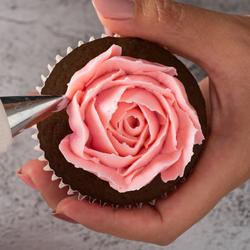
Cooking Class Description: Learn to create a beautiful bouquet of edible roses and flowers in this class! First, you’ll learn to make moist chocolate cupcakes as a base for your floral buttercream decorations. Then, our chef instructor will teach you...
-
Cooking Class Description: Indulge your sweet tooth in this chocolate-filled baking experience. You’ll bake a deeply rich Flourless Chocolate Torte, layer dark, milk and white chocolate mousse and craft crisp honeycomb candy coated in glossy chocolate....
-
(5)
Ben is a GREAT asset to your company. Thank you Chef Ben and Sur la table.
-
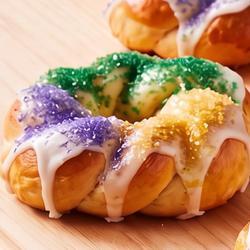
Cooking Class Description: Celebrate Mardi Gras and the festive flavors of New Orleans while mastering classic Southern baking techniques. Our chef instructor will teach you the tips and tricks for crafting the beloved NOLA confections as you prepare...
-
(63)
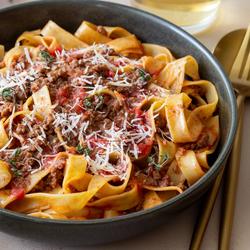
Our Chef was great I'm not making pasta from scratch at home!...One of the best experience I've had in 2023, thank you Chef!
-
(41)
We had a great time! Chef Avenly was very personable and easy to follow....Chef Rosanna at the WPB store did a great job and very knowledgeable....Great Class!
-
(99)
ve now made three of them for various Christmas parties and people love it!...Great experience
Cake Baking Classes
Find cake baking classes that put making the dessert at the heart of the lesson. Explore cake, cupcake and torte menus, and compare the baking techniques and finishing steps each class covers. Whether you want to focus on one bake or include cake in a broader cooking experience, start with the menu that matches your interests.


Best Of FAQ
Look for a description that explains the baking process and the techniques covered. Start with a dessert you’re interested in making, then review any stated experience level and preparation requirements rather than assuming every class is introductory.
Cake baking focuses on making and baking the cake itself. Decorating focuses on finishing techniques, such as icing and piping. Some lessons combine both, so check the description. If finishing is your main interest, explore cake decorating classes.
Yes. A cooking or dessert class can include baking a cake as part of a larger menu. Read the full description to confirm that cake preparation is taught, and consider whether you want a varied lesson or a class centered on cake.
Online instruction offers a way to follow a baking lesson in your own kitchen. Review the class format, listed time zone and advance preparation instructions. You can also explore online baking classes with prep guides.
Choose a menu and learning focus that interest you both, whether that’s baking technique, decorative finishing or a culinary tradition. Review the class format and description together so you know how the lesson is organized before making your choice.
-
"We had a great time! Chef Avenly was very personable and easy to follow"
-
"Great bonding experience with easy enough recipes (but not that easy where she lost interest"
-
"ve now made three of them for various Christmas parties and people love it"
-
"Excellent class with great baking advice! I look forward to my next class"
-
"already planning his first batch this weekend of which I will be the lucky recipient, thank you for a great"