-
(41)
We had a great time! Chef Avenly was very personable and easy to follow....Chef Rosanna at the WPB store did a great job and very knowledgeable....Great Class!
-
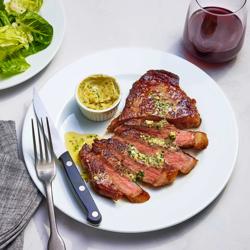
Cooking Class Description: A classic steakhouse meal gets a luxurious update in this Date Night class! You, your partner and other couples will learn how to perfectly sear a steak, make a boozy compound butter and prepare a Classic Shrimp Cocktail. For...
-
(5)
Ben is a GREAT asset to your company. Thank you Chef Ben and Sur la table.
-
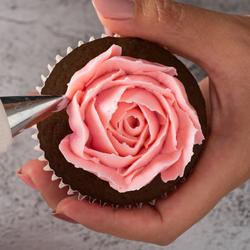
Cooking Class Description: Learn to create a beautiful bouquet of edible roses and flowers in this class! First, you’ll learn to make moist chocolate cupcakes as a base for your floral buttercream decorations. Then, our chef instructor will teach you...
-
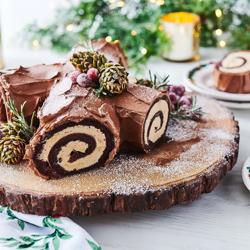
Cooking Class Description: Indulge your sweet tooth in this chocolate-filled baking experience. You’ll bake a deeply rich Flourless Chocolate Torte, layer dark, milk and white chocolate mousse and craft crisp honeycomb candy coated in glossy chocolate....
Chocolate Cake Baking Classes
Explore chocolate cake classes for your next baking project or a cooking experience to share. Compare menus for flavors and techniques that interest you, and check whether cake baking is the main focus or the sweet finish to a larger meal. Start with a familiar favorite or find a new flavor combination to try.

Best Of FAQ
Check the class description for any experience requirements and the techniques involved. If you're new to baking, look for a lesson that emphasizes foundational steps rather than choosing by the finished cake alone.
Check the format listed in the class details. For an in-person lesson, review the location; for an online lesson, review the participation instructions, time zone and any kitchen preparation needed.
A chocolate cake class centers on cake preparation, while a chocolate pastry class may focus on doughs, pastry assembly or other baked desserts. The recipe list is the clearest guide to what you'll make and which techniques the lesson emphasizes.
Coffee can bring roasted notes to a chocolate dessert, while chile can add warmth and contrast. These pairings offer different ways to explore chocolate beyond sweetness. Read the menu description to find a flavor combination that appeals to you.
Read the class details and any preparation materials before the lesson. Follow the instructions provided rather than assuming every class has the same setup. For an online class, review ingredient lists, equipment needs and any advance preparation.
-
"already planning his first batch this weekend of which I will be the lucky recipient, thank you for a great"
-
"Ben is a GREAT asset to your company. Thank you Chef Ben and Sur la table"
-
"Great bonding experience with easy enough recipes (but not that easy where she lost interest"
-
"Excellent class with great baking advice! I look forward to my next class"
-
"Two improvements we would love is to have if we cook again would be seats available to sit down and eat"