-
(6)
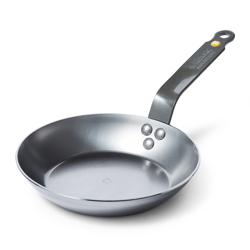
A 9.5" carbon steel pan with a naturally nonstick surface, perfect for effortlessly flipping omelets.
Pros: durable, appearance, gentle curved design
-
(6)
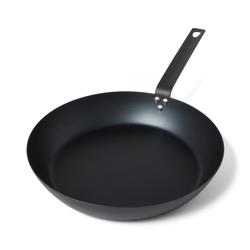
A durable 11" carbon steel pan with a naturally nonstick surface, perfect for flipping omelets effortlessly.
Pros: versatile for stovetop and oven use, non-stick surface, sweet-scented beeswax seasoning
-
(1)
A lightweight carbon steel pan with rolled edges for easy flipping, perfect for omelets and frittatas.
-
(10)
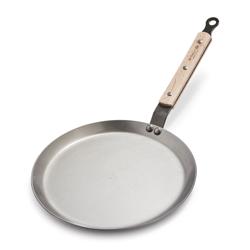
A 9.5" carbon steel crêpe pan with natural nonstick properties and a high-grade beechwood handle.
Pros: high quality, satisfaction, quality
-
(10)
A silver carbon steel skillet with a cast stainless steel handle that develops a natural nonstick surface.
Pros: usefulness, beauty
-
(5)
A highly durable carbon steel skillet that conducts heat evenly and develops a natural seasoning with use.
Pros: good pan
-
(14)
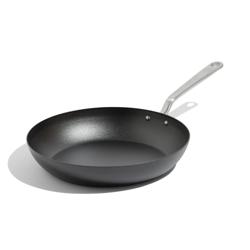
A lightweight black carbon steel skillet that heats quickly, is pre-seasoned, and safe for high-heat cooking.
Pros: perfect size
-
(1)
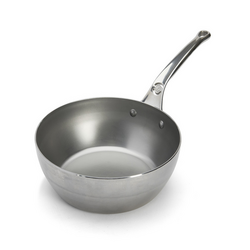
A high-quality carbon steel skillet with exceptional heat retention and flared sides for versatile cooking.
-
(6)
A 9.5" silver carbon steel pan ideal for making delicate crêpes and perfectly cooked tortillas.
Pros: effective for crepes, well seasoned, non-stick
Carbon Steel Omelet Pans | Sur La Table
Explore carbon steel omelet pans for folded omelets and other egg breakfasts. Compare pan size, weight and edge shape to find a comfortable fit for your cooking style, and check seasoning requirements to understand how to prepare and care for your pan.





Best Of FAQ
Carbon steel is a cookware material that is typically seasoned with oil. Coated nonstick cookware has a separately applied nonstick coating. Their preparation and care routines differ, so review the instructions for the pan you choose.
Seasoning is a layer created by heating oil on the pan’s surface, not adding salt or spices. Some pans arrive pre-seasoned, while others require preparation before cooking. Follow the manufacturer’s method for establishing and maintaining that layer.
Seasoning and repeated cooking gradually change carbon steel’s appearance. The surface can develop brown or dark patches rather than staying its original color. This evolving finish is often called a patina.
No. A round omelet pan is commonly used for folded omelets, while a tamagoyaki pan is typically rectangular or square and used to build a Japanese omelet from rolled layers of egg. Choose the shape that matches the dish you want to make.
Follow the pan’s care instructions. Carbon steel generally calls for hand-washing, thorough drying and a light application of oil as directed. Avoid soaking it or putting it in the dishwasher, and maintain the seasoning using the manufacturer’s recommended method.
-
"I absolutely love this griddle. Its the best part of my kitchen now, and use it all the time"
-
"Great Purchase! Sur La Table Winner"
-
"PerfEGGtion makes the best poached eggs and the pan is great for cooking small portions"
-
"Worked great for our first ever paella"
-
"It's great. Love it"