-
(26)
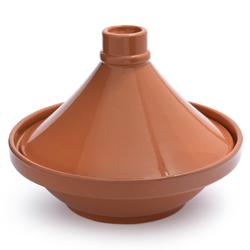
A brown glazed terra cotta tagine that simmers food for rich, tender Moroccan dishes.
Pros: perfect size, cooks well, quality
-
(22)
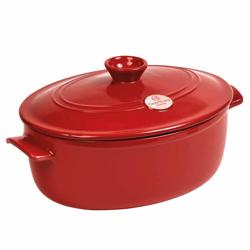
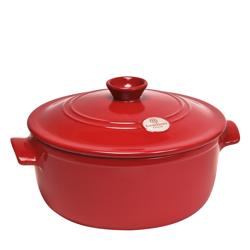
A 6.3 qt. burgundy stewpot made of even-heating Burgundy clay with a tight-fitting lid.
Pros: durable, cooks well, easy cleaning
-
(136)
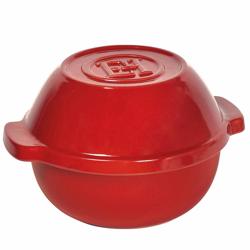
A red spherical pot made of Burgundy clay that bakes artisan breads and cooks crispy potatoes evenly.
Pros: versatility, ease of use, high heat tolerance
-
(82)
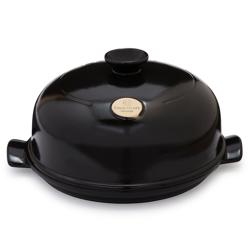
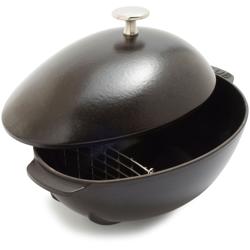
A ceramic bread cloche in charcoal gray that mimics a traditional bread oven for perfect artisanal bread.
Pros: versatility, reliable results, color
-
(71)
A 5.5 qt. Burgundy clay casserole with a tight-fitting lid for controlled cooking and moisture retention.
Pros: versatility, durable, quality
-
(3)
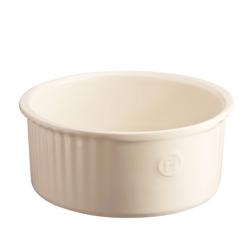
A 2.3 qt. white soufflé dish made of high-quality Burgundy clay for even cooking and thermal shock resistance.
Pros: recipe quality, beautiful, ease of use
-
(542)
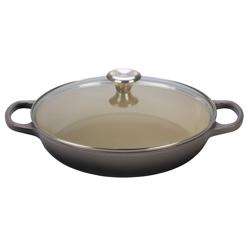
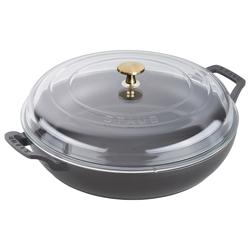
A 3.5 qt. gray cast iron casserole with glass lid for versatile cooking and superior heat retention.
Pros: versatility, durable, functional
-
(175)
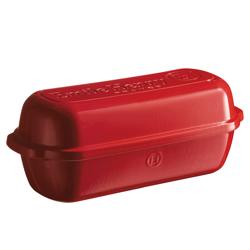
A red ceramic loaf baker made from Burgundy clay that ensures soft, fluffy bread with a crispy crust.
Pros: quality, durable, easy to clean
-
(152)
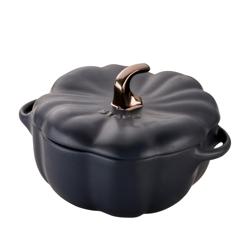
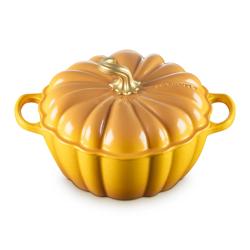
A durable black ceramic pumpkin cocotte with lid, perfect for individual portions of seasonal dishes.
Pros: keeps heat, loved by family
-
(110)
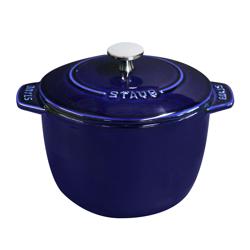
A compact, blue enameled cast iron oven with a chistera pattern lid for individual portions.
Pros: versatility, aesthetic, sauce
-
(73)
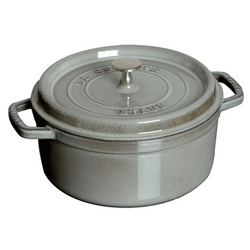
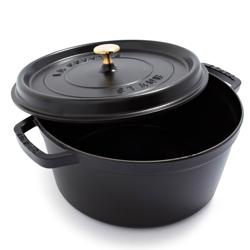
A traditional French cooking vessel made of durable cast iron, perfect for stews, soups, and roasts.
Pros: self-basting lid, large capacity, versatility
-
(54)
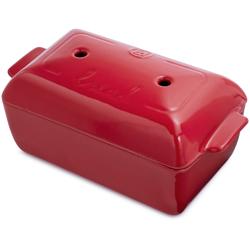
A Burgundy ceramic loaf baker that retains humidity while baking artisanal breads, providing even heating.
Pros: consistent results, perfect size, easy clean up
-
(29)
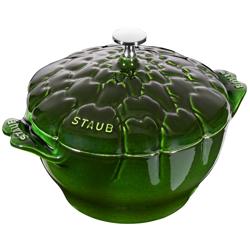
A green ceramic Dutch oven with an artichoke design, perfect for soups, stews, and artichoke dip.
Pros: functional, beautiful, versatility
-
(17)
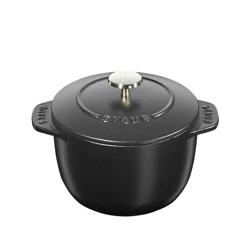
A compact black cast iron oven with a chistera pattern lid that returns moisture to dishes as they cook.
Pros: easy to clean, heat retention, perfect size
-
(16)
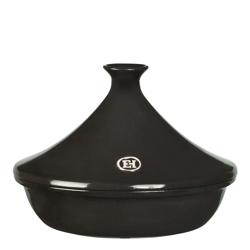
A versatile and handsome charcoal tagine with a tall, conical lid that locks in aromatic steam.
Pros: functional, durable, beautiful
-
(13)
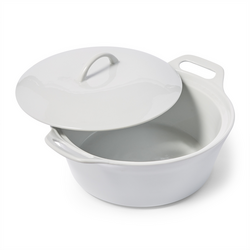
A white porcelain cocotte with a 2.75 qt. capacity, perfect for casseroles, slow-roasted meats, and stews.
Pros: perfect size, versatile, meets expectations
-
(13)
A unique black mussel pot made of enameled cast-iron, perfect for baking or steaming shellfish.
Pros: versatility, cooks evenly, flat base
-
(10)
A yellow cast iron cocotte with a tight-fitting lid, ideal for soups, stews, and baking bread.
-
(8)
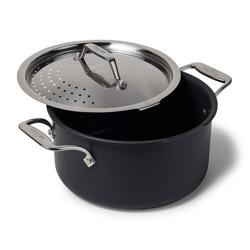
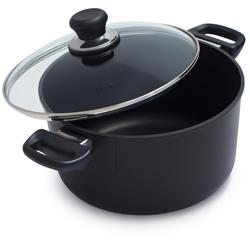
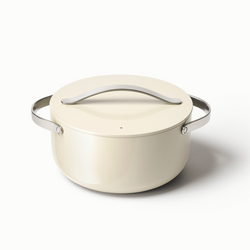
A professional-grade Dutch oven with a nonstick cooking surface, perfect for versatile one-pot meals.
Pros: lightweight, great nonstick surface, lid handle stays cool
-
(6)
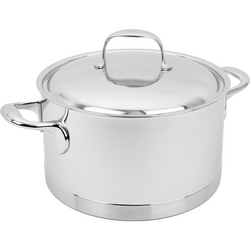
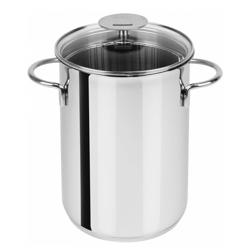
A versatile silver asparagus pot with lid made of stainless steel, perfect for steaming, blanching, and boiling.
Pros: beautiful, value for money, size
-
(16)
An enameled green stoneware baker with lid that ensures even heat for perfectly cooked fish dishes.
Clay Pot With Lid
Enhance your cooking experience with the versatile and timeless Clay Pot With Lid. Crafted with precision and durability, this essential kitchen tool is designed to elevate your culinary creations to new heights. Whether you're simmering a hearty stew, slow-cooking tender meats, or baking a mouthwatering casserole, this clay pot is the perfect companion for achieving delicious and flavorful results. With its exceptional heat retention properties and even heat distribution, you can expect consistent cooking performance every time. Discover the endless possibilities of cooking with clay and unlock a world of delectable flavors in your own kitchen.
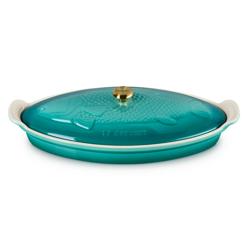
Clay Pot With Lid
FAQ List
To season a clay pot with a lid, start by soaking it in water for a few hours. Then, coat the interior and exterior of the pot with a thin layer of vegetable oil. Place the pot in a cold oven and gradually increase the temperature to 350°F (175°C). Let it bake for about an hour, then turn off the oven and allow the pot to cool completely before removing it.
Most clay pots with lids are designed for oven use only. The high temperatures and direct heat of stovetop cooking can cause the clay to crack or break. It's best to check the manufacturer's instructions to ensure that your specific clay pot is suitable for stovetop use.
Cleaning a clay pot with a lid is simple. After use, allow the pot to cool completely. Then, gently scrub it with warm water and a soft brush or sponge. Avoid using harsh detergents or abrasive cleaners, as they can damage the porous surface of the clay. Allow the pot to air dry before storing it.
No, clay pots with lids are not suitable for microwave use. The high heat generated by microwaves can cause the clay to crack or break. It's important to always follow the manufacturer's guidelines and only use the clay pot in the oven or on the stovetop as recommended.
While clay pots with lids are relatively low maintenance, there are a few things to keep in mind. Avoid exposing the pot to sudden temperature changes, as this can cause cracking. Always handle the pot with care, as clay can be fragile. Additionally, it's a good idea to store the pot in a dry and well-ventilated area to prevent any moisture buildup.
-
"Love this pot! Perfect size for soups and any kind of pasta. Nice heavy pot"
-
"The quality of the product is the best I've seen on the market"
-
"It a great pot. I should have bought one size smaller"
-
"Not only does it bake great crusty loafs but it also doubles for storage of the baked loaf"
-
"I love it, very light easy to clean not burning my hands, great grip ?. Simply the best"