-
(295)
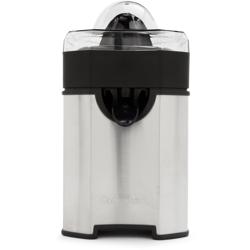
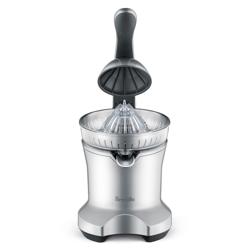
A sleek brushed stainless steel citrus juicer with adjustable pulp-control settings and a Final-Spin feature.
-
(2)
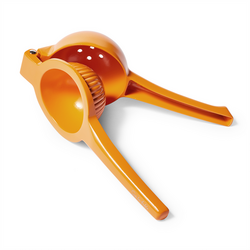
A powerful and sturdy orange juicer in a vibrant orange color, made of durable aluminum.
-
(14)
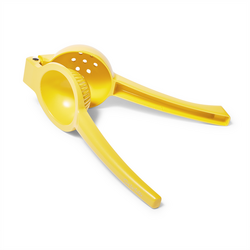
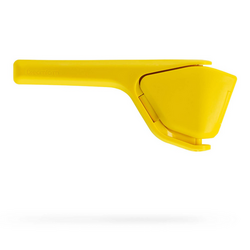
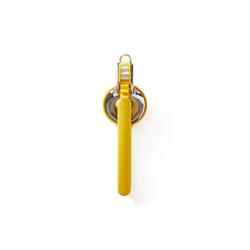
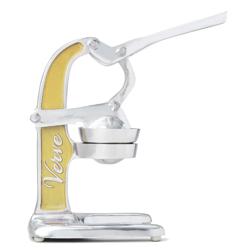
A yellow stainless steel lemon juicer that folds flat for easy storage and is dishwasher safe.
-
(1)
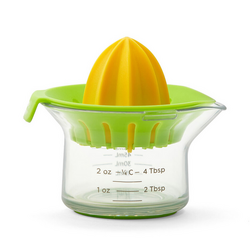
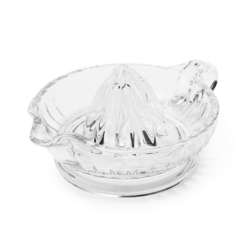
A conveniently sized clear juicer with integrated pour spout and pulp filter for easy citrus juicing.
-
(63)
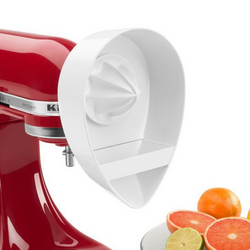
A durable white citrus juicer attachment for KitchenAid stand mixers that filters seeds and pulp.
-
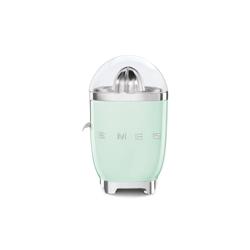
A pastel green aluminum juicer featuring retro Italian design, automatic press activation, and anti-drip spout.
-
(37)
A clear citrus juicer with a twist action that maximizes juice extraction from citrus fruits.
-
(100)
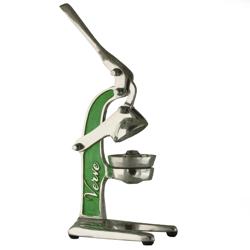
A hand-press artisan juicer in green aluminum, perfect for crafting cocktails or making fresh-squeezed juice.
-
(1)
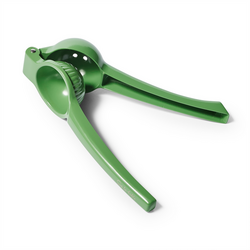
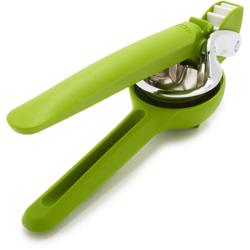
A green aluminum handheld lime juicer that is easy to use and provides optimum juicing with little effort.
-
(86)
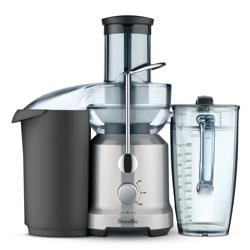
A powerful silver juicer with Cold Spin Technology for efficient juicing and minimal temperature transfer.
-
(16)
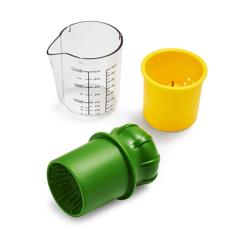
A powerful lime juicer with an inverted mechanism for reduced pulp and increased juicing power.
-
(18)
A clear glass juicer with a generous reservoir, handle, and spout for easy pouring.
-
(119)
A silver electric citrus press that effortlessly extracts juice from a variety of citrus fruits.
-
(17)
A powerful yellow lemon juicer with a dual gear mechanism for easy and efficient juicing.
Compact Juicers
Looking to add a burst of freshness to your daily routine? Our selection of compact juicers is here to make juicing a breeze. These space-saving machines are designed to extract every drop of goodness from your favorite fruits and veggies, delivering delicious and nutritious juices in a matter of seconds. Whether you're a seasoned health enthusiast or just starting your juicing journey, these compact juicers are perfect for creating wholesome beverages that will leave you feeling revitalized and ready to tackle the day.
Compact Juicers
-
"I purchased this at least five years ago and use it frequently, It still looks great and works perfectly"
-
"Best lime juicer I have ever had"
-
"The best juicer out there"
-
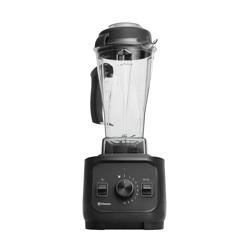
"Best blender I've ever had! Simple, and quieter than I thought it would be"
-
"Works great for juicy and looks beautiful as a counter accessory"