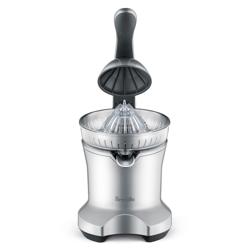
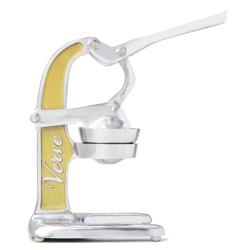
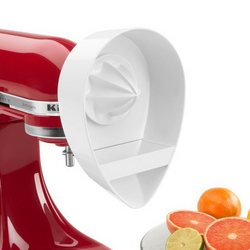
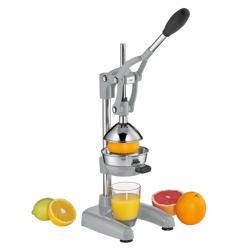
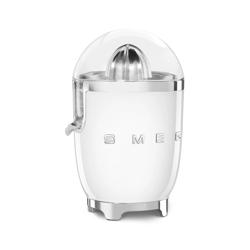
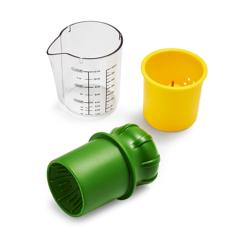
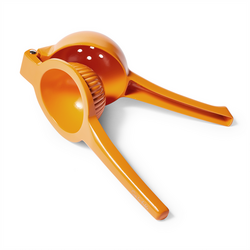
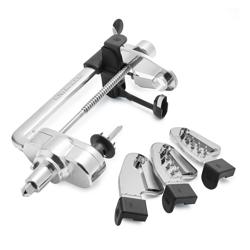
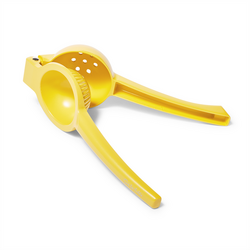
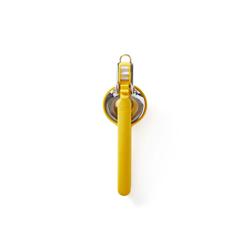
Juice presses extract liquid by applying pressure to fruit or prepared produce. For everyday kitchen use, citrus presses squeeze halved lemons, limes, oranges and other citrus, separating much of the juice from the peel, seeds and pulp. A handheld press uses hinged handles to compress fruit, while a countertop citrus press uses a lever to push a pressing cone or plate against it. Larger basket presses typically use a screw or ratchet mechanism to compress prepared apples or grapes, and hydraulic presses apply pressure to crushed produce, often held in a filter bag. These designs serve different purposes: a compact citrus squeezer suits small additions to recipes, while a larger press makes more sense for repeated squeezing or batch preparation. The most useful choice starts with what goes into the glass, bowl or pan. A squeeze of lime brightens a bowl of black bean soup; lemon juice brings balance to a buttery pan sauce; orange juice adds sweetness and acidity to a marinade. For cooks who regularly finish dishes with fresh citrus, a press can earn its place alongside a cutting board and measuring spoons rather than becoming an appliance reserved for occasional drinks. Bartenders and home hosts may appreciate a press that handles several pieces of fruit comfortably, especially when preparing juice for margaritas, whiskey sours or a pitcher of lemonade. Bakers can use measured amounts of fresh juice in glazes, fillings and quick breads, while salad lovers can press a lemon directly into a small bowl before whisking in olive oil and mustard. Juice yield depends on the fruit’s size, variety, ripeness and condition as well as the pressing mechanism, so greater force alone does not guarantee a better result. A well-matched press helps make extraction manageable, keeps seeds out of the finished recipe and gives fresh juice a practical role in everyday cooking.
Materials, proportions and handle design all affect how a juice press feels in use and how well it fits the kitchen. Stainless steel is valued for its durability and resistance to corrosion, though hinges, strainers and other components still need appropriate care. Coated aluminum can offer a lighter option, with a finish that should remain intact wherever it contacts food. Heavier countertop designs may combine a substantial metal frame with removable juice-contact parts, providing stability while keeping the pieces that need washing more manageable. Because citrus juice is acidic, food-contact surfaces should be intended for use with acidic ingredients, and damaged coatings deserve attention before further use. Size matters just as much as material. A small bowl designed around limes may not comfortably hold a large lemon, and a press suited to oranges may still lack the clearance needed for grapefruit. Matching the pressing cup and cone to the fruit helps keep it seated securely rather than forcing it into an awkward position. For handheld designs, consider how far the handles spread and whether the grip feels comfortable through a full squeeze. Long handles can provide leverage, but overall weight and grip width also matter, particularly for anyone who finds repeated squeezing tiring. A countertop lever press transfers some of that work to the mechanism, although it still requires hand strength and a secure working surface. Its footprint should leave enough room for the lever’s movement, with clearance beneath the outlet for a glass or measuring cup. Cabinet height and storage space are worth considering, too: a press that stays on the counter has different space requirements from one that needs to fit in a drawer. Secure joints, a stable base and smoothly moving parts are useful signs of thoughtful construction. Removable strainers and accessible pressing surfaces also make a difference when juice preparation becomes a regular task rather than an occasional one.
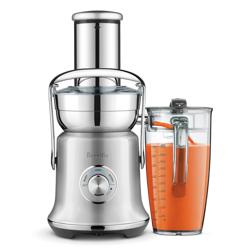
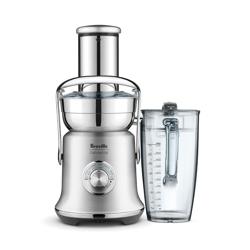
Care is part of choosing a juice press that will remain pleasant to use. Pulp and sticky juice are easier to remove before they dry, especially around perforations, hinge points and the underside of a pressing cone. Removable food-contact parts can simplify washing, but dishwasher suitability varies by material, finish and construction. Follow the manufacturer’s directions rather than assuming that every metal component is dishwasher safe, and keep frames or mechanisms out of soaking water unless their care instructions allow it. A soft brush can help clear a strainer without scraping its surface, and thorough drying helps protect joints and other places where moisture can collect. During use, a secure base and clear space around moving parts are important; fingers should stay away from the pressing area, and oversized fruit should not be forced into a cup that cannot accommodate it. The finished juice may still contain some pulp or an occasional seed, depending on the design, so a separate fine-mesh strainer can be useful for a smooth cocktail or delicate glaze. For larger batches, a vessel with a pouring spout makes it easier to measure juice into recipes or transfer it without drips. Presses are particularly well suited to people who know they reach for citrus frequently and value a tool with a straightforward purpose. They can also make thoughtful gifts for a home cook, baker or cocktail enthusiast when the size and style reflect that person’s habits and available space. Someone who mainly squeezes a lime over dinner may appreciate compact storage more than batch capacity, while a frequent brunch host may prioritize leverage and room for a taller glass. For routines that extend beyond pressed citrus to a wider range of fruits and vegetables,
Modern Juicers offers a related category to explore. The right fit is the one that supports the foods and drinks already enjoyed, with comfortable handling and cleanup that feels reasonable after the last squeeze.