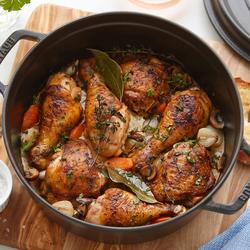
Autumn comfort food classes bring seasonal ingredients and familiar, satisfying dishes into a hands-on cooking experience. Centered on the flavors of fall, these classes can explore slow-simmered sauces, tender braises, creamy soups, roasted vegetables, and baked desserts while helping home cooks understand the techniques behind them. Squash, apples, pears, mushrooms, and root vegetables offer plenty of ways to build a meal with depth, from the caramelized edges of a roasted vegetable to the savory richness of a well-browned mushroom. The appeal goes beyond following a recipe. Learning why a stew needs gentle heat, how to balance a rich sauce, or when a dough has been handled enough can make familiar cooking feel less like guesswork. Depending on the menu, a class might focus on a relaxed family supper, a meal suited to sharing with friends, or a comforting dinner with a special finishing touch. These are useful skills for cooks who enjoy feeding a household as well as those who want a few dependable meals for smaller gatherings. Comfort food also has room for different tastes: hearty does not always mean heavy, and a deeply flavored vegetable dish can be just as satisfying as a slow-cooked meat entrée. A squeeze of lemon, a spoonful of tangy dairy, or a scattering of fresh herbs can bring contrast to an otherwise rich plate. Exploring those choices with instruction helps connect the cozy character of autumn cooking to practical decisions about flavor, texture, and timing. For someone who enjoys the smell of onions softening in a pan or apples baking beneath a golden topping, a seasonal class offers a chance to understand what makes those dishes work. The result is an experience rooted in recognizable food, with techniques that can become part of everyday cooking long after the class ends. Even a familiar combination can feel new when the vegetables are properly browned, the sauce has the right consistency, and each component reaches the table ready to enjoy.
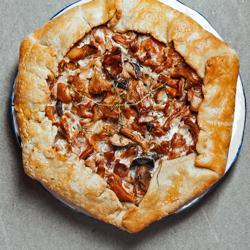
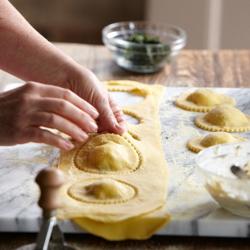
The most useful lessons in a comfort food cooking class often come from details that are difficult to judge on a recipe page. Browning, for example, involves more than waiting for food to change color: pan temperature, surface moisture, and the amount of space between ingredients all influence the flavor that develops. In a class featuring braised dishes, the learning may include building a flavorful base, adding liquid thoughtfully, and recognizing tenderness rather than relying only on a timer. A soup-focused menu can offer a different set of lessons, such as creating body without overwhelming the vegetables or adjusting seasoning after a soup has reduced. Menus built around risotto, handmade pasta, or savory pastry bring their own opportunities to practice texture and consistency. Seeing how rice releases starch, feeling the difference between dry and supple dough, or recognizing a filling that needs to cool before assembly can make a technique easier to repeat at home. Baking adds another dimension to autumn comfort food, especially when fruit, warm spices, and crisp or flaky textures share the plate. An apple dessert, for instance, can introduce useful distinctions between fruit that holds its shape and fruit that softens into the filling. These examples illustrate why the menu matters when choosing a class: the dishes provide the setting, but the underlying skills give the experience lasting value. Cooks hoping to become more comfortable with stovetop meals may prefer a menu emphasizing sauces and simmering, while someone drawn to baking may enjoy working with dough or seasonal fruit. Those interested in the broader range of autumn menus can also explore
Cozy Fall Cooking Classes for related inspiration. Reading each class description helps connect the meal to the experience, including the techniques covered and any participation requirements. That connection is especially helpful when choosing between a familiar dish worth mastering and an unfamiliar one that offers a manageable new challenge. Both can lead to a satisfying meal and a clearer understanding of how ingredients behave.
Autumn comfort food classes can suit a wide range of home cooks and occasions, from a beginner building confidence to an experienced cook looking for fresh ideas beyond the usual dinner rotation. Attending alone can make the meal itself a natural point of conversation, while a class with a partner or friend offers something to do together beyond sitting across a restaurant table. For couples, practicing a dish together can turn into a dinner worth making again at home. Friends might choose a menu that reminds them of meals shared on a fall getaway, and a family gathering can take inspiration from a dish that feels familiar without repeating the same preparation every time. A cooking class can also be a thoughtful experience gift for someone who enjoys learning, entertaining, or making a leisurely meal. The best fit depends less on how accomplished that person seems and more on what they would enjoy cooking and eating. A confident baker may welcome a savory challenge, while a busy home cook may appreciate a comforting menu with techniques that translate to ordinary dinners. For anyone planning a Thanksgiving gathering or another fall celebration, relevant classes can help build confidence with individual components of the meal, particularly when timing several dishes feels more demanding than preparing any one recipe. Skills such as preparing a sauce ahead, understanding how a filling sets, or judging when vegetables are tender can make hosting feel more manageable. Dietary needs and age requirements deserve attention in the individual class details, especially when booking for someone else; a menu should not be assumed to accommodate every restriction or substitution. Above all, the right class should match the kind of cooking that brings the participant back to the kitchen. A memorable autumn meal does not have to be elaborate. Often, its appeal comes from a few well-executed elements: a savory base, a tender center, a crisp topping, and enough attention to seasoning that every bite feels complete.