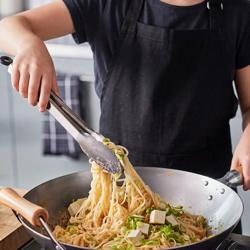
The best back-to-school activity ideas for teens combine social connection, a clear purpose, and enough independence to feel different from another school assignment. Cooking classes bring those qualities together through a shared task: making something everyone can enjoy. Instead of introducing themselves through a round of personal questions, teens can get acquainted while measuring ingredients, shaping dough, or deciding whether a sauce needs another squeeze of lemon. Conversation has somewhere natural to begin, and quieter participants can contribute without being put on the spot. A hands-on culinary class can appeal to friends reconnecting after a break, siblings looking for a shared interest, or a teen who wants to try an activity outside the usual sports and academic clubs. It can also offer a welcome change of pace for someone whose school day already involves hours of sitting and looking at a screen. There is a tangible rhythm to kitchen work: reading a recipe, organizing ingredients, listening for the sizzle of a pan, and seeing separate components become a meal. That rhythm gives participants something engaging to focus on while leaving room for small successes and conversation. A student who feels unsure at the beginning might finish feeling comfortable cracking eggs, whisking a smooth batter, or recognizing when vegetables have softened. For teens who already cook at home, a class can introduce a different technique or help explain why a familiar recipe works. The appeal is not limited to aspiring chefs. Learning to make food is useful for busy students, curious eaters, creative thinkers, and anyone beginning to take more responsibility for daily routines. As school schedules settle in and cooler weather brings more activities indoors, a cooking experience can provide a distinct break from homework without making free time feel aimless. A finished dish gives that time a satisfying endpoint, with something to taste, discuss, and potentially make again.
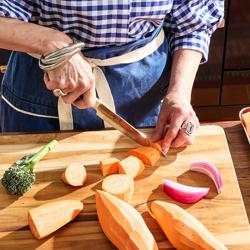
Teen cooking classes can turn familiar school subjects into experiences that make sense at the countertop. Measuring flour accurately shows why proportions matter; watching a sauce thicken makes a change in texture easy to understand. Recipes encourage careful reading, but cooking also asks participants to notice what is happening beyond the written directions. Dough may feel tacky rather than dry, onions may smell sweet as they soften, and a lightly browned edge may signal that it is time to check the oven. Depending on the class, teens might practice knife handling, mixing methods, seasoning, baking, or coordinating the steps of a meal. These are skills that develop through demonstration and repetition, so the value often lies as much in the process as in what ends up on the plate. An instructor can help explain the difference between stirring and folding, show how to create a stable cutting surface, or point out why adding everything to a pan at once can affect browning. Kitchen safety belongs alongside those techniques, including handwashing, safe handling of raw ingredients, and awareness around hot surfaces and sharp tools. The most suitable experience will match a teen’s age, comfort level, and interest rather than simply feature a dish that looks impressive. Class descriptions and participation requirements are important for understanding the intended age group, whether an adult must attend, how much hands-on work is involved, and what experience is expected. Dietary needs and food allergies also deserve attention before registration; a menu description alone does not establish whether a kitchen can accommodate a particular restriction. For a beginner, a focused class with an approachable sequence of tasks may feel more rewarding than a complicated menu. A teen who enjoys precision might gravitate toward baking, while someone who likes tasting and adjusting flavors may prefer savory cooking. Either way, the experience can help connect instruction with judgment: knowing not just which step comes next, but what to look, smell, and feel for along the way.
The social side of a culinary class comes from doing something together rather than being asked to make conversation on demand. Shared preparation can create small, practical opportunities to communicate: asking a partner to hold a bowl steady, comparing the thickness of rolled dough, or agreeing on who will tackle the next step. Those moments give teens a reason to listen, speak up, and notice another person’s contribution. For friends, the pleasure may be discovering that someone who rarely cooks has a knack for shaping or decorating. For a parent and teen attending an age-appropriate class together, it may be the chance to work side by side without the distractions and familiar roles of the home kitchen. Families exploring
Back to School Bonding Activities can consider cooking as a shared experience built around cooperation and a meal rather than competition. A class can suit a birthday celebration, a school-year milestone, or an outing chosen simply because a teen wants to spend time with someone they enjoy. It can also make a thoughtful experience gift when the recipient has expressed an interest in food, baking, or learning to cook more independently. Respecting that interest matters: teens are more likely to feel invested when they have a say in the kind of cooking they will explore. The benefits can continue in ordinary moments at home, whether that means preparing an after-school snack, helping with dinner, or taking charge of one part of a family meal. Repeating a technique in a familiar kitchen helps turn a single lesson into a useful habit. Not every attempt needs to look polished. A slightly uneven shape or a dish that needs more seasoning can become something to notice and adjust next time. For teens balancing schoolwork, friendships, and growing independence, cooking classes offer time to practice, contribute, and enjoy the results of their own effort in good company.