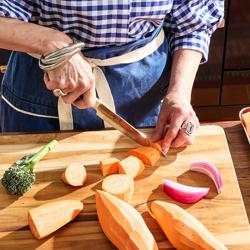
Back-to-school parent activities give adults a chance to meet other families, reconnect with friends, and make room for interests beyond the school calendar. Cooking classes bring those goals together through a shared experience: preparing food, learning useful techniques, and enjoying conversation along the way. For parents who spend much of the day coordinating drop-offs, homework, and after-school plans, time in a cooking class can feel different from another meeting or errand. There is something concrete to focus on, whether that means shaping dough, chopping vegetables into even pieces, or watching a sauce come together. That shared focus also makes introductions feel more natural. Parents who have only exchanged a wave at pickup can talk while working through a recipe instead of having to fill a room with small talk. A cooking class can be a setting for a parent-group outing, a catch-up with a friend, or time together for partners whose conversations have become mostly about schedules. Attending alone can be just as rewarding, especially for someone who wants to learn without having to organize a group. Beginners may appreciate the opportunity to ask basic questions and see a technique demonstrated, while more experienced home cooks can enjoy practicing something outside their usual rotation. The connection to school life does not need to be a classroom theme or an icebreaker game. A common task gives people a reason to collaborate, compare observations, and celebrate small successes, like a neatly folded dumpling or a well-browned piece of chicken. Unlike a school information night, where the focus is on policies and expectations, a cooking experience puts the adults’ enjoyment and learning at the center. It offers space to be a beginner, try something unfamiliar, and have a conversation that goes beyond the next carpool arrangement. That balance of social connection and practical learning makes cooking classes a natural fit for back-to-school activities for parents, with value that can carry into the cooler months as school routines settle in.
The learning in a cooking class can also connect directly to the everyday realities of feeding a household. School nights often leave a narrow window between arriving home and sitting down to eat, and confidence with a few foundational techniques can make that window less stressful. Depending on the menu and class focus, parents might practice knife skills, learn how heat affects browning, work on seasoning, or explore the timing needed to bring several parts of a meal together. Those lessons are useful beyond a single recipe. Understanding why vegetables need space in a pan helps explain the difference between a roasted edge and a soft, steamed texture. Learning to recognize a gentle simmer can help a cook handle a soup or sauce with more control. Seeing how an instructor organizes ingredients before cooking can make the sequence of a meal easier to understand, especially when several steps happen close together. These details matter when a hungry child is asking about dinner and the evening still includes reading practice or a late pickup. A class does not have to center on quick meals to offer practical takeaways, either. A slower baking session might build confidence with measuring and dough texture, while a class centered on an unfamiliar cuisine can introduce a different approach to balancing acidity, richness, heat, and crunch. For households with varied tastes, learning how individual components contribute to a dish may make it easier to understand where personal preferences can fit. Parents interested in a stronger connection between cooking and household routines can also explore
Back to School Preparation Activities for related cooking experiences. The appeal is not a promise that every dinner will become effortless. It is the chance to build judgment through practice: knowing what to look for, what to listen for, and when a dish needs another minute. That kind of familiarity can make everyday cooking feel more manageable and leave room for a little more enjoyment at the stove.
Choosing a cooking class for a parent activity is as much about the kind of time someone wants to have as it is about the food. A technique-focused session may appeal to a parent who enjoys understanding the reasons behind each step, while a baking class may suit someone who finds pleasure in working carefully with their hands. A menu outside the usual dinner rotation can make an outing feel like a genuine break from routine rather than an extension of household chores. For a group of parents getting to know one another, an approachable menu and a clear description of the class format can help set comfortable expectations. For close friends or partners, the pleasure may come from sharing a new experience without having to plan, prepare, and manage an entire meal at home. Class details matter here: intended age group, expected experience level, session length, and whether the format involves hands-on participation or observation all shape the experience. An adult-focused outing is different from a family class, where children participate and the pace and instruction may reflect their needs. Dietary restrictions and food allergies also deserve attention before registration; the menu alone cannot establish whether a class setting can accommodate a particular need. A good fit leaves participants free to focus on the experience rather than worry about a mismatch. Across early fall and the cooler months, these outings can provide a welcome point of connection after the initial rush of school preparations has passed. They can mark a friend’s birthday, create an occasion for a parent-group get-together, or simply reserve an evening for something enjoyable. The lasting benefit may be a cooking technique that gets used repeatedly, a flavor combination worth revisiting, or a friendship that develops beyond the school gates. Not every parent activity needs to result in a more organized household. Sometimes the most worthwhile part is paying attention to the scent of toasted spices, learning something new alongside another adult, and leaving with a satisfying experience that belongs to the parent, not the school schedule.