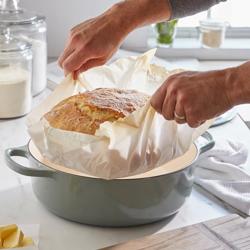
Bread baking classes focused on mastering dough give home bakers a practical foundation for making loaves with better texture, flavor, and consistency. Rather than relying on a recipe alone, these classes explain how flour, water, yeast, salt, and time work together, then show how small changes affect the dough in your hands. Many lessons begin with lean doughs, which are made without added fat and offer a clear way to understand gluten development, hydration, fermentation, and oven spring. You may learn how to read the feel of dough as it moves from shaggy and sticky to smooth, elastic, and strong enough to hold its shape. Mixing and kneading practice can help you recognize when the dough needs more development, while stretch-and-fold techniques build strength gently during bulk fermentation. Classes often cover how room temperature, water temperature, flour choice, and the amount of yeast can change the pace of fermentation, giving you the confidence to adjust instead of guessing. You can also expect guidance on proofing, including how to tell when dough has risen enough to bake without collapsing. During the cooler months, the steady rhythm of mixing dough, watching it rise, and filling the kitchen with the aroma of a fresh loaf can make baking feel especially rewarding, but the skills remain useful throughout the year. Whether you are making your first rustic loaf or refining an established routine, an instructional class can turn confusing steps into familiar habits.
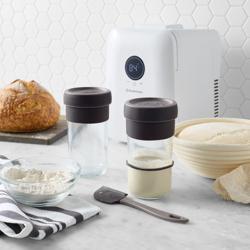
When choosing materials to support a bread baking class, consider how they will fit your kitchen, schedule, and preferred style of learning. A baker who enjoys hands-on practice may benefit from sturdy, easy-to-clean essentials that make mixing, resting, dividing, and shaping more comfortable, while someone with limited counter space may prefer compact tools that serve more than one purpose. Clear measuring options, a dependable way to monitor dough temperature, and surfaces that make sticky dough easier to handle can all help remove distractions from the process. If you are exploring naturally leavened baking, look for guidance and equipment that support long fermentation, regular feeding, and careful observation. For yeasted loaves, consider materials that make it simple to mix, knead, proof, and transfer dough without rushing. Online classes can be a convenient choice for bakers who want to pause, replay, and practice at their own pace; in-person instruction offers immediate feedback on dough texture, shaping pressure, and technique. The best fit depends less on having an elaborate setup and more on choosing resources that encourage repetition. Bread improves through feel as much as measurement, and a helpful class can show you what “ready” looks and feels like at each stage. These essentials can also make thoughtful gifts for a new baker, a curious home cook, or an experienced bread maker who wants to expand into different dough styles. Pairing a class with practical baking materials creates an inviting starting point for someone who has always wanted to bake bread but has felt unsure about yeast, timing, or shaping.
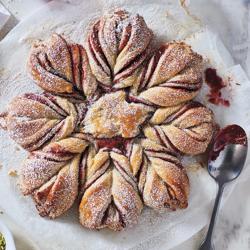
Shaping is where a well-developed dough begins to become a finished loaf. In a bread baking class, you may practice dividing dough evenly, creating a gentle pre-shape, allowing it to rest, and then building surface tension during the final shape. That tension helps the loaf hold its form and can contribute to a more open crumb and better oven spring. You may also learn how to work with round loaves, oval loaves, rolls, and other forms while keeping the dough’s gas bubbles intact. A light touch matters: pressing too firmly can flatten the dough, while insufficient tension can leave it spreading during proofing. Scoring is another important step, since the cuts guide expansion in the oven and give the finished loaf its distinctive appearance. Classes may demonstrate how the angle, depth, and pattern of a score influence the way bread opens as it bakes. For more guidance, explore
Bread Baking Classes For Learning Shaping Techniques. As you practice, keep notes about flour, hydration, room temperature, fermentation time, and shaping methods; these details make it easier to repeat a successful bake and troubleshoot the next one. A few uneven loaves are part of learning, and each bake provides useful information. With patient instruction and the right supporting materials, bread baking becomes less about following rigid rules and more about understanding the dough well enough to respond to it. That confidence is what helps a first loaf lead naturally to the next.