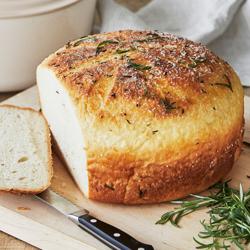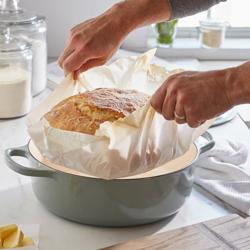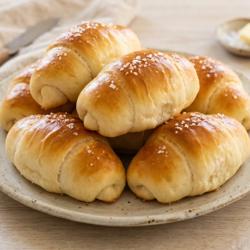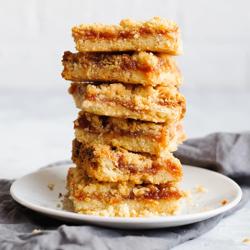
Bread baking classes with creative recipes are a welcoming way to move beyond everyday loaves and learn how a few thoughtful changes can transform a familiar dough. These classes may explore artisan breads with crisp, deeply browned crusts, soft enriched doughs, chewy flatbreads, laminated pastries, filled rolls, or naturally leavened recipes built around a sourdough starter. Look for instruction that covers both the recipe and the reasoning behind it: how flour choice affects structure, why hydration changes the crumb, when to knead or fold, and how fermentation develops flavor. A strong class should make the process feel manageable while still leaving room for discovery, whether that means working with whole grains, ancient grains, seeds, roasted vegetables, herbs, cheese, dried fruit, spices, or other seasonal ingredients. Creative baking is not about adding ingredients at random; it is about understanding how each addition affects moisture, gluten development, shaping, and baking time. A loaf with olives and herbs needs different handling from a tender cinnamon-filled dough, while a seeded whole-grain bread may need extra hydration to stay supple. Learning these small distinctions helps bakers approach new recipes with confidence instead of relying on guesswork.
When choosing among bread baking classes, consider the format that best fits the way you learn. Online and on-demand classes can be useful for busy schedules, allowing you to pause during a kneading demonstration, replay a shaping technique, or return to a lesson while dough rests. In-person classes offer the helpful rhythm of a shared worktable, where an instructor can show how properly developed dough feels beneath the fingertips and offer guidance on shaping, scoring, proofing, and baking. Hands-on sessions may be especially valuable for first-time bakers, since dough rarely looks exactly like a photograph at every stage. Private or small-group classes can provide a more focused experience for families, friends, or team gatherings, while a larger class may bring a lively sense of community and the chance to compare results. Before enrolling, check the class level, length, recipe style, ingredient list, equipment needs, and whether the session includes preparation in advance. Some lessons begin with a starter or preferment that must be prepared ahead, while others are designed to take you from mixing bowl to finished bake in a single sitting. It is also helpful to consider whether the recipes suit your kitchen and routine. A class that teaches a versatile base dough can continue paying off long after the lesson, becoming pizza one day, flatbread the next, and a pan of savory rolls when friends gather. For a thoughtful gift, a bread baking class offers more than a one-time activity: it gives the recipient practical skills, memorable flavors, and the pleasure of making something by hand. It can be a warm choice for a curious home cook, an experienced baker looking for fresh ideas, or someone who enjoys entertaining during the cooler months.
Creative bread classes often become most useful when they show how one technique can lead to several recipes. A lesson on sourdough, for example, may cover starter maintenance, fermentation timing, and shaping a classic loaf, then demonstrate how extra starter can be turned into crackers, pizza crust, pancakes, or tender sweet dough. Instruction on hydration can explain the difference between a close, even crumb and the irregular holes associated with many rustic loaves, along with practical ways to handle sticky dough without adding too much flour. Lessons focused on enriched doughs may explore the role of eggs, butter, milk, and sugar in creating soft, fragrant breads such as filled rolls, braided loaves, or festive swirls. For bakers who enjoy trying new flavors, grain-focused classes can offer ideas for combining rye, corn, oat, spelt, or other flours with seeds and aromatic toppings while keeping the finished bread balanced. Those looking for dessert-style baking can also explore
Bread Baking Classes With Sweet Breads for techniques that bring together tender crumb, rich fillings, and careful shaping. During the cooler months, there is something particularly satisfying about setting a warm loaf on the counter, hearing its crust crackle as it cools, and slicing into bread made with patience rather than haste. The most rewarding classes make that experience repeatable, giving bakers clear signals to watch for, reliable methods to practice, and creative recipes that can be adapted to the people and occasions around their table.