-
(105)
Didn't love being in a group of four working on one meal....The fresh, homemade butter was the best! So fun!...Great experience! I'll be back!...Elise was a great teacher!...Great chef, too many cooks
Pros: fun, class quality, educational
-
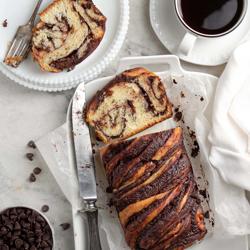
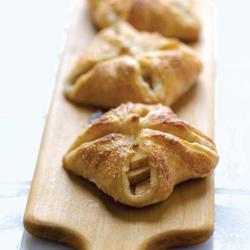
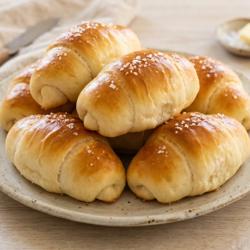
Cooking Class Description: Great bread tells a story, and in this 3-hour class you'll bake 3 delicious breads from around the world. You'll shape buttery Korean salt bread into its signature rolls, tear warm flatbread alongside a fragrant dukkah spice...
-
Cooking Class Description: For more information on Private Events, or to schedule your own, please contact your local Sur La Table store, or visit our Private Events page.
What To Expect: In our classes you'll work together with other students (in groups... -
Cooking Class Description: For more information on Private Events, or to schedule your own, please contact your local Sur La Table store, or visit our Private Events page.
What To Expect: In our classes you'll work together with other students (in groups... -
Cooking Class Description: For more information on Private Events, or to schedule your own, please contact your local Sur La Table store, or visit our Private Events page.
What To Expect: In our classes you'll work together with other students (in groups... -
Cooking Class Description: Baking can be a delicious way to unleash your creativity, and this class is the perfect place to start. Your chef instructor will walk you through essential skills, from measuring with precision to crafting the perfect batter,...
Bread Baking Classes With Group Activities
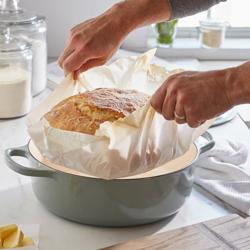
Bread baking classes with group activities offer a hands-on way to connect, learn, and create something delicious together. Whether you’re a first-time baker or looking to refine your skills, these interactive sessions invite everyone to roll up their sleeves and discover the art of bread making in a fun, supportive environment. Sharing the experience with others adds an extra layer of enjoyment, making each loaf and lesson even more memorable.

Bread Baking Classes With Group Activities



-
"Excellent class with great baking advice! I look forward to my next class"
-
"Didn't love being in a group of four working on one meal"
-
"Great tasting"
-
"Didn't love being in a group of four working on one meal"
-
"great just so great I love this place"