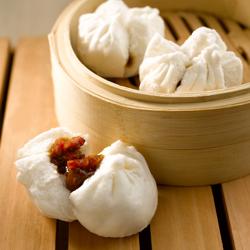
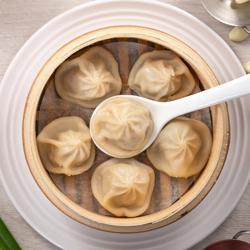
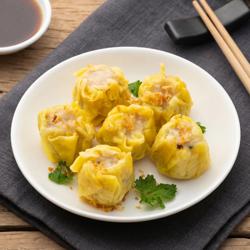
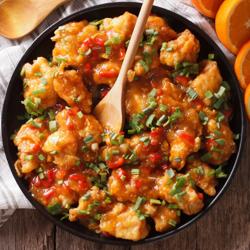
Chinese cooking classes for adults offer a welcoming way to build practical kitchen skills while exploring the history, ingredients, and regional variety of one of the world’s most richly developed culinary traditions. The recommended classes on this page may be a good fit for beginners learning to cook independently, experienced home cooks looking to expand their repertoire, or anyone who enjoys the energy of preparing a meal alongside other curious cooks. Depending on the format, a class may focus on foundational dishes, dumpling making, stir-frying, noodle techniques, dim sum, regional specialties, or the essentials of wok cooking. Hands-on instruction can make techniques feel far more approachable than reading about them alone. You may learn how to organize ingredients before turning on the heat, control a wok without overcrowding it, fold dumplings so they hold their filling, or build a sauce that balances savory, sweet, tangy, spicy, and aromatic notes. Many classes also explain the role of ingredients such as soy sauce, rice vinegar, sesame oil, ginger, garlic, scallions, dried chiles, fermented bean pastes, and toasted spices, giving you a better sense of how small adjustments shape the finished dish. As the weather turns cooler, a Chinese cooking class can be an especially enjoyable way to spend time indoors, filling the kitchen with the fragrance of sizzling aromatics and creating a meal that is meant to be shared.
When comparing Chinese cooking classes for adults, consider the type of experience that best matches your schedule, comfort level, and learning style. In-person classes are a natural choice for cooks who value real-time guidance and the chance to work at a cooking station with other participants. These sessions may provide ingredients, equipment, chef instruction, and an opportunity to enjoy the finished meal together, although details vary by class. A smaller group can make it easier to receive individual feedback on knife work, dough texture, pleating, or heat management, while a larger class can bring a lively, social atmosphere. Virtual interactive classes offer a flexible alternative for people who prefer to cook from home, and they may be useful when distance, mobility, or a busy routine makes travel difficult. Some online options are scheduled and instructor-led, while others use recorded lessons that can be revisited at a convenient pace. Before choosing, review the class description for its menu, skill level, duration, ingredient list, equipment requirements, and whether preparation begins before the session. Wok cooking often moves quickly, so having vegetables chopped, sauces measured, and dough rested in advance can make the experience more relaxed. For cooks who do not yet own specialty equipment, classes that demonstrate adaptable methods with familiar cookware can be particularly helpful. It is also worth considering the regional focus. Cantonese, Sichuan, Shanghainese, Northern Chinese, and other culinary traditions use different ingredients, textures, seasoning profiles, and cooking methods, so a class centered on one region can offer a more focused introduction than a broad survey. Those interested in exploring beyond Chinese cuisine may also enjoy
Asian Cooking Classes For Adults for a wider look at related flavors and techniques.
A Chinese cooking class can make a thoughtful gift for a friend who loves trying new restaurants, a relative settling into a new kitchen, a couple who enjoys shared activities, or a seasoned home cook who appreciates learning from an instructor. It is also a useful choice for adults who want an experience rather than another item to store, especially during the cooler months when gathering around a warm meal feels inviting. When giving a class as a gift, consider the recipient’s location, preferred schedule, dietary needs, and cooking background. A dumpling-focused session may appeal to someone who enjoys hands-on projects and entertaining, while a wok fundamentals class can help a new cook gain confidence with high-heat cooking. Classes that cover adaptable fillings, vegetable preparation, or sauce building may be a better fit for households with vegetarian preferences or varied diets; participants should always review the class information and contact the instructor about allergies or restrictions. The skills learned can continue well beyond the class itself. A cook who understands how to velvet meat, layer aromatics, manage moisture, and balance a sauce can apply those ideas to weeknight meals, while someone who learns to fold dumplings can prepare a batch for the freezer and invite friends to help with future fillings. The most rewarding classes leave you with more than a single recipe: they offer a clearer understanding of timing, texture, seasoning, and the generous spirit of Chinese cooking. Afterward, recreating the meal at home can become a comfortable ritual, whether you are preparing a quick stir-fry for one, setting out handmade dumplings for guests, or gathering around a steaming bowl of noodles on a chilly evening.